What is dFund (DFND) crypto coin? Explained with real features and current data
 Feb, 13 2026
dFund (DFND) isn't just another crypto coin. It's a full DeFi platform built around decentralized fund management, peer-to-peer lending, and community-driven governance. If you're wondering what makes DFND different from tokens like Ethereum or Solana, the answer lies in what it actually does - not just how much it's worth.
What dFund actually does
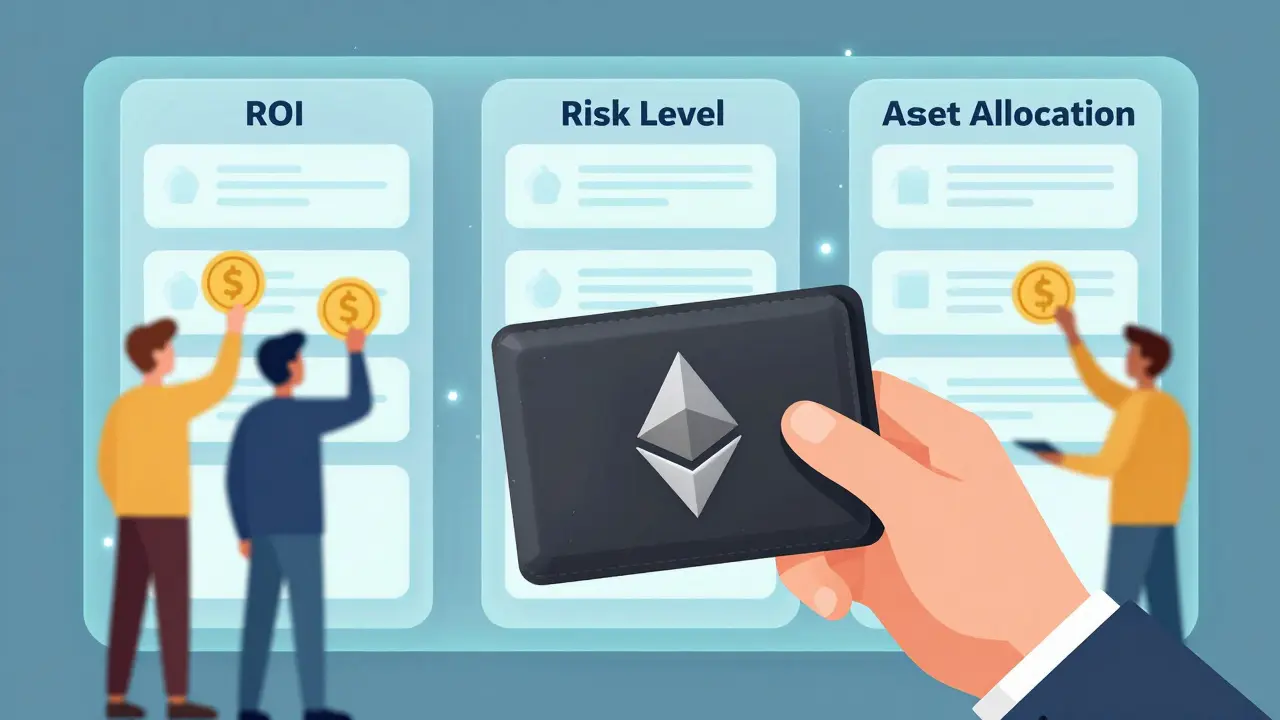
Most crypto projects promise big things. dFund delivers them. At its core, dFund lets anyone create and manage their own decentralized hedge fund. No background in finance? No problem. You don’t need to be a Wall Street trader. All you need is an Ethereum wallet and a clear strategy. Users can invest in funds made by others, and every fund’s performance - including ROI, risk level, and asset allocation - is publicly visible on the blockchain. That means no hidden fees, no shady managers, and no surprises.The platform also includes direct peer-to-peer lending. You can set your own loan terms: how much to lend, the interest rate, how long the loan lasts, and what kind of collateral you require. What’s unique? You can offer both under-collateralized and over-collateralized loans. That’s rare in DeFi. Most platforms demand collateral worth 150% or more of the loan. dFund lets lenders decide based on borrower creditworthiness.
How credit scoring works on dFund
This is where dFund breaks from the pack. Every borrower gets a dynamic credit score. It’s not a one-time check. It updates in real time based on repayment behavior. Pay back loans on time? Your score goes up. Miss payments? It drops. Lenders can set minimum credit score requirements before approving a loan. A high score might mean lower interest rates or less collateral. A low score? Higher rates or stricter terms. It’s like a FICO score, but fully on-chain, transparent, and owned by the user.The secondary loan marketplace
Imagine you lent out $1,000 at 10% interest for 6 months. Three months in, you need cash. Instead of waiting, you can sell your loan on dFund’s secondary marketplace. Someone else buys it for $950. They pay you upfront. You walk away with $950. They take over the loan. When the borrower repays the full $1,100 (principal + 10% interest), the buyer pockets $150 profit - $1,100 minus the $950 they paid. You got your liquidity. They got a return. Everyone wins. This feature adds real liquidity to the lending market and turns static loans into tradeable assets.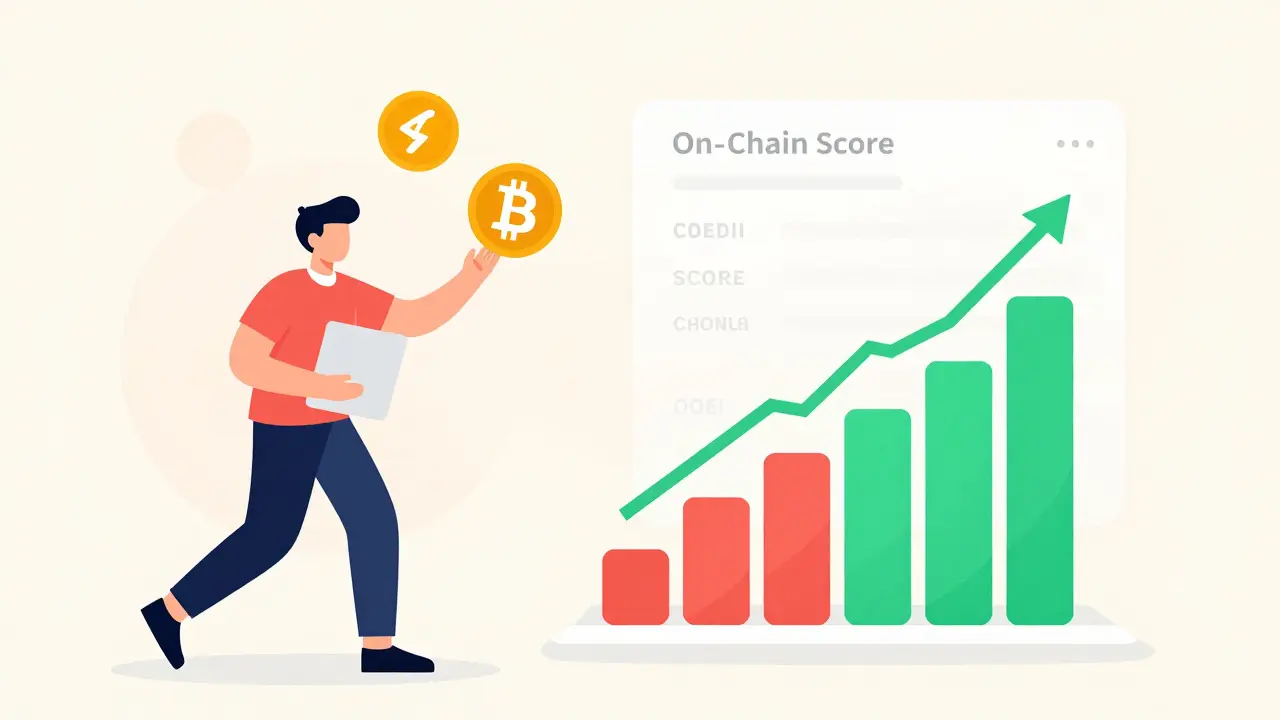
DFND token: more than just currency
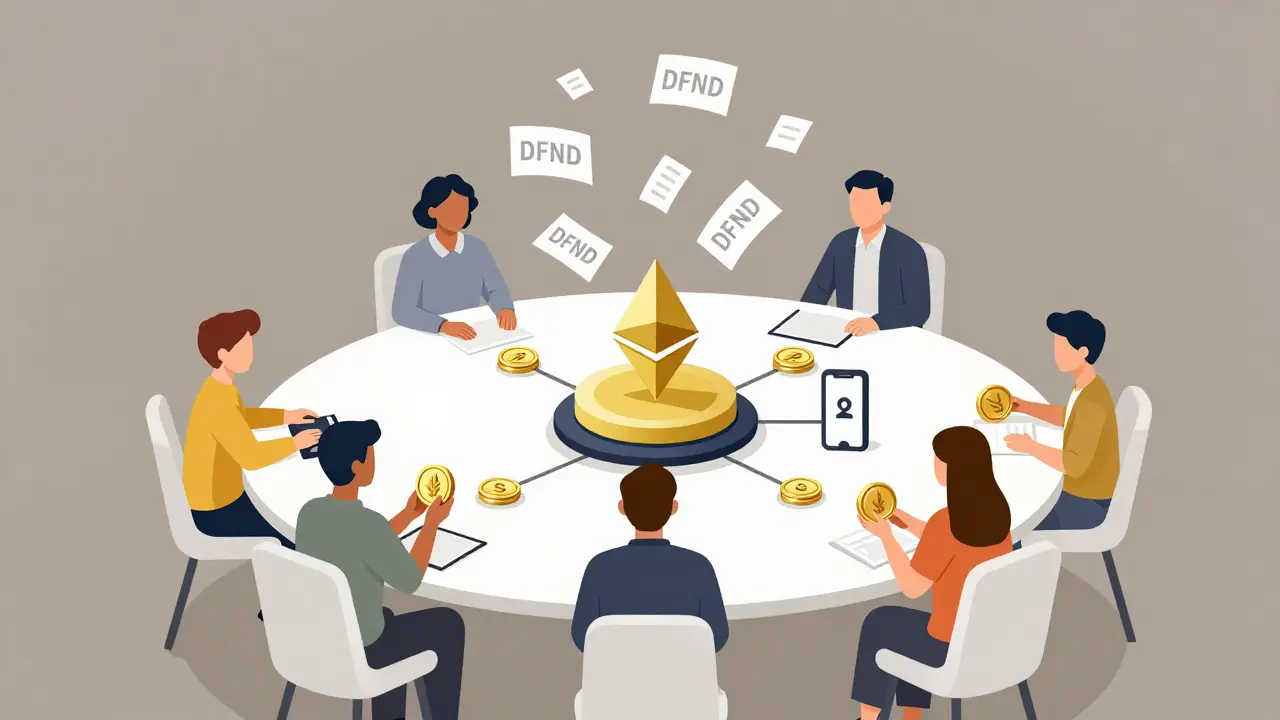
The DFND token isn’t just a way to pay fees. It’s the backbone of governance. Holders vote on everything: new fund types, changes to lending rules, fee structures, even which DeFi protocols dFund integrates with next. Think of it like being a shareholder in a company - but without a board of directors. Every decision is made by the community. The more DFND you hold, the more voting power you have. There’s no central team making unilateral calls.DFND is an ERC-20 token built on Ethereum. That means it works with any wallet that supports Ethereum, like MetaMask or Trust Wallet. It’s not locked to one exchange. You can trade it on Binance, Bybit, CoinGecko-listed markets, and others - though liquidity varies.
Current price and market data (as of February 13, 2026)
Prices for DFND vary wildly across exchanges - a sign of low liquidity and fragmented trading. Here’s what the data shows:- CoinPaprika: $0.000115 USD
- CoinGecko: $0.000159 USD
- CoinMarketCap: $0.00002065 USD
- Binance: $0.000021 USD
- Bybit: $0.00006648 USD
Over the last 24 hours, DFND rose 4.8% on CoinGecko. Over seven days, it’s up 5.5%. That’s better than the overall crypto market, which was down 0.6%. But it’s still lagging behind other Ethereum-based DeFi projects, which averaged +12.7% in the same period.
The circulating supply is around 330 million to 332.4 million DFND tokens. The maximum supply is capped at 1 billion. That means there’s still room for more tokens to enter circulation - depending on the emission schedule. Market cap numbers differ too:
- CoinGecko: $111,325
- Etherscan: $94,299
DFND is ranked #6888 on CoinGecko and #2014 on CoinPaprika. These rankings aren’t high, but they reflect the platform’s niche focus. It’s not chasing meme coin hype. It’s building infrastructure.
Why dFund matters
Traditional finance locks out most people. Hedge funds require $1 million minimums. Private lending is opaque. Credit checks are controlled by banks. dFund flips all that. It turns investment into something open, permissionless, and automated. Smart contracts handle payouts. No human can interfere. No one can freeze your funds. No middleman takes a cut. Everything is public. You can audit every fund, every loan, every vote.It’s not perfect. Low liquidity means price swings. Small market cap means it’s easy to manipulate. But the underlying system? It’s one of the most thoughtful DeFi designs in years. It solves real problems: access, control, transparency, and flexibility.
Who is dFund for?
If you’re someone who:- Wants to earn yield without relying on unstable staking or farming
- Has a strategy for investing in crypto and wants to share it
- Wants to lend crypto and get paid fairly, with real credit data
- Believes in community control over financial systems
…then dFund isn’t just a coin. It’s a tool.
What’s next for dFund?
The roadmap includes deeper integration with Layer 2 networks like Arbitrum and Polygon to reduce gas fees. There are plans to add multi-chain support for lending and fund creation. A mobile app is in development to make fund creation and investing as easy as sending a text. And they’re working with credit agencies outside crypto to bring real-world data into the on-chain scoring system.It’s not a get-rich-quick token. It’s a long-term infrastructure play. If DeFi is going to replace traditional finance, platforms like dFund are the blueprint.
Is dFund (DFND) a good investment?
There’s no simple yes or no. DFND is a low-cap token with thin liquidity, so it’s risky. Price can swing sharply on small trades. But if you believe in decentralized fund management and community governance, it’s one of the few projects actually building useful DeFi infrastructure. Don’t buy it hoping for a quick pump. Buy it if you want to use the platform - create funds, lend, vote, or trade loans. The value comes from usage, not speculation.
Can I create my own fund on dFund for free?
Yes. Anyone with an Ethereum wallet can create a decentralized fund. There’s a small transaction fee (gas) to deploy the smart contract, but no platform fee. Once your fund is live, you can invite others to invest. Your fund’s performance is ranked publicly. Top-performing funds attract more capital. It’s a merit-based system - no gatekeepers.
How does the credit score system prevent fraud?
It doesn’t prevent fraud - it makes it costly. If you default on a loan, your credit score drops permanently. That affects your ability to borrow in the future. You can’t just create a new wallet and start over. Your history follows you. Lenders can also set rules like requiring collateral from low-score users. The system relies on reputation, not enforcement. That’s why it works - people protect their scores because they matter.
Where can I buy DFND tokens?
DFND is listed on Binance, Bybit, and a few smaller exchanges. Always check CoinGecko or CoinPaprika for the most current list. Avoid buying from unverified platforms. Since liquidity is low, use limit orders instead of market orders to avoid slippage. Always store DFND in a wallet you control - never leave it on an exchange.
Is dFund safe from hacks?
The platform uses audited smart contracts. All fund creation, lending, and trading is automated - no human touches the money. That eliminates internal fraud. But no system is 100% hack-proof. Always do your own research. Check if the contracts have been audited by reputable firms like CertiK or SlowMist. Never invest more than you can afford to lose.
Kaz Selbie
February 13, 2026 AT 12:46Robbi Hess
February 14, 2026 AT 11:38Keturah Hudson
February 15, 2026 AT 13:57Ace Crystal
February 16, 2026 AT 02:19Brittany Meadows
February 17, 2026 AT 11:26SAKTHIVEL A
February 18, 2026 AT 22:33krista muzer
February 19, 2026 AT 11:11Lindsey Elliott
February 19, 2026 AT 21:09