What is Functionland (FULA)? A Deep Dive into the Token and Risks
 Jun, 19 2026
You’ve probably seen the ticker FULA pop up on a chart or heard whispers about “owning your data” in the crypto space. But what exactly is Functionland? Is it the next big thing in decentralized AI, or just another low-cap token with a flashy promise?
Here’s the short answer: Functionland (FULA) is a cryptocurrency token powering a network that lets users rent out their unused device storage and computing power. The goal is to create a cheaper, user-owned alternative to centralized cloud giants like Google or Amazon. However, if you are looking at this token today, June 2026, you need to understand that it is a high-risk, micro-cap asset with significant data inconsistencies across tracking platforms.
The Core Idea: Your Device as a Data Center
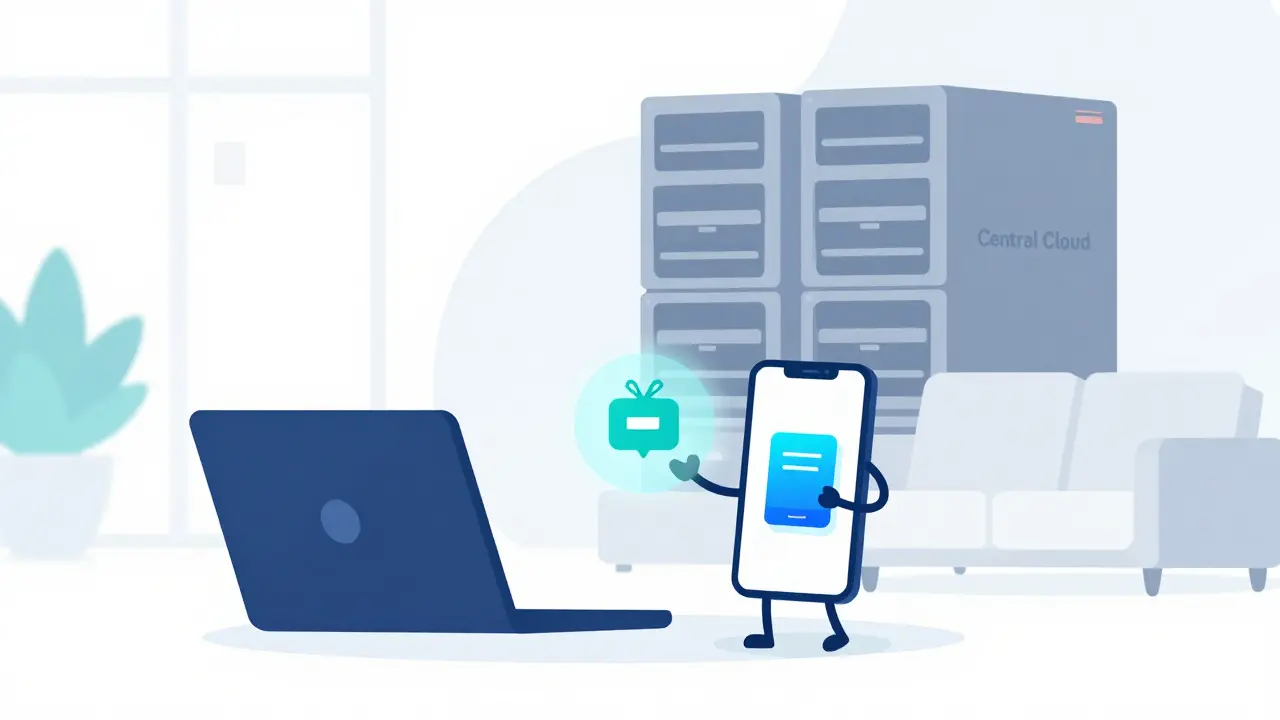
At its heart, Functionland tries to solve a specific problem: centralized servers are expensive, and they own your data. Functionland’s flagship platform, called Fula, flips this model. It turns your personal devices-laptops, phones, or dedicated hard drives-into nodes in a distributed network.
Think of it like Airbnb, but for hard drive space and GPU processing power. Instead of paying a tech giant for storage, you pay other users who have spare capacity. In return, those users earn FULA tokens. This concept is often branded under hashtags like #Store2Earn and #CrowdStorage.
The project claims this approach can cut storage costs by up to 60% compared to traditional centralized options. They also position themselves as an AI infrastructure play, suggesting that the network will eventually handle heavy AI compute workloads, not just file storage. Their main consumer-facing app, FxFiles, is designed to let regular people use this network without needing deep technical knowledge of Web3.
Tokenomics and Supply: What Do You Actually Own?
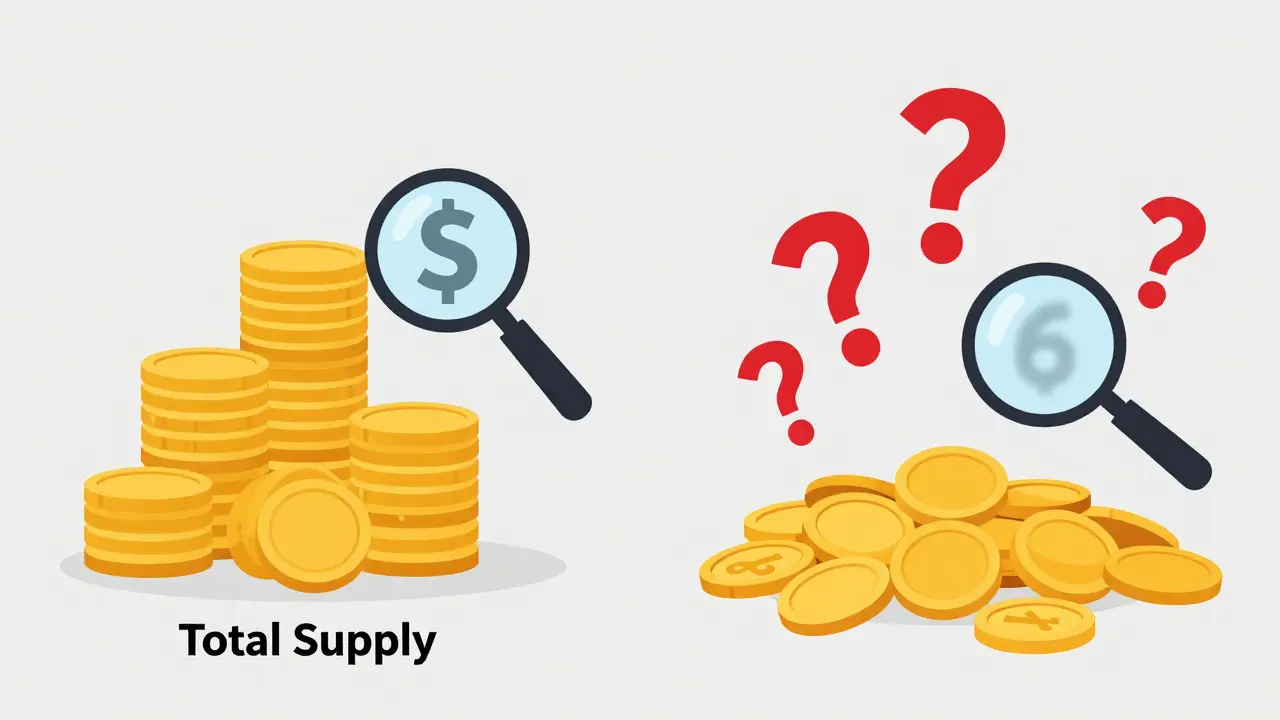
Before buying any token, you need to know how many exist and how many are circulating. With FULA, the numbers get messy, which is a major red flag for investors.
| Metric | Value / Status | Notes |
|---|---|---|
| Total Supply | 2,000,000,000 FULA | Fixed maximum supply |
| Circulating Supply | Conflicting Data | Ranges from ~54M to ~386M depending on source |
| Market Cap | Micro-Cap (~€13k - $7.4M) | Highly volatile; varies wildly by tracker |
| All-Time High | ~€0.1927 | Reached in October 2025 |
| Current Price Range | $0.00016 - $0.0045 | Extremely thin liquidity causes wide spreads |
The total supply is fixed at 2 billion FULA. The problem lies in the circulating supply. Some trackers like CoinMarketCap report only about 54 million tokens in circulation (roughly 2.7% of the total). Others, like Coinbase’s data feed, suggest closer to 386 million are circulating (about 19%). This discrepancy matters because it affects the Fully Diluted Valuation (FDV) and how much inflationary pressure exists when more tokens unlock.
If you buy FULA, you are betting on a token where less than 20% of the supply might be actively traded. That means large unlocks from early investors or the team could dump massive amounts of tokens onto the market, crushing the price.
Where Does FULA Live? The Technical Stack
FULA is not a standalone blockchain. It is an ERC-20 compatible token, meaning it lives on top of another chain. Currently, the primary trading venue for FULA is Uniswap V3 on the Base network.
Base is an Ethereum Layer-2 rollup developed by Coinbase. Using Base makes sense for Functionland because it offers low transaction fees and fast speeds, which is crucial for a storage network that might need to process many small payments. The contract address for the active token is 0x9e12735d77c72c5C3670636D428f2F3815d8A4cB.
Because it’s on Base/Ethereum, FULA inherits the security of the Ethereum network. You don’t need to worry about the Fula network itself being hacked at the consensus level. However, the smart contracts governing the FULA token and the FxFiles application still carry their own risks. Always verify the contract address before connecting your wallet.
The Red Flags: Why Data Trackers Disagree
If you look at different crypto sites, you will see conflicting information. This is normal for blue-chip coins like Bitcoin, but for a micro-cap like FULA, it’s dangerous.
- Coinlore: Has flagged FULA as “inactive” since July 2025, showing no recent price updates despite other sites listing it live.
- LiveCoinWatch: Shows a price around $0.0045 but reports a 24-hour trading volume of just $48. That is almost no liquidity. One person selling $100 worth of FULA could crash the price by 50%.
- CoinMarketCap & Crypto.com: Show live prices around €0.00024, with slightly higher volumes but still classified as extremely low-cap assets.
This fragmentation suggests that liquidity is spread across very few pools, or that some exchanges have delisted the token while others haven’t updated their feeds. For a trader, this means high slippage. If you try to sell a decent amount of FULA, you might not get the price you see on the screen because there aren’t enough buyers waiting in the pool.
Development Activity: Is the Team Still Working?
A dead project usually has a dead GitHub. Functionland’s GitHub organization lists 115 repositories. This suggests ongoing engineering work, likely covering the protocol layer, the FxFiles client, and node software. The tagline “Moving Web3/Blockchain into the Mainstream” indicates they are trying to build user-friendly interfaces rather than just raw backend code.
On social media, their official X account (@functionland) has around 50,000 followers and posts regularly. This shows marketing effort is still happening. However, follower count doesn’t equal adoption. We don’t have public data on how many actual TBs of storage are on the network or how many active nodes are earning rewards.
How to Buy FULA (And Stay Safe)
If you decide to proceed despite the risks, here is how you typically acquire FULA:
- Get a Wallet: You need a wallet that supports the Base network. MetaMask or Coinbase Wallet are standard choices.
- Add ETH on Base: Since FULA trades on Base, you need ETH (or USDC) on the Base network to swap for FULA. You can bridge funds from Ethereum mainnet or withdraw directly from Coinbase if they support Base withdrawals.
- Use a DEX: Go to Uniswap V3 (configured for Base) or another supported DEX. Paste the FULA contract address to ensure you’re getting the right token.
- Swap: Set your slippage tolerance appropriately. Due to low liquidity, you may need to set slippage higher than the standard 0.5%, but be aware this increases the risk of bad fills.
Note: FULA is not widely available on major Centralized Exchanges (CEXs) for direct fiat purchase. Most access comes through decentralized swaps.
Conclusion: High Risk, High Ambition
Functionland’s vision of a user-owned data ecosystem is compelling. The idea of monetizing idle hardware for AI and storage aligns with broader trends in decentralized physical infrastructure networks (DePIN). However, the current reality of the FULA token is precarious.
It is a micro-cap asset with inconsistent data reporting, thin liquidity, and a history of price volatility. The drop from its all-time high of €0.19 to fractions of a cent highlights the speculative nature of the token. Only invest money you can afford to lose entirely, and always do your own verification of the contract addresses and current liquidity conditions before transacting.
Is Functionland (FULA) a scam?
There is no definitive proof that Functionland is a scam, as they have active development on GitHub, a functional app (FxFiles), and a public token on the Base network. However, the extreme volatility, low liquidity, and conflicting data across trackers make it a very high-risk investment. Always treat such projects with caution.
Which blockchain is FULA on?
The actively traded FULA token is deployed on the Base network, which is an Ethereum Layer-2 solution. It uses the ERC-20 token standard, making it compatible with most Ethereum wallets like MetaMask.
Can I mine FULA tokens?
No, FULA is not mineable. It is a non-proof-of-work token. Users earn FULA by providing storage or compute resources to the network (the "Store2Earn" model) or by purchasing it on exchanges.
Why does the price of FULA vary so much between websites?
The price variance is due to low liquidity and fragmented trading venues. Because FULA trades primarily on decentralized exchanges with small pools, a single trade can significantly impact the price. Different aggregators pull data from different pools or may have outdated indexes, leading to discrepancies.
What is FxFiles?
FxFiles is Functionland’s flagship consumer application. It allows users to store photos, documents, and other data on the decentralized Fula network. The app is designed to be user-friendly, requiring no prior Web3 knowledge to operate.
Is it safe to store sensitive data on Fula?
While Functionland emphasizes data sovereignty and encryption, the network is relatively new and smaller than established providers. For highly sensitive data, it is advisable to use end-to-end encryption before uploading files to any decentralized storage network, including Fula.