What Is LEO Crypto? A Complete Guide to the UNUS SED LEO Token
 Jun, 29 2026
You’ve probably seen LEO sitting comfortably in the top 50 cryptocurrencies by market cap, but you might be wondering why. It doesn’t have the hype of meme coins, nor does it promise decentralized utopia like some newer projects. Instead, UNUS SED LEO is a utility token created by iFinex Inc., the parent company of cryptocurrency exchange Bitfinex. It was launched on May 21, 2019, with a very specific purpose: to help Bitfinex recover from financial losses and to provide tangible benefits to its users.
If you are an active trader on Bitfinex, holding LEO can save you real money. If you are just curious about the crypto space, understanding LEO gives you insight into how centralized exchanges try to retain users through tokenomics. Let’s break down what this token actually does, how its unique dual-chain structure works, and whether it makes sense for your portfolio.
The Origin Story: Why Does LEO Exist?
To understand LEO, you have to look at Bitfinex’s history. In 2016, the exchange suffered a massive hack resulting in an $850 million loss. Later, US regulators seized funds related to that incident. To cover these deficits and ensure the platform remained solvent, iFinex decided to issue a utility token.
This wasn’t just a fundraising stunt. The goal was twofold: first, to raise capital to pay off debts, and second, to create a sustainable model where user activity directly supported the exchange’s stability. By offering fee discounts and other perks, they incentivized traders to hold the token rather than sell it immediately. This created a steady demand floor that many other exchange tokens struggle to maintain.
How the LEO Token Works: Utility and Benefits
Unlike Bitcoin, which you hold as a store of value, or Ethereum, which powers smart contracts, LEO is designed for use within the Bitfinex ecosystem. Its primary value proposition comes from cost savings.
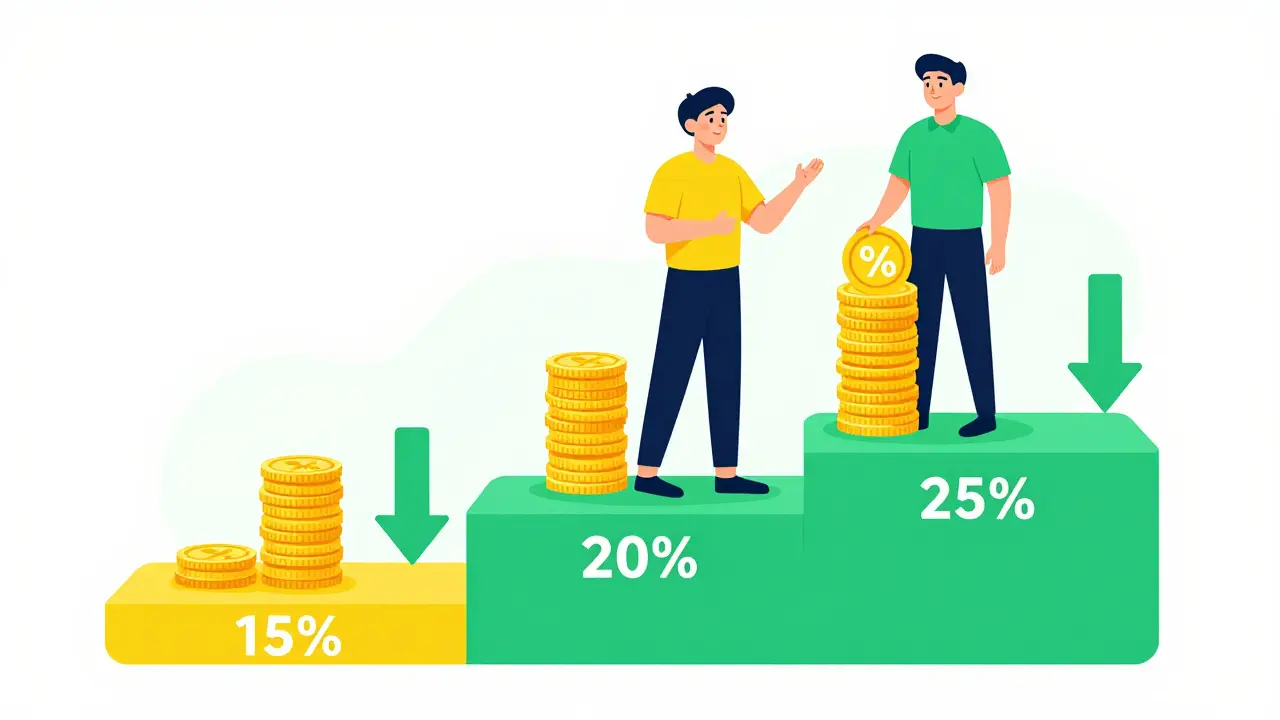
- Trading Fee Discounts: This is the biggest draw. If you hold between 100 and 500 LEO, you get a 15% discount on trading fees. Hold between 500 and 2,000 LEO, and that jumps to 20%. Hold more than 2,000 LEO, and you enjoy a 25% reduction. For high-volume traders, this adds up quickly.
- Lower Funding Costs: Margin traders benefit from reduced funding rates when they hold LEO, making leveraged positions cheaper to maintain.
- Referral Rewards: The referral program offers enhanced rewards if both parties hold LEO tokens.
Recently, Bitfinex expanded this utility. As of August 2023, LEO can be used for fee discounts on Bitfinex Pay, their merchant processing service. This moves the token slightly beyond pure exchange speculation and into actual payment utility, albeit still within the iFinex family.
The Deflationary Mechanism: The Burn
Here is where LEO gets interesting. Most tokens suffer from inflation as new supply enters the market. LEO fights this with a legally binding buyback and burn mechanism.
Bitfinex commits to using 27% of its monthly net profits to buy back LEO tokens from the open market and permanently destroy them. This reduces the total supply over time, which theoretically increases the value of remaining tokens if demand stays constant. If the buybacks don’t reach the target amount, Bitfinex covers the difference from operational profits over a four-year period.
Since inception, this mechanism has burned approximately 17.5 million LEO tokens. While this is only about 1.89% of the initial supply, the commitment provides a layer of transparency and accountability that is rare in the crypto world. It aligns the exchange’s success directly with the token holders’ interests: if Bitfinex makes money, LEO holders benefit through supply reduction.
Dual-Chain Architecture: Ethereum and EOS
One thing that confuses new users is that LEO exists on two different blockchains. About 64% of the total supply (595 million tokens) lives on Ethereum as an ERC-20 token. The remaining 36% (330 million tokens) is on the EOS blockchain.
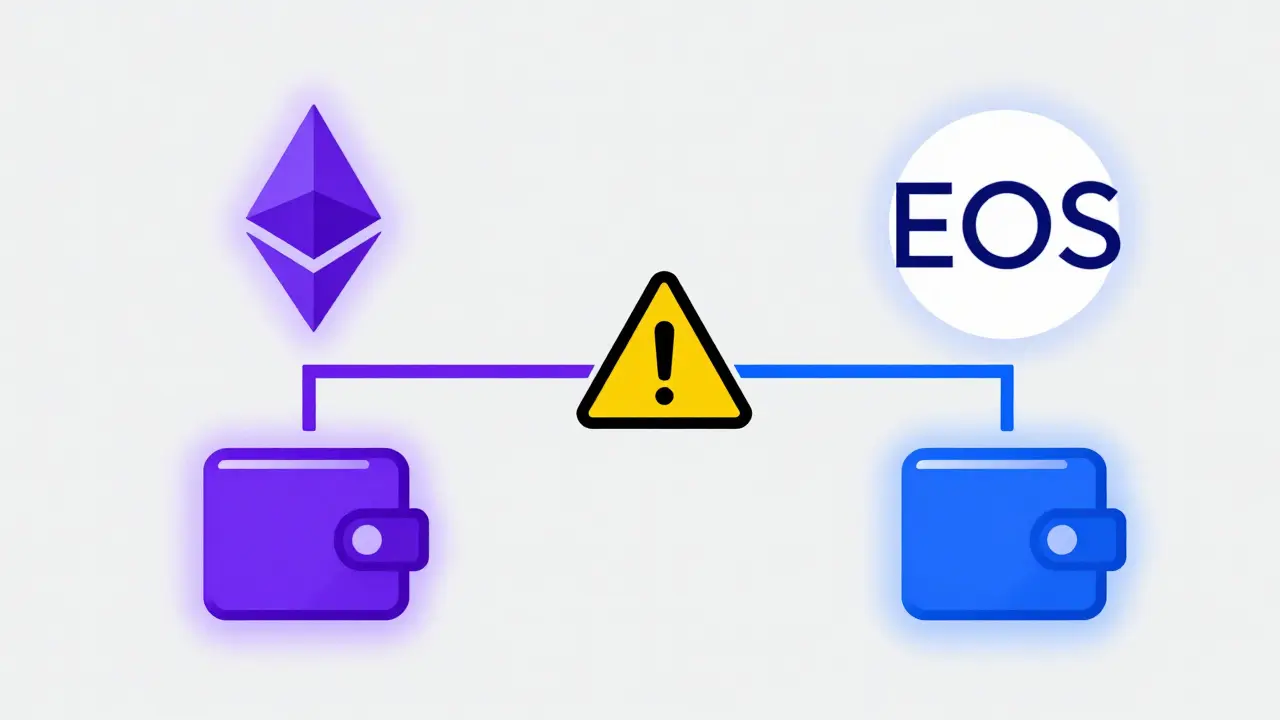
Why two chains? Ethereum offers broad compatibility with wallets and decentralized finance (DeFi) apps. EOS offers faster transaction speeds and lower fees. By being on both, LEO tries to give users flexibility. However, this creates a practical challenge: you must know which chain your wallet supports. Sending EOS-based LEO to an Ethereum wallet address will result in lost tokens. Always double-check the network before transferring.
| Feature | Ethereum (ERC-20) | EOS |
|---|---|---|
| Supply Share | 64% | 36% |
| Transaction Speed | 15-30 seconds | ~15 seconds |
| Wallet Compatibility | MetaMask, Ledger, Trezor | Scatter, Anchor Wallet |
| Main Advantage | DeFi Integration | Lower Fees/Faster Finality |
LEO vs. Other Exchange Tokens
Exchange tokens are a category of their own. You have Binance Coin (BNB), Huobi Token (HT), and OKB. How does LEO stack up?
BNB is the giant here. It has broader utility, powering the entire Binance Smart Chain ecosystem, travel bookings, and entertainment tickets. LEO is much more focused. Its utility is almost entirely confined to Bitfinex. This is both a strength and a weakness. On one hand, the benefits are concentrated and potent for Bitfinex users. On the other hand, if Bitfinex loses market share, LEO suffers. BNB has diversified away from reliance on a single exchange.
Compared to HT or OKB, LEO’s tiered discount structure is more granular. HT often offers a flat discount, while LEO rewards larger holders with better rates. Additionally, LEO’s buyback mechanism is more aggressive than most competitors, allocating 27% of profits versus the industry average of 15-20%.
Risks and Considerations
No investment is without risk. Here is what you need to watch out for with LEO.
Exchange Dependency: Nearly 98% of LEO’s utility is tied to Bitfinex. Unlike BNB, which has external applications, LEO’s fate is closely linked to Bitfinex’s performance. Bitfinex’s global market share has declined from over 5% in 2019 to around 1.8% recently. If the exchange continues to lose ground to competitors like Coinbase or Binance, LEO’s growth potential could be capped.
Regulatory Scrutiny: iFinex operates under a New York BitLicense and Cayman Islands regulations. However, the SEC has previously scrutinized the token, issuing a Wells Notice in 2022. While this was resolved with an $18.5 million settlement in February 2023, regulatory uncertainty remains a factor for all utility tokens issued by exchanges.
Liquidity and Volatility: While LEO has maintained relative stability compared to smaller altcoins, it still correlates heavily with the broader crypto market. During the 2022 bear market, LEO saw a maximum drawdown of 68%, though this was less severe than the overall market’s 75% decline. This suggests some resilience, but not immunity to crashes.
Who Should Buy LEO?
LEO isn’t for everyone. If you are a casual investor who buys Bitcoin once a year, LEO won’t do much for you. Its value is unlocked through active usage.
It makes the most sense for:
- Active Bitfinex Traders: If you trade frequently on Bitfinex, the fee discounts can easily offset the cost of buying the tokens. Users averaging 20+ trades per month report higher net profitability after accounting for these savings.
- Margin Traders: Reduced funding costs make leverage cheaper, which is crucial for those who use margin trading regularly.
- Long-Term Believers in Bitfinex: If you think Bitfinex will regain market share and expand its ecosystem (such as the planned DEX launch), holding LEO positions you to benefit from increased utility and continued burns.
If you don’t use Bitfinex, there is little reason to hold LEO. The lack of external merchant acceptance means you can’t spend it at stores or online retailers like you might with BNB or XRP.
Getting Started with LEO
If you decide to proceed, the process is straightforward but requires attention to detail.
- Create a Bitfinex Account: Complete the KYC verification process. This is mandatory for using the exchange and accessing full features.
- Purchase LEO: You can buy LEO directly on Bitfinex using fiat currency or other cryptocurrencies. It is also available on exchanges like Gate.io.
- Choose Your Wallet: Decide whether you want to keep LEO on the exchange or move it to a personal wallet. If moving it, choose MetaMask for Ethereum-based LEO or Scatter/Anchor for EOS-based LEO.
- Verify the Chain: When withdrawing or transferring, always select the correct network. Mixing up Ethereum and EOS addresses is the most common mistake and can lead to irreversible losses.
Customer support from Bitfinex is available 24/7. Premium account holders typically see response times under 18 minutes, while standard users may wait up to four hours. Given the complexity of dual-chain transfers, having access to support is valuable.
Is LEO a good investment for beginners?
Not really. LEO is best suited for active traders on Bitfinex who can utilize the fee discounts. Beginners who are not trading frequently won't see enough benefit to justify the holding costs and risks associated with exchange-specific tokens.
Can I spend LEO outside of Bitfinex?
Currently, no. LEO’s utility is almost entirely confined to the Bitfinex ecosystem, including trading fees, margin funding, and recently Bitfinex Pay. It lacks the broad merchant acceptance of tokens like BNB or XRP.
What happens if Bitfinex shuts down?
This is the primary risk of LEO. Since its utility is tied to the exchange, a shutdown would severely diminish its value. Unlike decentralized tokens, LEO relies on the operational continuity of iFinex and Bitfinex.
How does the LEO burn mechanism work?
Bitfinex uses 27% of its monthly net profits to buy back LEO tokens from the open market and permanently destroys them. This reduces the total supply, potentially increasing the value of remaining tokens over time.
Which wallet should I use for LEO?
It depends on the chain. For Ethereum-based LEO (ERC-20), use MetaMask, Ledger, or Trezor. For EOS-based LEO, use Scatter or Anchor Wallet. Always ensure your wallet supports the specific blockchain version of the token you are transferring.
Is LEO regulated by the SEC?
iFinex has faced scrutiny from the SEC, including a Wells Notice in 2022, which was settled in February 2023 with an $18.5 million fine. While resolved, regulatory status remains a consideration for investors concerned about security classifications.