What is Portal (PORTAL) Crypto? Web3 Gaming Token Explained
 Jun, 2 2026
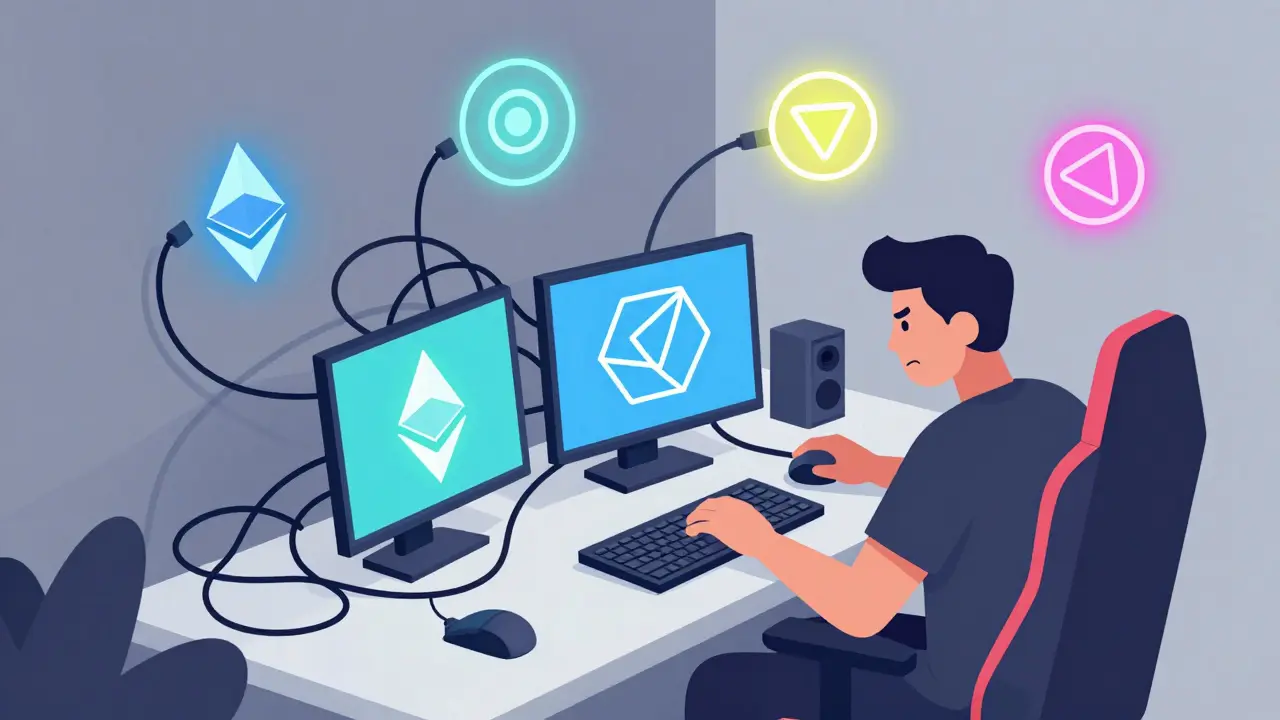
You’ve probably seen the ticker PORTAL flash across your trading screen or heard whispers about it in crypto Discord servers. But what exactly is this coin, and why does it matter if you care about the future of gaming? It’s not just another meme coin hoping for a quick pump. Portal is a specific infrastructure play designed to solve one of the biggest headaches in blockchain gaming: fragmentation.
If you’ve ever tried to play Web3 games, you know the drill. You have a wallet on Ethereum, another on Solana, maybe some assets stuck on Polygon. To play a new game, you often need to bridge funds, swap tokens, and pray the transaction doesn’t fail. That friction kills fun. Portal exists to remove that friction. It uses the LayerZero protocol to let players jump between chains seamlessly. In short, it aims to be the universal login and payment layer for Web3 gaming.
The Core Concept: One Login, Many Chains
At its heart, Portal is a Web3 gaming ecosystem built on multi-chain technology. The project was initiated by the Portal Foundation with a bold mission: onboard the first billion gamers into Web3. Think about that number. Current Web3 gaming adoption is a fraction of that. To get there, the experience has to feel like Web2-smooth, instant, and invisible.
The secret sauce here is interoperability. Most gaming tokens are tied to a single blockchain. If the game is on Binance Smart Chain, you need BNB for gas. If it moves to Arbitrum, you need ETH. Portal changes the rules. By leveraging LayerZero, which allows different blockchains to talk to each other directly, Portal lets users interact with over 200 supported games across various networks without manually bridging assets. You don’t need to understand cross-chain messaging protocols; you just log in and play.
What Does the PORTAL Token Actually Do?
Tokens in ecosystems like this usually fall into two buckets: governance and utility. PORTAL wears both hats, but its utility side is what drives daily activity. Here is how the token functions within the platform:
- Governance: Holders can vote on proposals that shape the future of the ecosystem. This includes decisions on which games get featured, fee structures, and partnership approvals.
- In-Game Utility: PORTAL serves as a medium of exchange within the supported games. Whether you are buying skins, unlocking levels, or trading NFTs, the token facilitates these transactions.
- Staking and Rewards: Users can stake their PORTAL tokens to earn rewards. This mechanism helps secure the network and incentivizes long-term holding rather than immediate selling.
- Liquidity Provision: The token supports liquidity pools, ensuring that traders can buy and sell in-game assets quickly without massive price slippage.
This design means the value of PORTAL is theoretically linked to the activity of the platform. More players mean more transactions, which increases demand for the token to pay for fees and purchases. However, remember that correlation isn’t causation-the token price also reacts heavily to broader market sentiment.
Technology Stack: LayerZero and Portal Passport
To understand Portal, you have to look at its underlying tech stack. The platform relies heavily on LayerZero’s omni-chain interoperability protocol. LayerZero acts as the communication layer between blockchains. Instead of locking your assets in a bridge contract and waiting for a wrapped version to appear on another chain, LayerZero sends a message that instructs the destination chain to release equivalent value. This is faster and often more secure than traditional bridges.
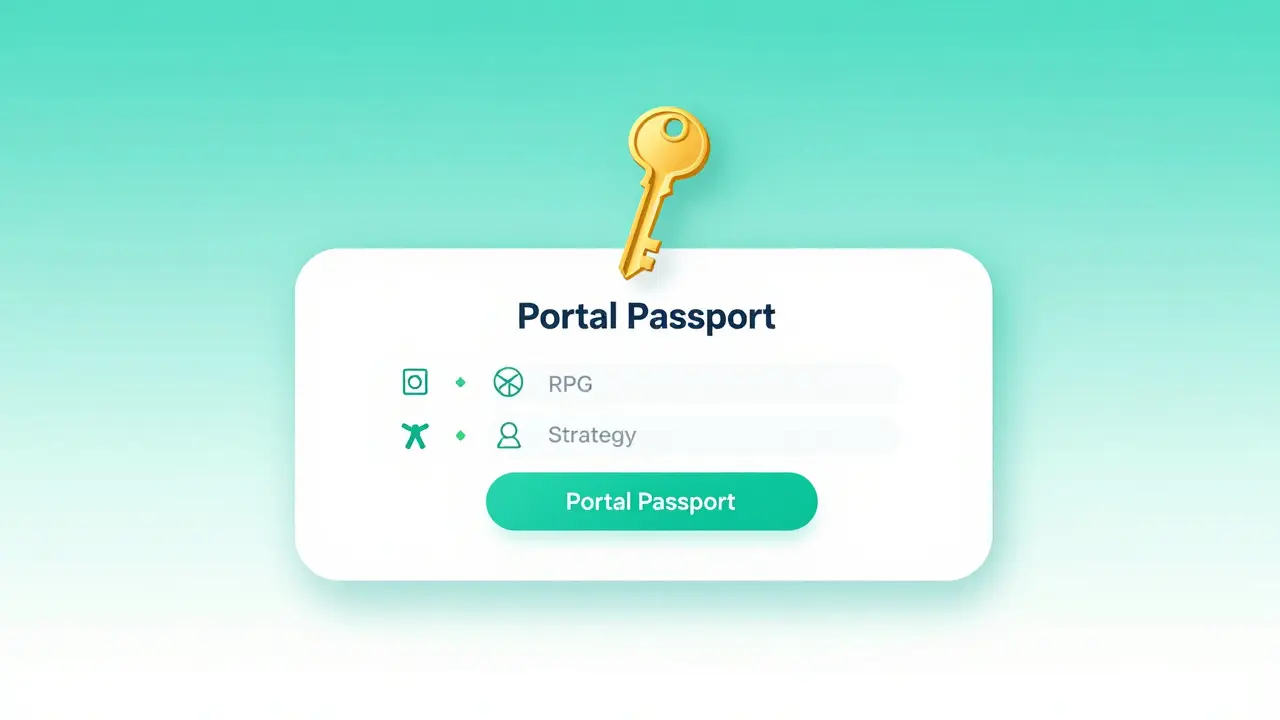
On the user side, this complexity is hidden behind the Portal Passport. This is a single-sign-on solution. Imagine having one username and password that works for Steam, Epic Games, and PlayStation simultaneously, while also managing your crypto wallets. That’s the goal of Portal Passport. It abstracts away the need for multiple wallet extensions and seed phrases, making the entry barrier significantly lower for non-crypto-native gamers.
Market Performance and Volatility
Let’s talk numbers, because they tell a stark story about the risks involved. When Portal launched in late February 2024, excitement drove the price to an all-time high (ATH) of $3.36. That was the peak of the speculative frenzy. Since then, the token has experienced the brutal reality of crypto cycles.
| Metric | Value |
|---|---|
| All-Time High (ATH) | $3.36 (Feb 29, 2024) |
| All-Time Low (ATL) | $0.027 (Jun 22, 2025) |
| Circulating Supply | 580 Million PORTAL |
| Max Supply | 1 Billion PORTAL |
| 24h Trading Volume | $400M+ (Highly Variable) |
As of mid-2026, the price hovers in the range of $0.02 to $0.04, depending on the exchange. This represents a drawdown of over 99% from its peak. Why such a drop? Several factors contribute. First, the initial launch saw massive hype and likely significant insider or early investor selling. Second, the broader crypto market went through a correction phase in 2025. Third, gaming tokens are notoriously volatile because their value depends on user adoption, which takes time to build organically.
Technical indicators often show mixed signals. For instance, a Relative Strength Index (RSI) above 70 suggests the asset is overbought and due for a pullback, while below 30 indicates oversold conditions. With PORTAL, you’ll see frequent swings between these extremes. Traders watching the 50-day Simple Moving Average (SMA) use it to gauge short-term trends, but given the volatility, relying solely on technical analysis can be dangerous without understanding the fundamental development progress.
Ecosystem and Game Support
A gaming platform is only as good as its games. Portal claims support for over 200 titles across various chains. This is a significant number compared to competitors who might host only five or ten exclusive titles. The diversity matters. It means whether you prefer RPGs, shooters, or strategy games, there’s likely something integrated into the Portal ecosystem.
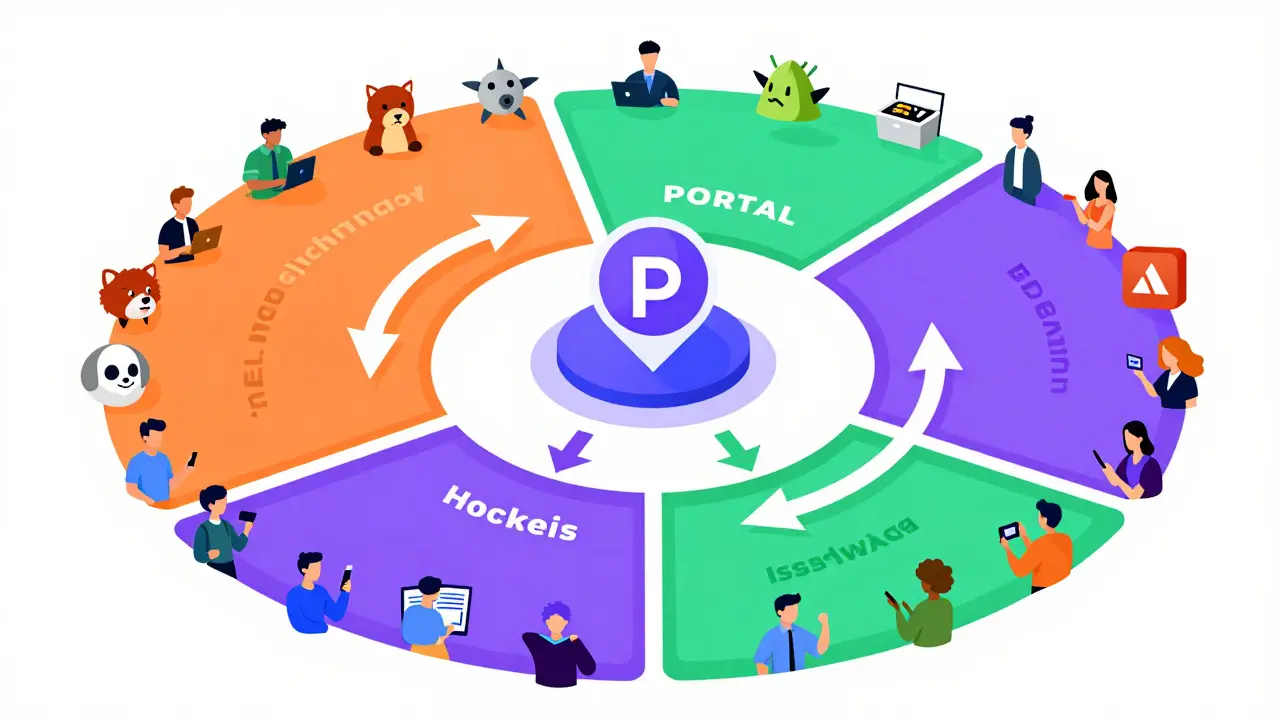
The platform focuses on three pillars: transactions, asset trading, and social engagement. This means it’s not just about playing; it’s about building a community. Features include marketplace capabilities for trading in-game items (NFTs) and social tools that allow players to connect. The Portal Foundation emphasizes security and community focus, planning to diversify offerings further through collaborations with indie studios and larger developers.
However, quality varies. Not every game in the 200+ list is a hit. Some may be low-effort projects cashing in on the Web3 trend. As a user or investor, you need to do your own due diligence on the specific games driving volume. Are people actually playing them, or is the activity just bot-driven trading?
Risks and Considerations
Before you buy any PORTAL tokens, consider the risks. The most obvious is financial volatility. A 99% drop from ATH is not uncommon for altcoins, but it wipes out inexperienced investors. Always invest only what you can afford to lose.
Then there’s technological risk. Portal relies on LayerZero. While LayerZero is a leading protocol, cross-chain systems are prime targets for hackers. Any vulnerability in the smart contracts could lead to exploits. Although the Portal Foundation describes itself as security-conscious, no system is immune to bugs. Keep an eye on audit reports and any news regarding security incidents.
Regulatory risk is also looming. Governments worldwide are still figuring out how to classify gaming tokens. If PORTAL is deemed a security in certain jurisdictions, it could face delisting from major exchanges like Binance or Kraken, severely impacting liquidity and price.
Finally, beware of name confusion. There are other projects named "Portal." For example, "Portal to Bitcoin" is a separate infrastructure project focused on Bitcoin scaling. Another entity provides key management for stablecoins. Ensure you are looking at the correct ticker (PORTAL) associated with the LayerZero-powered gaming ecosystem listed on major exchanges.
How to Buy and Use PORTAL
If you decide to proceed, buying PORTAL is straightforward on major centralized exchanges. Here is the typical process:
- Create an Account: Sign up on a reputable exchange like Binance, Kraken, or Crypto.com. Complete the necessary KYC (Know Your Customer) verification steps.
- Fund Your Wallet: Deposit fiat currency via bank transfer, credit card, or deposit another cryptocurrency like USDT or BTC.
- Locate the Pair: Search for PORTAL. The most liquid pair is usually PORTAL/USDT. Check the 24-hour volume to ensure good liquidity before trading.
- Execute the Trade: Place a market order for immediate execution or a limit order to buy at a specific price.
- Withdraw (Optional): For long-term holding, consider withdrawing to a private wallet that supports ERC-20 or BEP-20 tokens, depending on where you bought them. However, if you plan to use Portal Passport for gaming, keeping some on the exchange or in a compatible web wallet might be easier for integration.
Once you have the tokens, you can start using the Portal Passport to access the supported games. The interface aims to hide the blockchain complexity, so you should experience a smoother flow than typical Web3 interactions.
Is Portal (PORTAL) a good investment in 2026?
Whether PORTAL is a good investment depends on your risk tolerance and belief in Web3 gaming adoption. The token has dropped significantly from its 2024 highs, indicating high volatility. It offers exposure to the LayerZero ecosystem and multi-chain gaming trends. However, it carries substantial downside risk if user adoption stalls. Always conduct your own research and consult financial advice before investing.
What is the difference between Portal and Axie Infinity?
Axie Infinity is primarily a single-game ecosystem (though expanding) built mostly on Ronin sidechain. Portal is an infrastructure layer that connects over 200 games across multiple different blockchains using LayerZero. Portal focuses on interoperability and a unified login experience, whereas Axie focuses on its specific game universe and economy.
Does Portal use Ethereum?
Yes, but not exclusively. Portal is multi-chain. It utilizes LayerZero to connect Ethereum, Binance Smart Chain, Polygon, Arbitrum, and others. This allows users to interact with games on any of these chains without manually switching networks or bridging assets themselves.
What is Portal Passport?
Portal Passport is a single-sign-on solution for the Portal ecosystem. It allows gamers to log in to multiple Web3 games and manage their assets across different blockchains using one account, abstracting away the complexity of managing multiple wallets and seed phrases.
Where can I buy PORTAL tokens?
PORTAL is listed on major centralized exchanges including Binance, Kraken, and Crypto.com. You can buy it using fiat currencies or other cryptocurrencies like USDT. Always verify the contract address and ticker symbol to avoid scams or confusing it with other projects named Portal.
kamal ifrani
June 3, 2026 AT 17:55Oh, look at this. Another shiny new infrastructure play promising to solve fragmentation while the actual token price is in the toilet.
I’ve seen this movie before. They hype up the LayerZero integration, talk about 'onboarding a billion gamers,' and then dump on retail investors once the initial liquidity dries up. It’s always the same story with these gaming tokens. The tech might be fine for all I care, but the economics are designed to bleed you dry.
Look at that drawdown. Ninety-nine percent from ATH. That’s not volatility; that’s a rug pull by another name. You people buying into this because it sounds like 'Web3' are just providing exit liquidity for the insiders who got in at $0.027. Stop pretending it’s an investment when it’s clearly a speculative casino chip. The only thing being onboarded here is your wallet balance going to zero.
Edith Mair
June 3, 2026 AT 23:47Can we please stop acting like every project that isn’t Bitcoin or Ethereum is a scam?
The article actually breaks down the utility pretty well. If Portal Passport works as advertised-hiding the seed phrases and bridging complexity-it could genuinely lower the barrier to entry for non-crypto natives. Most gamers don’t want to manage three different wallets just to buy a skin.
I’m skeptical of the long-term viability given the competition, but dismissing the tech stack entirely because the price dropped is lazy analysis. The drop makes sense given the broader market correction in 2025. Everything bled. If the ecosystem actually gets those 200 games active with real users, the token demand could stabilize. Until then, it’s high risk, sure, but not automatically worthless.
Sam Dashti
June 5, 2026 AT 03:35Alright, hold up. Let’s paint a picture here. Imagine you’re playing a shooter on Solana and you want to trade an NFT gun for something on Polygon. Currently, it’s a nightmare of bridges and gas fees. Portal tries to smooth that out with LayerZero. That’s the dream, right? A seamless omni-chain experience where you just log in and go.
But here’s the rub: does anyone actually use it? The article mentions 200+ games, but quality varies wildly. Some are probably low-effort cash grabs. I’d love to see data on daily active users versus bot traffic. If the volume is fake, the token is dead weight. But if they crack the code on making Web3 feel like Web2, that’s a unicorn scenario. Just don’t bet the farm on it yet. The volatility is no joke.
saradee dee
June 5, 2026 AT 16:27It is so scary how much money people lose!
I read about the price dropping from $3.36 to like $0.02. That is huge! My heart hurts for the people who bought at the top. Why do they buy when everyone says it is risky?
I hope the games are fun though. If the games are good, maybe people will stay. But if it is just trading tokens, that seems stressful. I prefer simple things. This crypto stuff is too complicated for me. I just watch from the sidelines now. It feels like a rollercoaster that never stops spinning. Please be careful everyone!
Eric Grosso
June 6, 2026 AT 08:21i mean its layerzero backed so cant be all bad rite?
but yeah the chart looks like a cliff. i tried playing some web3 games last year and the bridging was such a pain in the ass. if portal actually fixes that without me needing to understand what a cross-chain message is, id try it.
just dont tell me to hodl if it drops another 90%. my portfolio cant take it lol
Christina Pearce
June 7, 2026 AT 15:19I appreciate the detailed breakdown of the risks, especially regarding regulatory uncertainty. It’s easy to get swept up in the technology narrative, but the legal landscape for gaming tokens remains incredibly murky.
If PORTAL is classified as a security in major jurisdictions, the delisting risk mentioned in the post becomes a very real threat. That would severely impact liquidity regardless of how good the tech is.
On a positive note, the focus on user experience through the Portal Passport is commendable. Abstraction layers are necessary for mass adoption. However, I remain cautious until we see sustained organic growth in user activity rather than just speculative trading volume. Transparency in audit reports will be key for building trust here.
stalin brian
June 9, 2026 AT 10:12hey guys, just wanted to say that the multi-chain approach is really smart.
in india we see a lot of people trying to get into crypto but the tech barrier is high. if something like portal passport can make it easier, thats great for adoption.
but yeah, watch out for scams. there are many projects with similar names. always check the contract address. dont rush into buying just because the price is low. do your own research. the community should support each other and share accurate info. lets keep the discussion respectful and helpful for everyone learning about web3.
Barclay Chantel
June 10, 2026 AT 06:28Typical hype cycle nonsense. 'Infrastructure play' is just buzzword soup for 'we need more buyers.'
The fact that it relies on LayerZero doesn’t save it from being a mediocre token with inflated expectations. Look at the fundamentals: massive supply, heavy insider selling, and a product that solves a problem most casual gamers don’t even know they have.
Real gamers don’t care about interoperability between chains; they care about graphics, gameplay, and latency. This is a solution looking for a problem. I wouldn’t touch it with a ten-foot pole. Save your capital for assets with actual intrinsic value or established networks.
Dana Rapoport
June 11, 2026 AT 23:22There is a philosophical angle here worth considering. We are attempting to merge the frictionless nature of traditional software with the decentralized ownership model of blockchain. It is a difficult balance.
Portal attempts to abstract away the complexity, which is essential for scaling. However, abstraction often comes at the cost of transparency. Users must trust the system to handle their assets correctly across chains. That trust is fragile.
I encourage everyone to look beyond the price charts and consider the underlying architecture. Is the single-sign-on method secure? How are disputes handled? These questions matter more than short-term price action. Patience and deep understanding are virtues in this space.
lorna erni
June 13, 2026 AT 18:26Stop complaining and start building!
If you think the price drop is bad, imagine being a developer trying to launch a game on five different chains without a unified login. Portal saves time. That has value.
I’m staking my tokens because I believe in the long-term vision of Web3 gaming. Yes, it’s volatile. Yes, there are risks. But sitting on the sidelines guarantees you’ll miss out when the next bull run hits. The ecosystem is growing. Over 200 games is not nothing. Get off your high horses and engage with the platform. Use the passport. Play the games. Support the devs. That’s how we win.