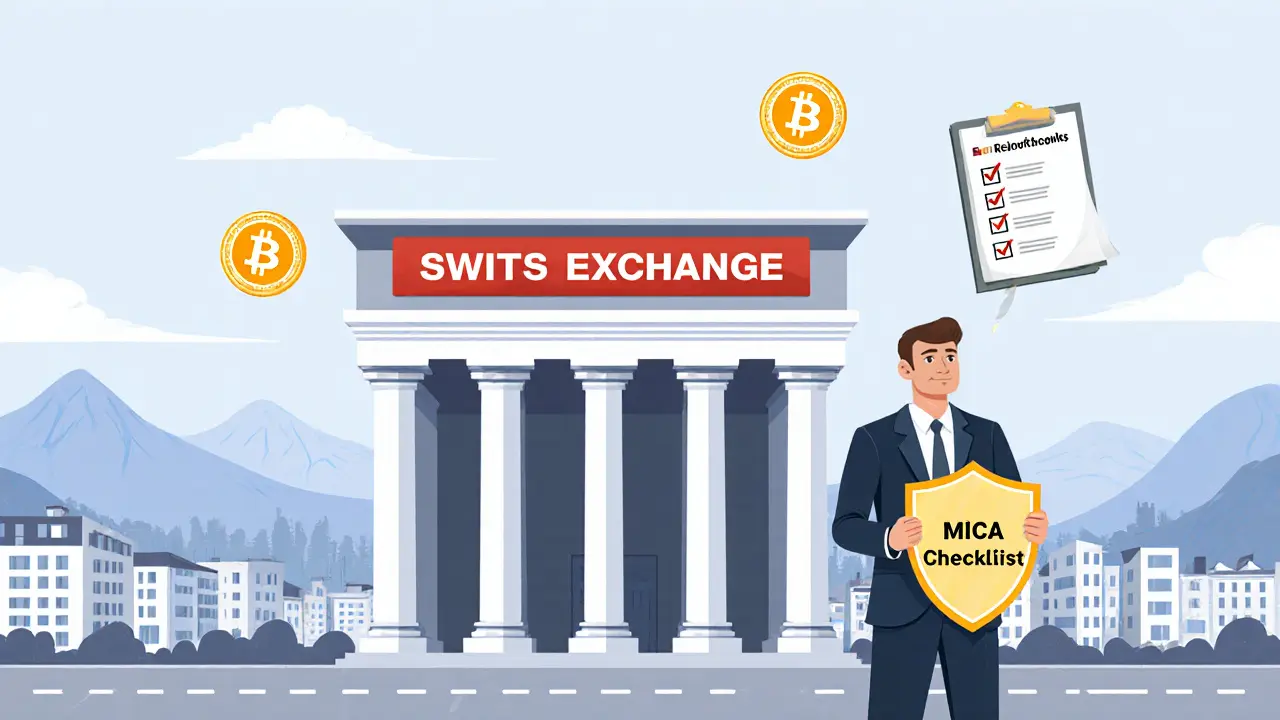
SMART VALOR is a regulated Swiss crypto exchange with strong compliance but high fees and limited coins. It's under sale as of early 2025, making its future uncertain despite its MiCA-ready status.
Crypto Exchange Reviews and Airdrop Truths from November 2025
When you’re trying to navigate crypto exchanges, platforms where you buy, sell, or trade digital assets with varying levels of regulation, security, and ease of use. Also known as crypto trading platforms, they range from Swiss-regulated giants to obscure decentralized tools with no public team. In November 2025, the market split sharply: some exchanges are thriving under new rules like MiCA, while others are ghost towns with zero liquidity and no updates. You won’t find hype here—just cold facts about who’s still alive, who’s being sold off, and who never should’ve been listed in the first place.
Then there’s the airdrop, a free distribution of crypto tokens meant to grow a community or reward early users. Also known as token giveaway, it’s become the most abused tactic in crypto. In 2025, most "airdrops" are scams—fake websites, fake billboards, fake Solana campaigns. But real ones still exist: GEMS NFTs tied to esports, PLAYA3ULL’s Web3 gaming rewards, and rare legitimate campaigns from platforms with proven track records. The difference? Legit airdrops don’t ask for your seed phrase, don’t require deposits, and don’t promise instant riches. And if you’re chasing free tokens, you better know how to spot the fakes—or lose everything.
Behind every exchange and every airdrop is the shadow of crypto tax, the legal obligation to report gains, staking rewards, and even NFT trades to tax authorities. Also known as digital asset taxation, it’s no longer optional. Portugal lets you avoid capital gains if you hold over a year. But starting in 2026, 67 countries will automatically share your trading history with tax agencies through CARF and DAC8. Ignoring this isn’t rebellion—it’s bankruptcy waiting to happen. Meanwhile, DeFi, a system of financial apps built on blockchain without banks or middlemen. Also known as decentralized finance, it’s where the real innovation lives: Radiant Capital’s cross-chain lending, Tokenlon’s market makers, and Serum DEX’s lightning-fast trades still work—even after FTX collapsed. But they’re not for beginners. These are tools for people who understand slippage, impermanent loss, and gas fees. And if you’re not careful, your next DeFi move could cost you more than you ever made.
Security is the silent thread tying it all together. Whether you’re using Bitpin in Iran, checking Hpdex on the HPB Blockchain, or trying to claim a fake Sonar Holiday airdrop, your biggest risk isn’t the market—it’s phishing, fake KYC pages, and AI-powered scams that look real. That’s why posts on crypto phishing and blockchain security aren’t just helpful—they’re life-saving.
What you’ll find below isn’t a list of trending coins or buzzwords. It’s a curated archive of what actually happened in November 2025: the exchanges that still work, the airdrops that were real, the tax rules that changed, and the scams that tried to steal your wallet. No sugarcoating. No guesswork. Just what you need to know before you click, trade, or stake again.
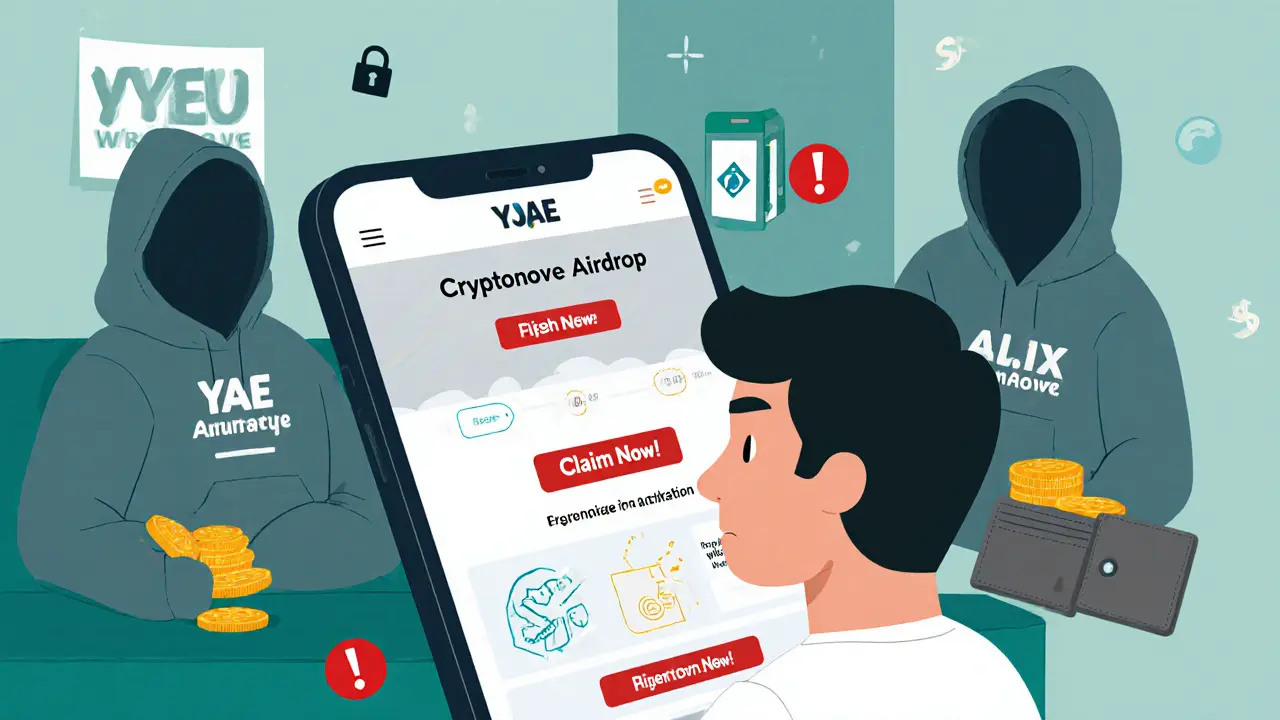
As of November 2025, there is no verified YAE Cryptonovae airdrop. Learn how real crypto airdrops work, spot scams, and find safe alternatives to claim free tokens without risking your funds.
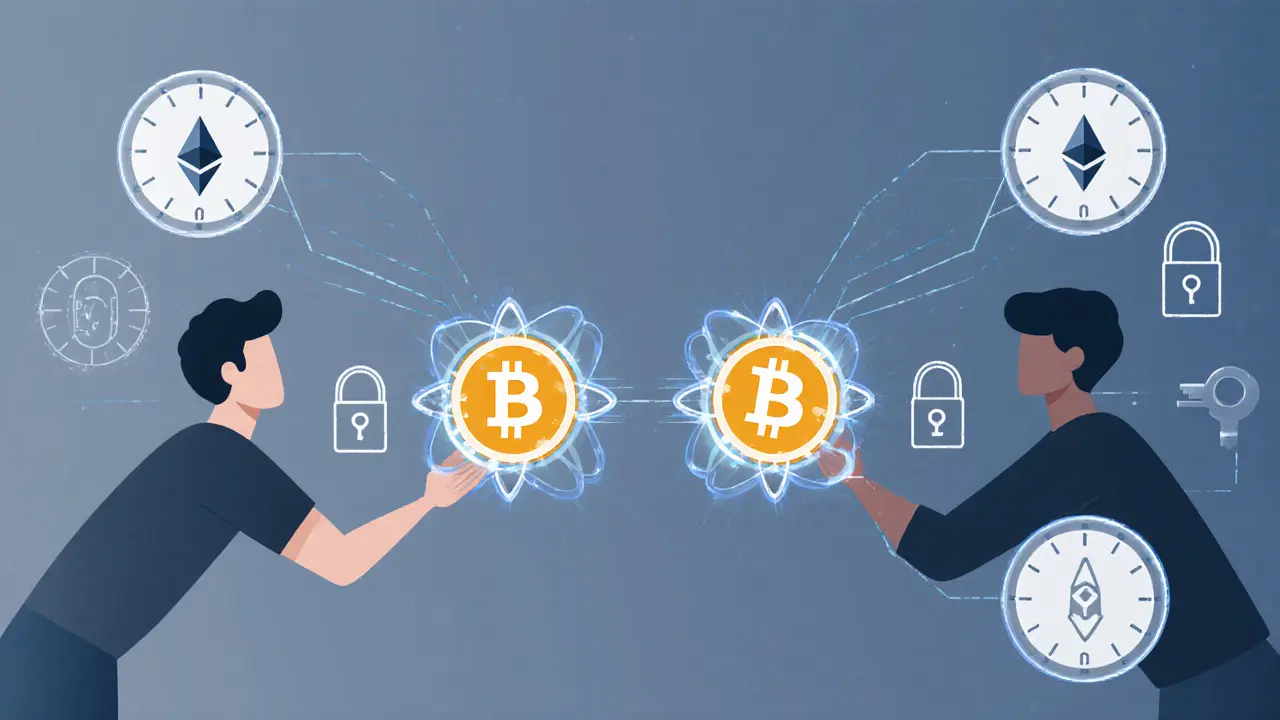
4swap is a privacy-first crypto exchange using atomic swaps on the Mixin Network. No liquidity pools, no middlemen-but also no speed or ease. Learn who it's really for and whether it's worth the complexity.
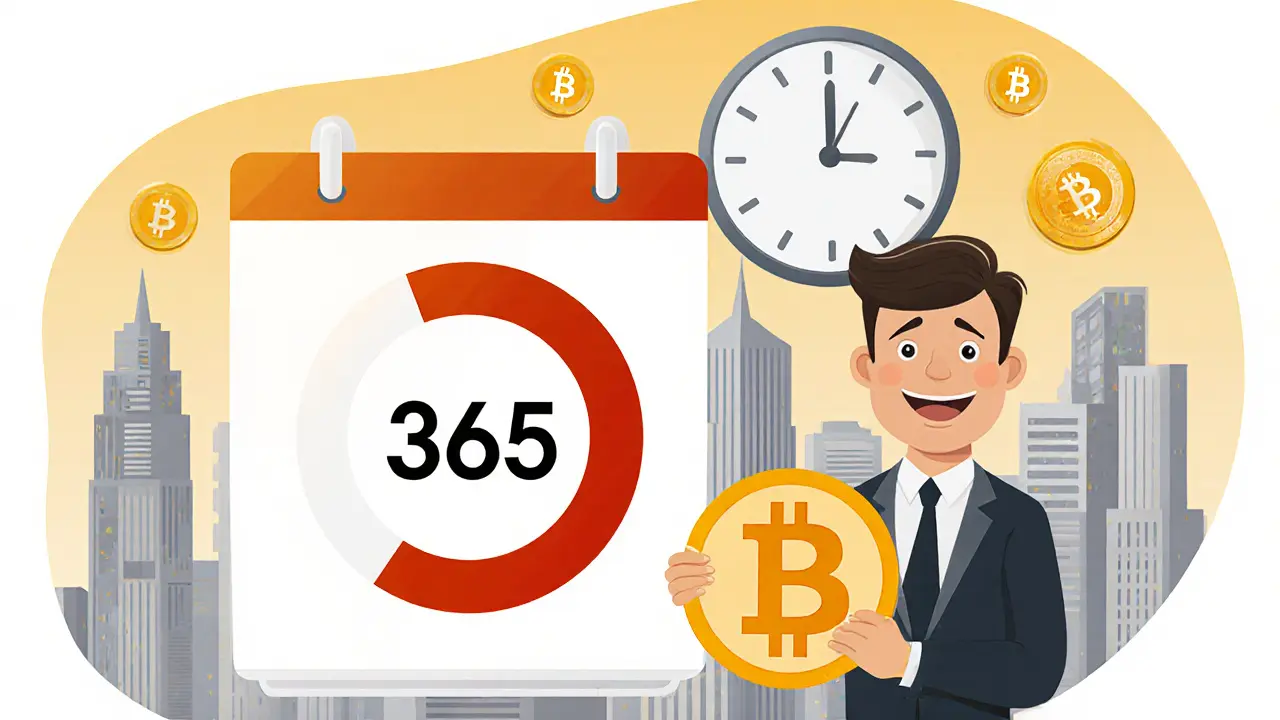
Portugal's crypto tax rules changed in 2023. Now, holding crypto over a year means zero capital gains tax. Short-term trades are taxed at 28%. Staking rewards are taxed only when sold. Here's what you need to know for 2025.
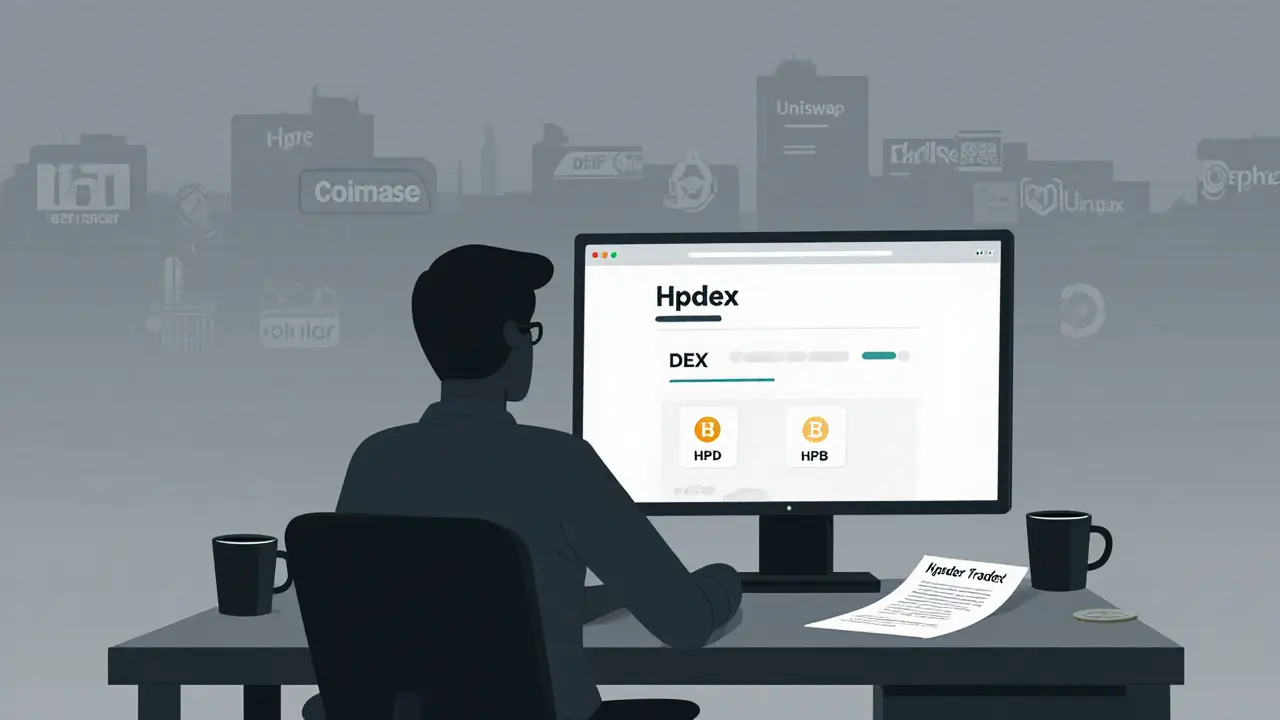
Hpdex is a niche decentralized exchange on the HPB Blockchain with limited liquidity, no public team, and minimal documentation. Learn what it offers, who it's for, and why most traders should avoid it.

The 2021 Dragonary CYT airdrop on BSC GameFi Expo III gave users up to 500,000 free tokens. Learn how it worked, why prices crashed, and whether CYT still has value today.
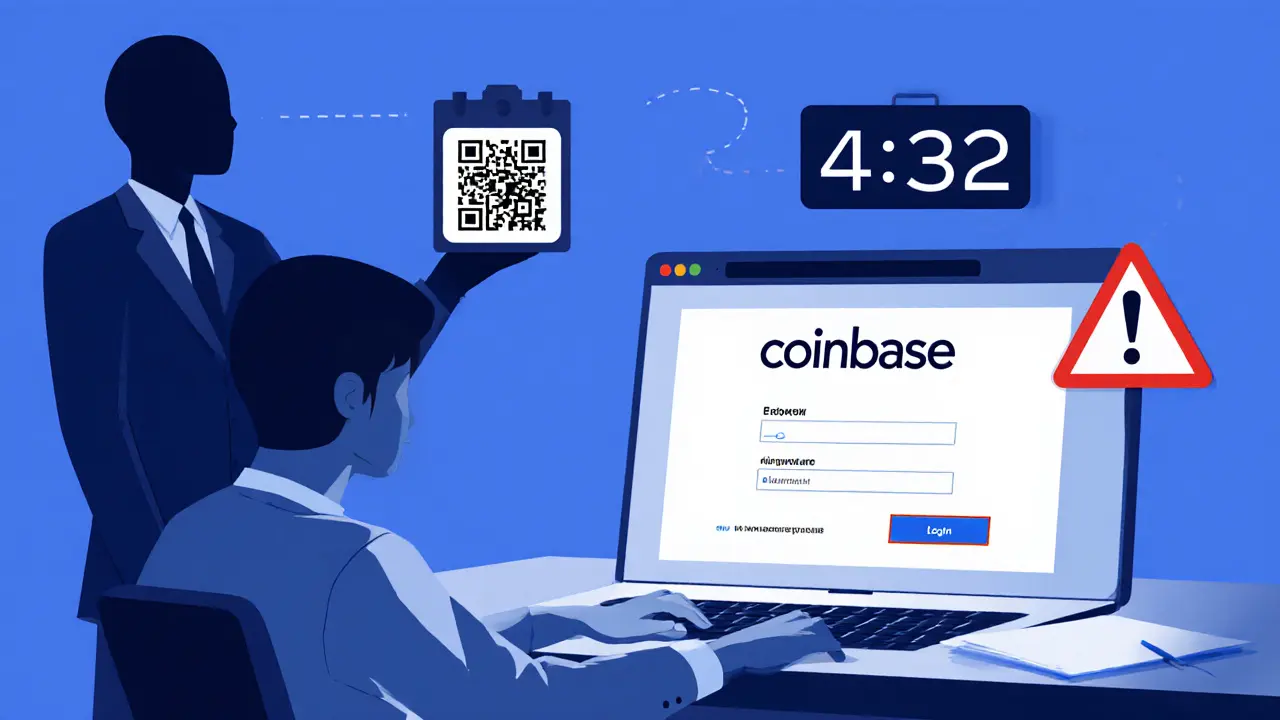
Learn how to spot crypto phishing scams in 2025 with real-world tactics, red flags, and a step-by-step verification checklist. Protect your seed phrase and digital assets from AI-powered scams.

The FEAR token airdrop ended in 2021 and is no longer active. Learn how it worked, why it failed, and what real airdrops look like today in 2025.

LON is the governance and utility token behind Tokenlon, a decentralized exchange that combines AMM pools with professional market makers for better trade prices. Learn how it works, where it's popular, and if it's worth holding.
SpotLite Crypto delivers clear, unbiased crypto insights, coin analyses, airdrop alerts, and security tips for beginners and pros. Your trusted hub for smarter blockchain decisions.
SpotLite Crypto Terms of Service: Legal guidelines for using our cryptocurrency blog. No registration required. Informational content only. U.S. law applies.
SpotLite Crypto's Privacy Policy explains how we collect and use data on our crypto blog. No registration required. Compliant with CCPA. Learn about cookies, analytics, and your rights.