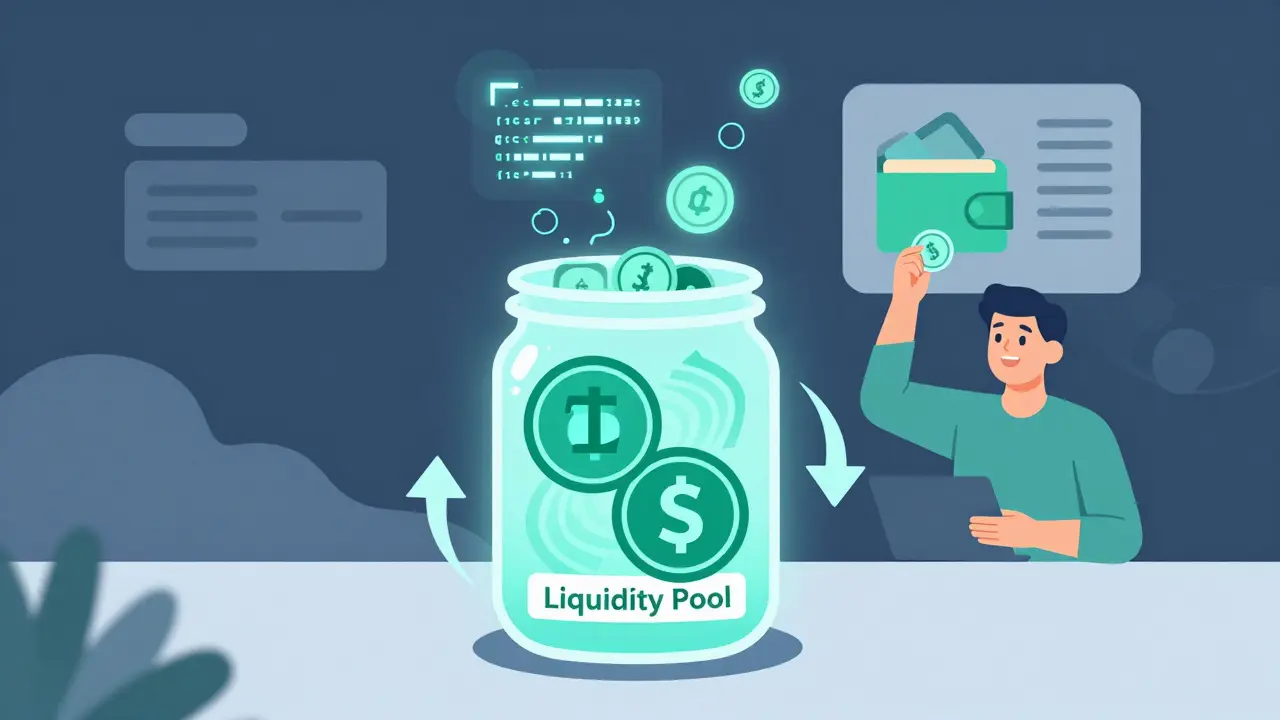
Liquidity pools are the backbone of DeFi, enabling instant crypto trading without intermediaries. Learn how they work, the risks like impermanent loss, and how to safely earn fees by providing liquidity.
AMM Explained: What Automated Market Makers Are and Why They Matter in Crypto
When you trade crypto on a decentralized exchange like Uniswap or Serum, you're not buying from another person—you're trading against an AMM, an automated market maker that uses smart contracts to set prices and match trades without human brokers. Also known as automated market maker, it's the engine behind most DeFi trading today. Unlike old-school exchanges that rely on buy and sell orders, AMMs use math—specifically, constant product formulas—to keep markets running 24/7, no matter how many people are trading.
Behind every AMM is a liquidity pool, a reserve of two tokens locked in a smart contract that traders swap between. If you trade ETH for USDC on Uniswap, you're pulling from a pool filled by other users who deposited both tokens. In return, they earn a cut of every trade. This system removes the need for market makers, lowers barriers to entry, and lets anyone become a liquidity provider. But it’s not perfect—impermanent loss, slippage, and low liquidity on small pools can hurt returns if you don’t understand how they work.
AMMs don’t just power big names like Uniswap. They’re in the backbone of niche platforms like Serum DEX, Tokenlon, and even Thruster v3. These platforms use different versions of AMMs—some combine them with professional market makers for tighter spreads, others optimize for speed on Solana or Blast. The result? More ways to trade, but also more complexity. If you’ve ever wondered why a token’s price jumps 20% after a small trade, or why your swap cost more than expected, it’s because of how the AMM calculates price based on pool size and trade volume.
Understanding AMMs isn’t just for traders—it’s essential for anyone using DeFi. Whether you’re staking, farming, or just swapping tokens, you’re interacting with an AMM. And if you’ve ever seen a post about a failed airdrop or a token crashing after launch, chances are low liquidity in the AMM pool had something to do with it. That’s why posts here break down real cases: how LON’s AMM setup gave it an edge, why Serum survived after FTX collapsed, and why some tokens vanish because their pools were drained.
What you’ll find below aren’t just theory pieces. These are real-world breakdowns of platforms, tokens, and events shaped by AMMs—some successful, some failed, all teaching you how to spot the difference between a healthy DEX and a trap.
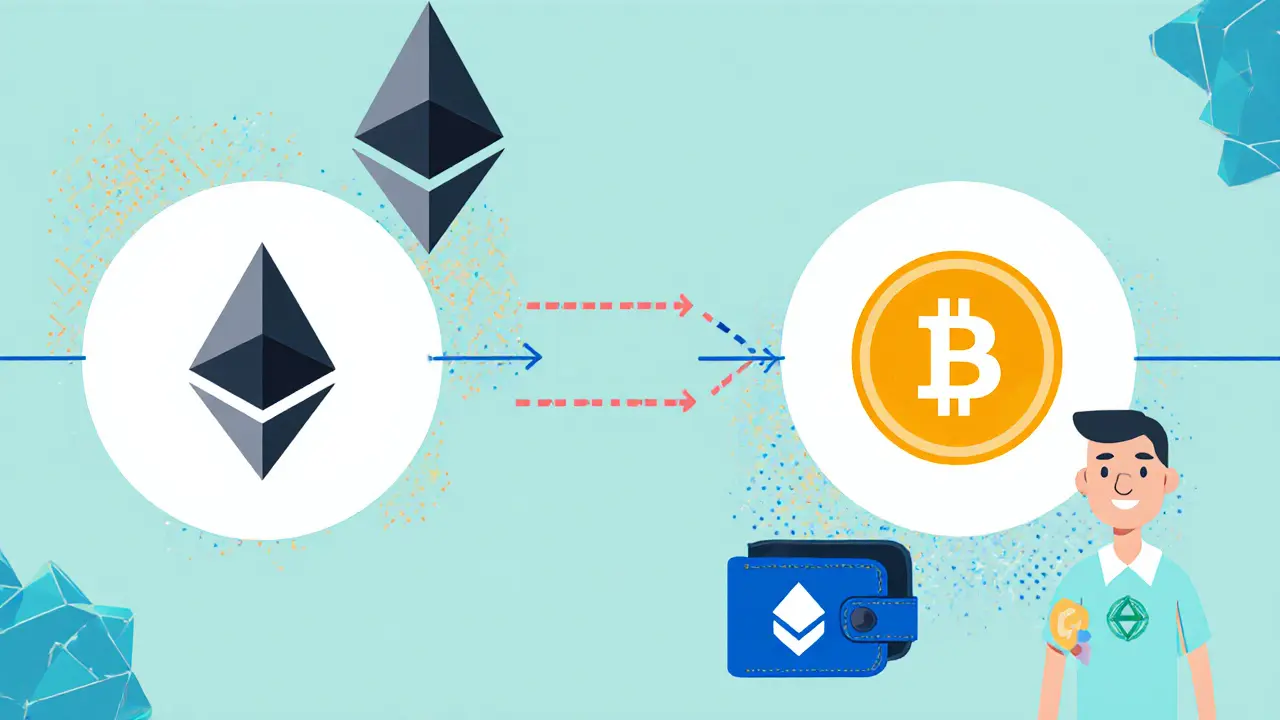
Uniswap v2 revolutionized crypto trading by enabling direct ERC-20 swaps without ETH as an intermediary. Though largely replaced by v3, it remains vital for obscure tokens and remains the foundation of modern DeFi.