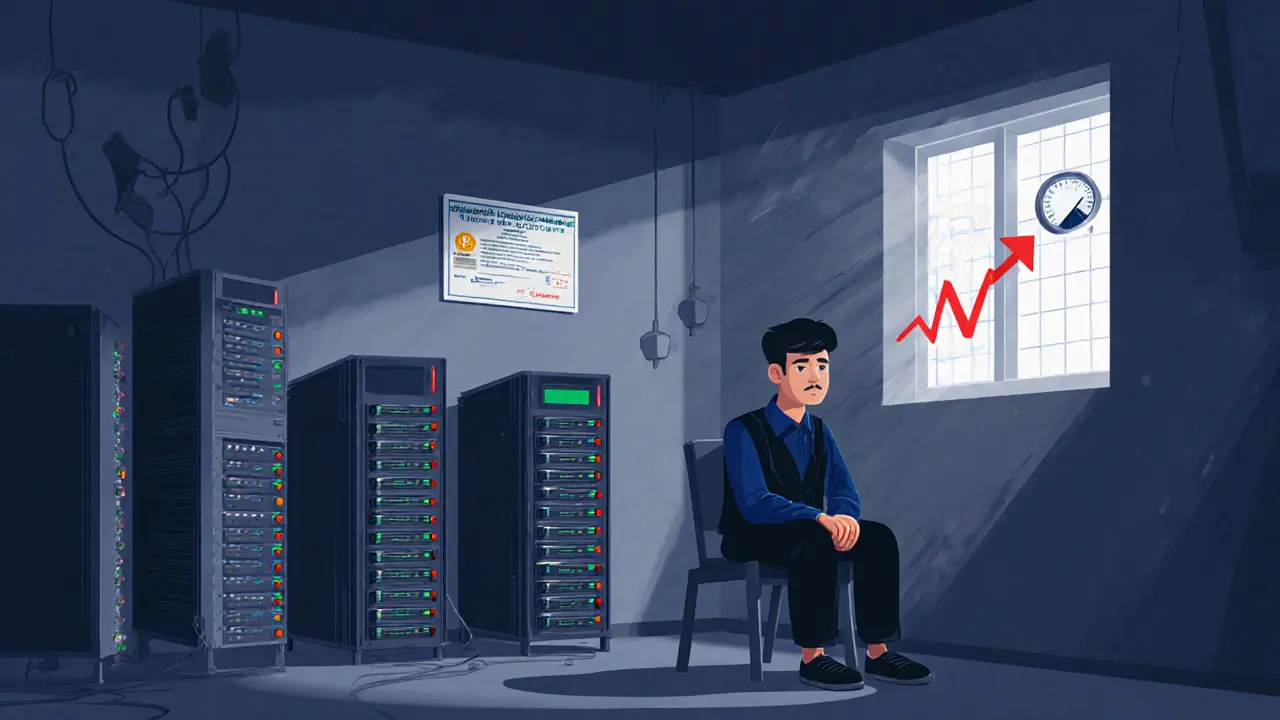
Crypto mining in Iran is legal but tightly controlled. Miners must get licenses, pay high electricity rates, and face sudden bans during power shortages. State-backed operations ignore rules, making the environment risky for private and foreign miners.
Crypto Mining Iran: What’s Really Happening and Where to Turn Now
When you hear crypto mining Iran, the practice of using hardware to validate blockchain transactions and earn cryptocurrency rewards within Iran’s unique regulatory and economic environment. Also known as Iranian cryptocurrency mining, it’s one of the few places left where mining can still be profitable—not because it’s easy, but because there’s no real alternative. While most countries shut down mining with heavy taxes or outright bans, Iran kept its electricity prices low, and its people kept their rigs running—even through rolling blackouts and U.S. sanctions.
That’s where Bitpin, a local crypto exchange built specifically for Iranian users to trade Bitcoin and USDT directly with Iranian Toman. Also known as Iranian crypto platform, it’s not just a trading site—it’s a lifeline. If you mine crypto in Iran, you don’t just need power—you need a way to turn that mined Bitcoin or USDT into cash you can actually use. Bitpin handles that. It’s always online, doesn’t require foreign bank accounts, and works with local payment methods. It’s not perfect, but it’s one of the few things that actually works.
But here’s the catch: mining isn’t free. Iran slapped a 30% tax on crypto profits in 2025, with no deductions for hardware, electricity, or cooling costs. That means if you mine $1,000 worth of Bitcoin, you owe $300 in taxes—no matter how much you spent to get it. Add to that the fact that the government monitors internet traffic and blocks mining pools, and you’re left with a high-risk, high-effort game. Most miners now run small-scale operations at home, using cheap, off-grid power or shared rigs in warehouses. It’s not the wild west of 2021 anymore—it’s a quiet, calculated hustle.
And while mining in India or the U.S. is getting harder due to regulation, Iran’s situation is different. It’s not about legality—it’s about survival. People mine because they have no access to stable banking, no way to hold value without crypto, and no real inflation hedge. The government doesn’t fully support it, but it also doesn’t fully stop it. That gray zone is why crypto mining in Iran still exists—and why tools like Bitpin and local USDT trading markets are so critical.
What you’ll find below isn’t a list of mining rigs or power tips. It’s a collection of real stories, reviews, and warnings from people who’ve been through it. You’ll see how Bitpin keeps working when others fail, why fake exchanges like Coinrate and 3xcalibur are everywhere, and how airdrops and scams prey on those trying to cash out. There’s no magic solution here—just hard truths, practical tools, and the quiet reality of mining crypto in a country that refuses to let its people go broke.