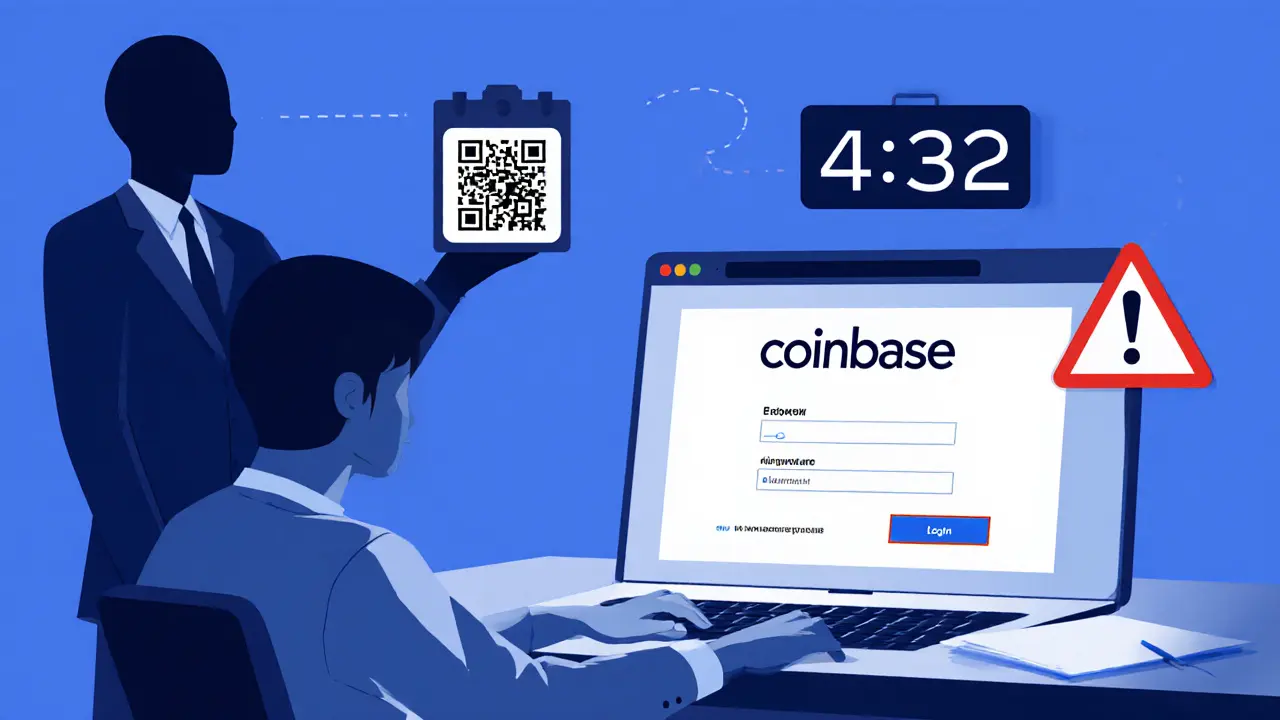
Learn how to spot crypto phishing scams in 2025 with real-world tactics, red flags, and a step-by-step verification checklist. Protect your seed phrase and digital assets from AI-powered scams.
Crypto Phishing: How Scammers Steal Your Wallet and How to Stop Them
When you hear crypto phishing, a deceptive tactic where scammers trick users into giving up control of their crypto wallets through fake websites, messages, or apps. Also known as phishing attacks, it's not just about clicking the wrong link—it's about losing your entire balance in seconds. Unlike hacking, phishing doesn’t break into your wallet. It tricks you into handing over the keys yourself. And it’s working—better than ever.
Most fake airdrops, promises of free tokens that require you to connect your wallet or enter a seed phrase are phishing traps. Look at the Position Exchange Times Square billboard airdrop, a scam that used a real-looking billboard image to lure victims to a fake site. Or the Sonar Holiday airdrop, a completely fake campaign with no real project behind it. These aren’t glitches. They’re designed to look like real opportunities from trusted names like CoinMarketCap or Solana. Scammers copy logos, use official-looking URLs, and even fake support chats. One wrong click, one signed transaction, and your ETH or SOL is gone.
And it’s not just airdrops. Fake exchange sites like Coinrate, a non-existent platform that tricks users into depositing crypto, or 3xcalibur, a phantom exchange that doesn’t exist but has fake reviews everywhere, are phishing fronts. They look real. They have testimonials. They even have fake customer service. But once you log in, your wallet is drained. Even legitimate tools like KYC verification portals are being cloned to steal your ID and crypto.
The truth? No legitimate project will ever ask for your seed phrase. No airdrop requires you to connect your wallet to claim tokens. No exchange needs you to sign a transaction just to "verify" your account. If it sounds too good to be true—or even just slightly off—it’s a phishing attempt. The most dangerous scams don’t scream "fraud." They whisper, "This is safe. This is real. Just one more click."
Below, you’ll find real cases of these scams—how they were built, why they fooled people, and what you can do to avoid them. No theory. No fluff. Just the patterns scammers use, the red flags they hide, and the simple steps that keep your crypto safe. You don’t need to be an expert. You just need to know what to look for.