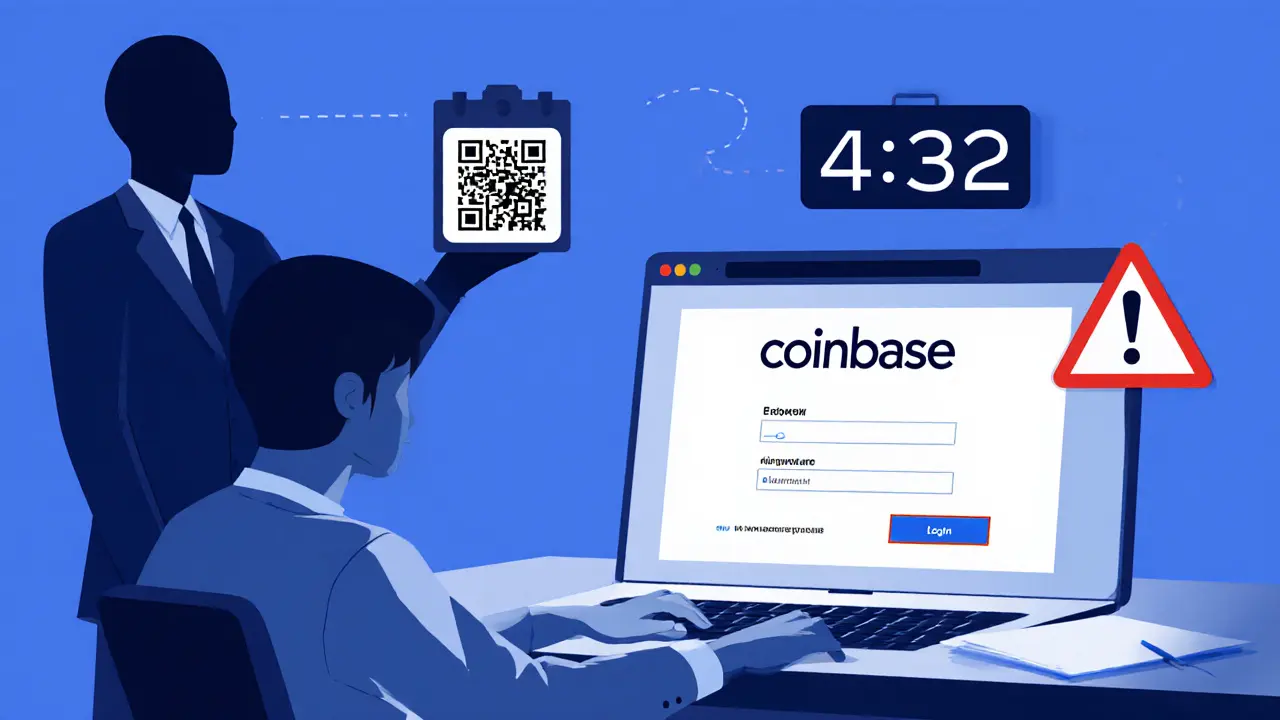
Learn how to spot crypto phishing scams in 2025 with real-world tactics, red flags, and a step-by-step verification checklist. Protect your seed phrase and digital assets from AI-powered scams.
Crypto Security: Protect Your Wallet, Avoid Scams, and Stay Safe in 2025
When it comes to crypto security, the practices and technologies that protect digital assets from theft, fraud, and unauthorized access. Also known as blockchain security, it's not about how fancy your wallet looks—it's about whether you're trusting the right things. Most people think crypto security means a strong password or a hardware wallet. But in 2025, the real danger isn't hackers breaking into your device—it's you giving access willingly.
Take KYC verification, the process of proving your identity to crypto platforms to comply with anti-money laundering rules. Also known as blockchain KYC, it's not just a form you fill out—it's the gatekeeper between you and legitimate exchanges like Coincall or Bitpin. Skip it on sketchy sites? You're inviting trouble. Every fake exchange—Coinrate, 3xcalibur, Position Exchange—uses the same trick: they skip KYC to lure you in, then vanish with your funds. Meanwhile, real platforms use KYC not to spy on you, but to protect you from scams that pretend to be them.
Then there’s crypto scams, fraudulent schemes designed to steal crypto by pretending to be real projects or airdrops. Also known as fake crypto giveaways, they’re everywhere—billboards in Times Square, Instagram ads promising free tokens, Telegram groups pushing "limited-time" drops. The Sonar Holiday airdrop? Doesn’t exist. The TRO airdrop? Made up. The GEMS NFT airdrop? Real—but only if you follow the exact steps on CoinMarketCap, not some random link. Scammers don’t need to hack your wallet. They just need you to click "Connect Wallet" on a fake site. One click, and your private keys are gone.
And don’t forget validator rewards, the income you earn for securing proof-of-stake blockchains like Ethereum or Solana by staking your coins. Also known as staking rewards, they’re not free money—there’s risk. If you stake without understanding slashing penalties or node uptime, you can lose part of your stake. That’s crypto security too: knowing the hidden costs behind "passive income." It’s not just about locking up coins. It’s about choosing a reliable validator, checking their track record, and understanding what happens if they go offline.
Look at the posts below. They’re not just about new tokens or airdrops. They’re warning signs. The FEAR token? Dead. The BOYS coin? A ghost. The TopGoal NFT drop? Stalled. The Flux Protocol airdrop? Real—but only if you go through CoinMarketCap’s official page. Every post here shows the same pattern: the safest crypto moves aren’t the ones that promise the most returns. They’re the ones that ask for the least from you. No downloads. No wallet connects. No urgency. Just clear, verified steps.
If you’re reading this, you’re already ahead of 90% of people who just chase the next moonshot. Now it’s time to lock down what matters: your keys, your identity, your trust. The next scam won’t come from a hacker. It’ll come from a link that looks just like the real thing. Know the difference before it’s too late.