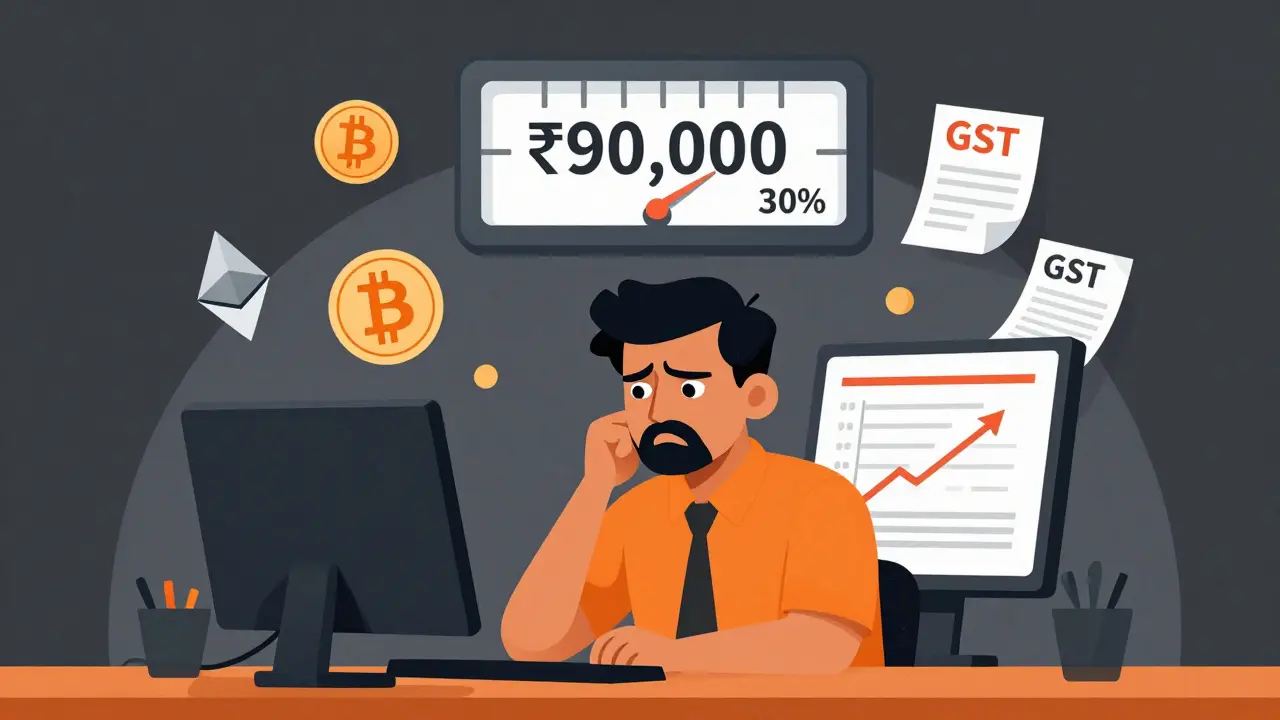
India enforces crypto taxes at 30% with 1% TDS and 18% GST on platform fees. Penalties include interest, fines up to 50% of unpaid tax, and prosecution. Reporting is mandatory, and offshore trading doesn't exempt you.
Crypto Tax Enforcement: What You Need to Know in 2025
When you trade, stake, or even swap crypto, the crypto tax enforcement, the global effort by governments to track and collect taxes on cryptocurrency transactions. Also known as crypto tax compliance, it’s no longer a warning—it’s an active system running on blockchain analysis, exchange data sharing, and AI-driven audits. The days of assuming crypto is anonymous and untouchable are over. In 2025, the IRS, HMRC, EU tax authorities, and even smaller agencies like Thailand’s Revenue Department are cross-referencing wallet addresses, exchange records, and DeFi activity to find unreported gains.
That’s why crypto tax residency, the legal country where you’re considered a taxpayer for crypto income. Also known as tax domicile, it’s become one of the most powerful tools for managing your liability. Moving your residency isn’t a loophole—it’s a legal strategy. But it’s not as simple as buying a plane ticket. Countries like Portugal, Malta, and Singapore still offer favorable rules, but only if you prove you’ve cut ties with your home country. The U.S. and Canada, on the other hand, tax citizens no matter where they live. And if you think hiding in a crypto tax haven, a jurisdiction with low or zero crypto capital gains tax. Also known as crypto-friendly country, it’s a place where tax authorities have limited reach will keep you safe, think again. Many of these places now share financial data under global standards like CRS and FATCA. The real savings come from knowing exactly where you’re taxed, not where you hide.
And don’t forget crypto capital gains tax, the tax you pay when you sell crypto for more than you bought it. Also known as crypto profit tax, it applies to every trade, not just cashouts. Buying ETH with BTC? That’s a taxable event. Sending crypto to a friend as a gift? In some places, that’s taxable too. Even staking rewards are treated as income when you receive them. The IRS doesn’t care if you didn’t convert to fiat. The blockchain doesn’t lie, and the software tracking it gets smarter every year.
So what’s left? crypto tax optimization, the legal process of reducing your crypto tax burden using timing, structure, and jurisdiction. Also known as tax-efficient crypto strategy, it’s not about evasion—it’s about planning. You can’t avoid taxes forever. But you can delay them, reduce them, or shift them to a lower rate. That’s what the posts below cover: real cases, real rules, and real mistakes people made when they thought crypto was a free pass. Some moved countries and got caught. Others held too long and paid more. A few found the right structure and saved thousands. This isn’t theory. It’s what’s happening now—and what you need to know before your next transaction.