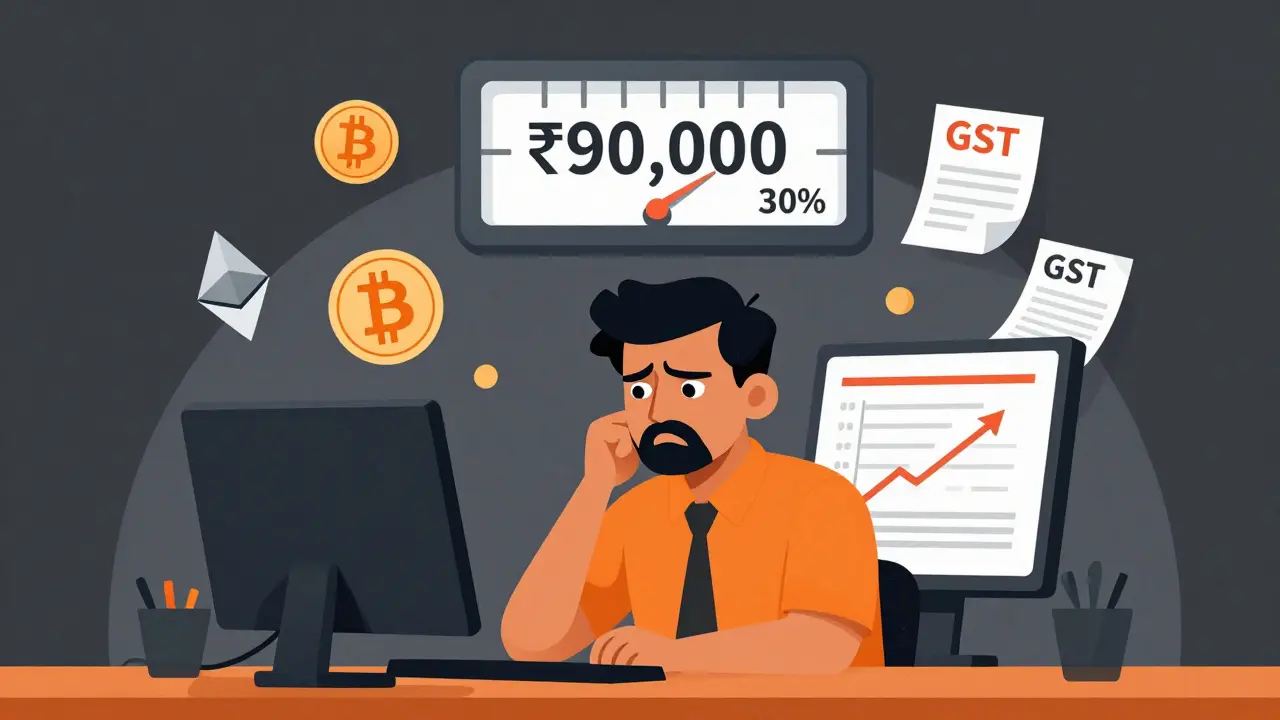
India enforces crypto taxes at 30% with 1% TDS and 18% GST on platform fees. Penalties include interest, fines up to 50% of unpaid tax, and prosecution. Reporting is mandatory, and offshore trading doesn't exempt you.
Cryptocurrency Penalties: What Happens If You Break the Rules
When you trade, stake, or hold cryptocurrency penalties, fines, legal action, or even imprisonment that can result from violating crypto laws in your country. Also known as crypto legal consequences, these penalties aren’t theoretical—they’re being enforced right now in places like China, Algeria, and Thailand. If you think crypto is lawless, you’re already behind. Governments aren’t waiting. They’re tracking wallets, blocking exchanges, and prosecuting people who dodge taxes or use unlicensed platforms.
One of the biggest triggers for crypto tax evasion, failing to report crypto gains to tax authorities, which can lead to audits, back taxes, and criminal charges is pretending your crypto profits don’t exist. Portugal lets you avoid capital gains if you hold over a year, but the U.S. and UK are chasing down every trade. In 2025, the IRS and HMRC are using blockchain analytics tools that can trace your wallet activity back to your bank account. You don’t need to be rich to get caught—just careless.
crypto ban, a government’s complete prohibition on crypto trading, holding, or even discussing digital assets isn’t just a rumor. Algeria makes it a crime to own Bitcoin. China blocks exchanges, shuts down VPNs used for P2P trading, and fines people who move crypto through unofficial channels. Thailand now requires every exchange serving locals to be licensed—and unlicensed ones get shut down overnight. These aren’t warnings. They’re enforcement actions.
And then there’s crypto exchange regulation, the legal framework that forces platforms to verify users, report activity, and hold funds securely. If you trade on a site like Bitskrix or BitbabyExchange—platforms with no licenses, no reviews, and no transparency—you’re not just risking your money. You’re risking legal exposure. Regulators don’t just go after the platforms. They go after the users who chose them.
Scams aren’t just a loss of cash—they’re a legal liability. If you fall for a fake airdrop like the non-existent VLXPAD Grand Airdrop or YAE Cryptonovae, you might not get tokens, but you could still be flagged for participating in a fraudulent scheme. The same goes for using unregulated platforms like DueDEX or Hpdex. No KYC doesn’t mean no consequences. Authorities are building cross-border databases to track who’s using these platforms.
What you’ll find below isn’t a list of horror stories. It’s a map of real cases—where penalties hit hardest, how people got caught, and what you can do to stay clear of the law. From China’s underground P2P networks to Portugal’s tax loopholes, these posts show you exactly how the rules play out in practice. No theory. No fluff. Just what’s happening, who’s being targeted, and how to avoid becoming the next headline.