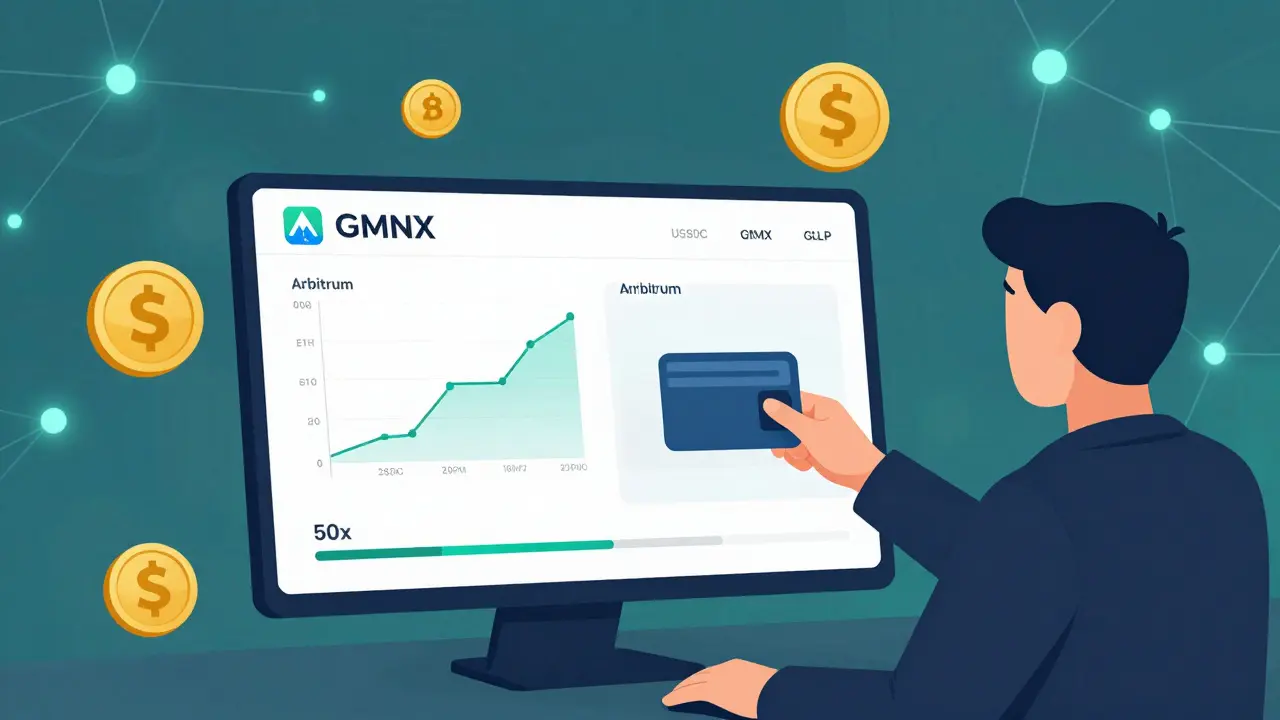
GMX on Arbitrum is a top decentralized exchange for leveraged crypto trading with up to 100x leverage, no KYC, and real rewards for stakers. See how it compares to dYdX, Hyperliquid, and Binance.
Decentralized Crypto Exchange: What It Is and Why It Matters
When you trade crypto on a decentralized crypto exchange, a platform that lets users trade directly from their own wallets without handing control to a company. Also known as a DEX, it removes banks, brokers, and middlemen from the equation. This isn’t just a tech buzzword—it’s a shift in who controls your money. With a centralized exchange like Binance or Coinbase, you’re trusting them to hold your coins. With a DEX, you keep your keys. No one can freeze your account, no one can disappear with your funds, and no one can change the rules on you.
That’s why non-custodial wallet, a wallet where only you have access to the private keys. Also known as self-custody wallet, it’s the backbone of every true decentralized exchange. If you’re using MetaMask, Phantom, or Trust Wallet to connect to a DEX, you’re already using a non-custodial wallet. That’s the difference. On centralized platforms, you’re signing up for an account. On a DEX, you’re signing a transaction—your wallet does the rest. And because these exchanges run on smart contracts, they don’t need staff to approve trades. That’s why platforms like Serum DEX and Tokenlon can offer near-instant trades with near-zero fees. But it’s not perfect. Liquidity can be thin, slippage can bite you, and if you mess up a transaction, there’s no customer service to call. You’re on your own.
That’s where DeFi, a system of financial apps built on blockchain that operate without traditional intermediaries. Also known as decentralized finance, it’s the ecosystem that makes DEXs possible comes in. DEXs aren’t standalone tools—they’re part of a larger movement. They connect to liquidity pools, automated market makers, and lending protocols. That’s why you’ll see tokens like LON (Tokenlon) and SRM (Serum) listed alongside trading pairs. These aren’t just coins—they’re governance tokens that let users vote on how the exchange evolves. And that’s the real power: you’re not just trading. You’re helping shape the system.
But here’s the thing—most people don’t understand how DEXs actually work. They hear "no KYC" and think it’s a loophole. It’s not. It’s a design choice. No KYC means no identity checks, which means no account freezes. But it also means no chargebacks, no recovery options, and no safety net. That’s why so many posts in this collection focus on scams, fake airdrops, and phishing attempts. If you’re using a DEX, you’re responsible for everything. A wrong address? Your coins are gone. A fake contract? Your wallet is drained. That’s why security isn’t optional—it’s the foundation.
What you’ll find below isn’t a list of the "best" DEXs. It’s a real-world look at what’s working, what’s dead, and what’s a trap. You’ll see how Serum DEX survived after FTX collapsed. You’ll learn why Bamboo Relay still exists but barely gets used. You’ll find out why Tokenlon’s LON token matters beyond just trading fees. And you’ll see how fake DEXs—like 3xcalibur or Coinrate—are designed to steal your seed phrase before you even click "connect wallet." This isn’t theory. It’s what’s happening right now. And if you’re trading crypto without understanding this, you’re playing Russian roulette with your money.
Thruster v3 is a niche decentralized exchange built exclusively for the Blast blockchain, offering early access to new tokens with minimal liquidity and high risk. Perfect for experienced DeFi users chasing early-stage projects, but not for beginners or those seeking safety.