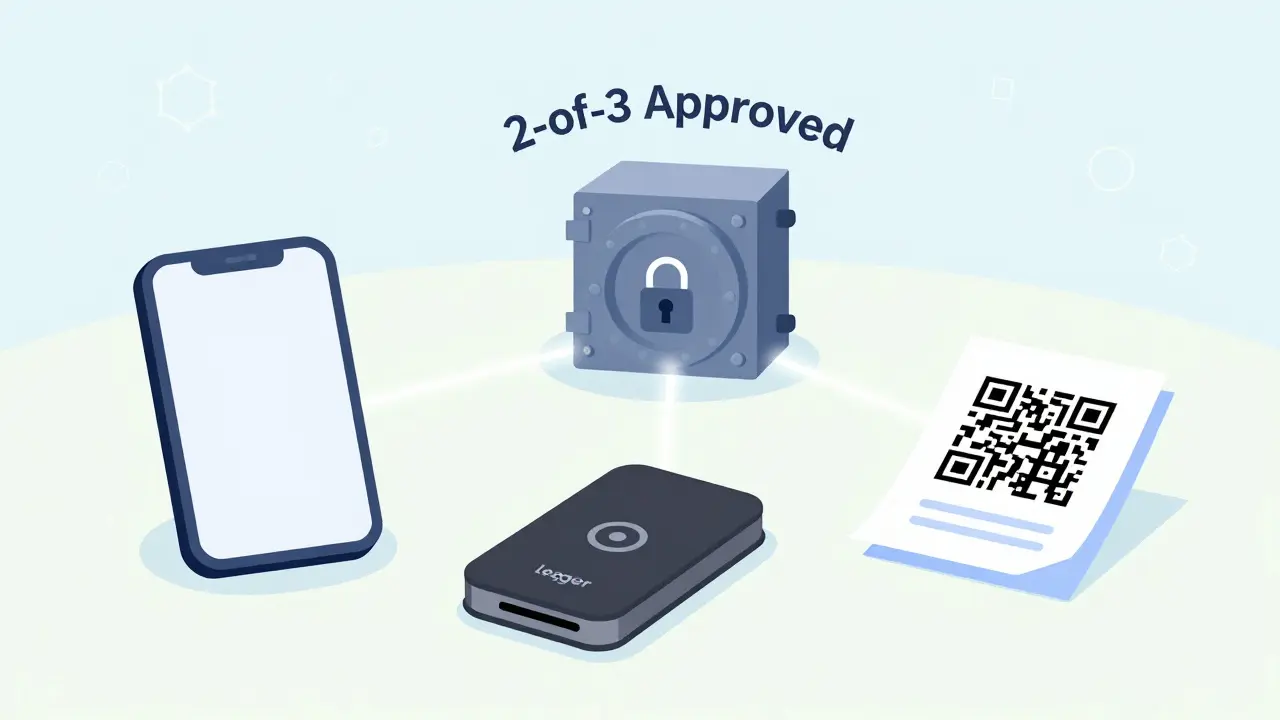
MultiSig wallets require multiple signatures to move crypto, making them far safer than single-key wallets. Learn how Safe Wallet, Blue Wallet, and others protect large holdings against theft, loss, and internal fraud.
Ethereum multisig: How multi-signature wallets protect your crypto
When you hold crypto on Ethereum multisig, a type of wallet that requires two or more private keys to authorize a transaction. Also known as multi-signature wallet, it acts like a bank vault that needs two or more people to open it—no single person has full control. This isn’t just a fancy feature. It’s the difference between leaving your keys under the mat and locking them in a safe with a co-signer.
Ethereum multisig wallets are built using smart contracts on the Ethereum network. They don’t rely on a single private key like a regular wallet. Instead, they’re programmed to require a set number of approvals—say, 3 out of 5 signers—before any transaction goes through. That means if one key gets stolen, your funds are still safe. If someone tries to hack your device or trick you into signing a bad transaction, they can’t move your crypto alone. This setup is used by DAOs, crypto funds, and even families managing shared wallets. It’s not just for institutions. Anyone holding more than a few thousand dollars in ETH or ERC-20 tokens should consider it.
Related tools like smart contract wallet, a wallet powered by code that can automate rules like time locks or spending limits often work alongside multisig systems. And crypto custody, the practice of securely storing and managing digital assets has evolved because of them. Traditional exchanges? They hold your keys. With multisig, you hold the power—distributed, not centralized. That’s why so many posts here focus on security: Bitskrix and BitbabyExchange are scams because they control your funds. Real security means you’re in charge, and multisig makes that possible.
You’ll find posts here that explain how to set up a multisig wallet, which tools to use, and how to avoid common mistakes—like misconfiguring the approval threshold or losing a key. You’ll also see how multisig ties into DeFi, liquidity pools, and even airdrops where teams need secure fund management. This isn’t theory. It’s what separates people who lost everything in a hack from those who kept their assets safe—even when their phone got stolen or their email got phished.
Whether you’re managing a family wallet, running a small DAO, or just holding a large ETH position, Ethereum multisig isn’t optional—it’s the baseline for smart crypto ownership. Below, you’ll find real guides, setups, and warnings from people who’ve been there. No fluff. Just what works.