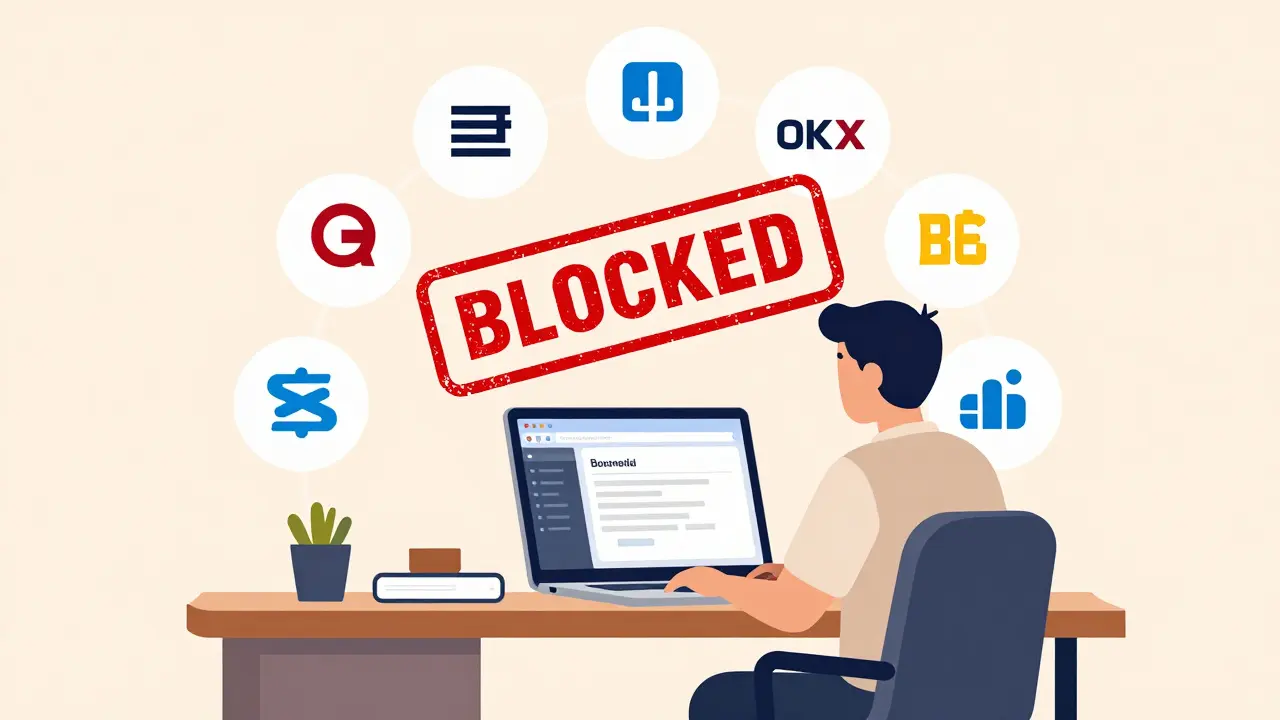
Thailand's SEC crypto regulations in 2025 require all exchanges serving Thai users to get licensed. Foreign platforms like Bybit and OKX have been blocked. Only nine exchanges are approved, with strict limits on coins, fees, and services.
Licensed Crypto Exchanges in Thailand: What’s Legal, What’s Not
When it comes to licensed crypto exchanges in Thailand, crypto platforms officially registered and regulated by Thailand’s Securities and Exchange Commission (SEC). Also known as regulated cryptocurrency platforms, these exchanges must follow strict rules on KYC, anti-money laundering, and customer fund protection. Unlike unregulated platforms that vanish overnight, licensed ones have real oversight—meaning your money has a better chance of being safe.
Thailand’s crypto rules changed in 2018 when the SEC started requiring all exchanges to apply for a license. By 2025, only a handful made the cut. The big names like Bitkub, Thailand’s largest and first licensed crypto exchange, offering spot trading, staking, and a local fiat gateway, and Zipmex, a Singapore-based platform that got Thai approval to serve local users, are the only ones you can trust without risking legal trouble. Other platforms may claim to be "Thai-friendly," but if they’re not on the SEC’s official list, they’re operating illegally—and you could lose everything.
It’s not just about where you trade. crypto regulation Thailand, the legal framework that governs how digital assets are bought, sold, and taxed also affects what you can do. If you trade on an unlicensed exchange, you’re not just breaking rules—you’re exposing yourself to fines, account freezes, or worse. Even holding crypto isn’t illegal, but if you use an unapproved platform to trade, you’re in the gray zone. The SEC also requires all licensed exchanges to report user activity to tax authorities, so there’s no hiding your gains.
Many people think they can bypass the system with P2P trading or offshore apps, but Thailand’s internet controls are tightening. Banks are cutting off services to unlicensed platforms, and local payment processors won’t touch them. If you’re serious about trading, you need a licensed exchange—not because it’s safer in theory, but because it’s the only way to avoid getting caught in a crackdown.
Below, you’ll find real reviews and breakdowns of what’s actually working in Thailand right now. Some platforms look good on paper but fail in practice. Others fly under the radar but deliver real service. You’ll see which ones have real customer support, which ones charge hidden fees, and which ones are just trying to cash in before the next rule change. No fluff. Just what you need to know before you trade.