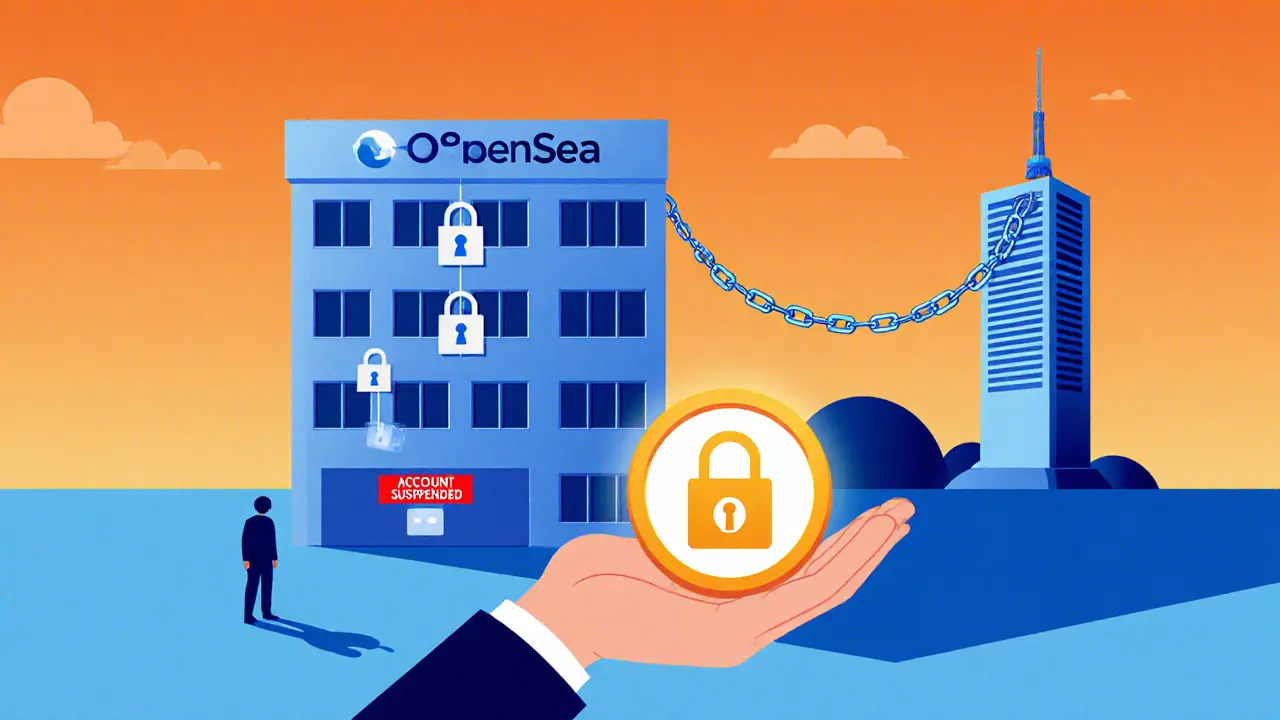
Centralized NFT marketplaces like OpenSea are easy to use but control your assets. Decentralized ones give you real ownership but are harder to navigate. Here's what you need to know before buying your next NFT.
NFT Trading: How It Works, Where to Do It, and What Really Matters in 2025
When you trade NFTs, non-fungible tokens that represent unique digital assets on a blockchain. Also known as digital collectibles, they're not just JPEGs—they're ownership records that can unlock access, rewards, or even real-world benefits. Most people think NFT trading means buying a cool monkey picture and hoping it goes up. But in 2025, the real players care about NFT marketplace fees, the hidden costs of buying, selling, and creating NFTs across platforms, NFT utility, what the token actually lets you do beyond display, and whether the project has staying power—or is just a ghost town.
Look at the posts here. You’ll see real examples: GEMS NFT airdrops that give you in-game gear, PlaceWar’s NFT tanks that let you fight in a live blockchain game, and PLAYA3ULL tokens tied to Web3 gaming ecosystems. These aren’t just profile pics—they’re functional keys. Meanwhile, others like TopGoal’s stalled NFT events or fake billboard airdrops show how easily scams hide behind buzzwords. The difference? One gives you something you can use. The other vanishes when the hype dies. NFT airdrop, a free distribution of NFTs to encourage participation is often the entry point, but it’s not the finish line. Many airdrops are just marketing bait—no community, no roadmap, no future. Real ones? They come with clear rules, active teams, and actual in-app use.
And the fees? They’re brutal. On some platforms, you pay 2.5% just to list, then gas fees on top, then royalties to the original creator—sometimes another 10%. If you’re buying and selling often, you’re eating into your profits before you even make a trade. That’s why smart traders stick to platforms with transparent pricing, like those built on Polygon or Arbitrum, where costs stay low. And forget the idea that every NFT needs to be a piece of art. The ones with real value now are tied to games, memberships, tickets, or even real-world perks. If you can’t use it, it’s just a digital sticker.
What’s left in 2025? Not the flashy drops from two years ago. Not the bots flipping bored apes. But the quiet builders—projects that let you earn, play, or own something real. The posts below show you exactly what’s working: which NFTs still have trading volume, which marketplaces actually treat users fairly, which airdrops were scams, and which ones gave people tools they still use today. You won’t find fluff here. Just the facts on what NFT trading looks like when the noise fades.