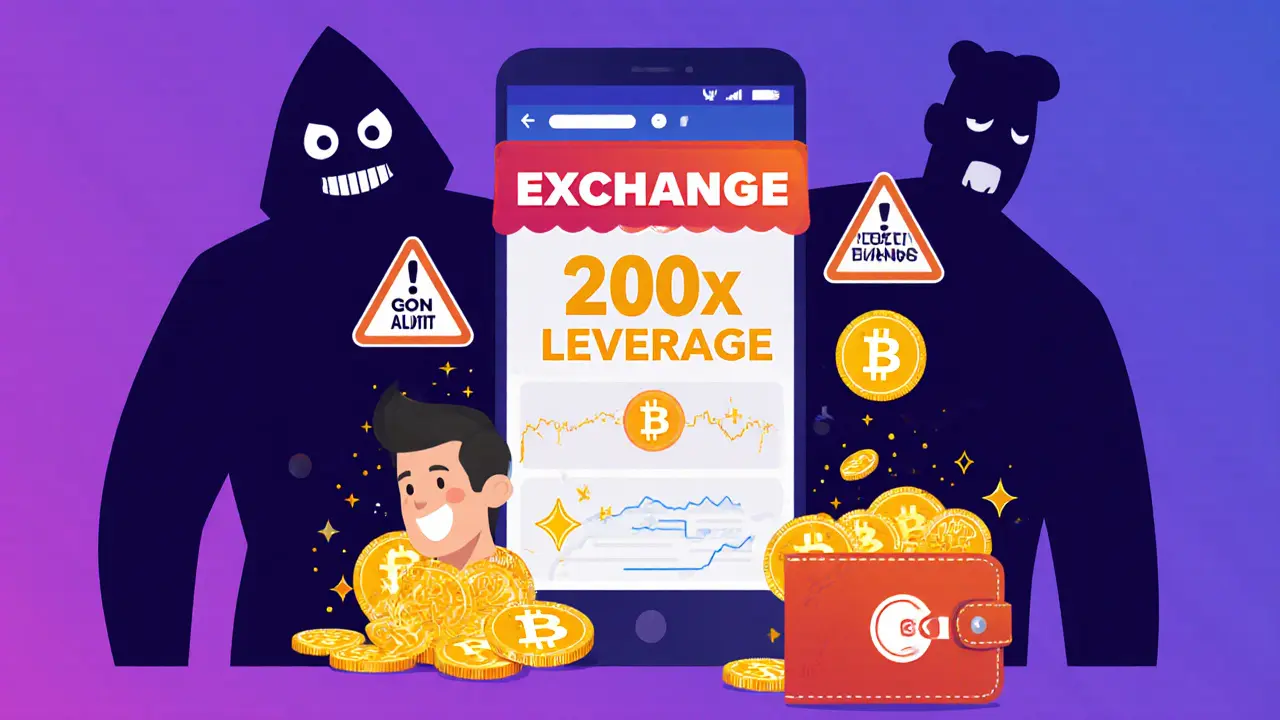
Ourbit crypto exchange looks appealing with high leverage and bonuses, but regulatory warnings, a 25% security score, and predatory terms make it dangerous. Avoid it - your funds are at serious risk.
Ourbit Security: What You Need to Know About This Crypto Exchange
When you hear Ourbit security, a crypto exchange platform that claims to offer fast trades and low fees with strong protection measures. Also known as Ourbit exchange, it’s one of many platforms trying to win trust in a space full of scams. But here’s the real question: does it actually keep your money safe? Most users don’t care about marketing buzzwords—they want to know if their seed phrase will stay private, if withdrawals work, and if the site gets hacked like so many others.
Security isn’t just about two-factor authentication or a fancy logo. It’s about whether the exchange stores user funds in cold wallets, if it’s ever been breached, and if customer support responds when things go wrong. Crypto exchange security, the set of practices and technologies used to protect digital assets on trading platforms includes things like KYC verification, withdrawal limits, and real-time fraud monitoring. Platforms like Coincall and Bitpin have built reputations by being transparent about these systems. Ourbit? There’s little public audit data, no third-party penetration test results, and almost no independent reviews from long-term users.
That’s why so many of the posts below focus on crypto scams, fraudulent schemes designed to trick users into giving up access to their wallets or personal data. Fake exchange sites like Coinrate and 3xcalibur use names that sound real to lure people in. Ourbit could be legitimate—but without clear proof, it’s too risky to treat as anything other than a potential trap. If you’re considering using it, check if your coins can be withdrawn without delays, if the website URL is correct (not a copycat domain), and if support replies within 24 hours. Most real exchanges do. Scams don’t.
And don’t forget wallet protection, the habits and tools you use to keep your private keys and recovery phrases secure. No exchange is 100% safe. Even the best ones can be hacked. That’s why smart traders move funds to personal wallets after trading. The posts here show how phishing sites mimic real platforms, how fake airdrops trick users into signing malicious transactions, and how AI-powered scams are getting harder to spot. If you’re new to crypto, these aren’t theoretical risks—they’re daily threats.
Below, you’ll find real stories from people who got caught in exchange scams, guides on how to verify if a platform is safe, and breakdowns of security features that actually matter. No fluff. No hype. Just what you need to know before you deposit another dollar.