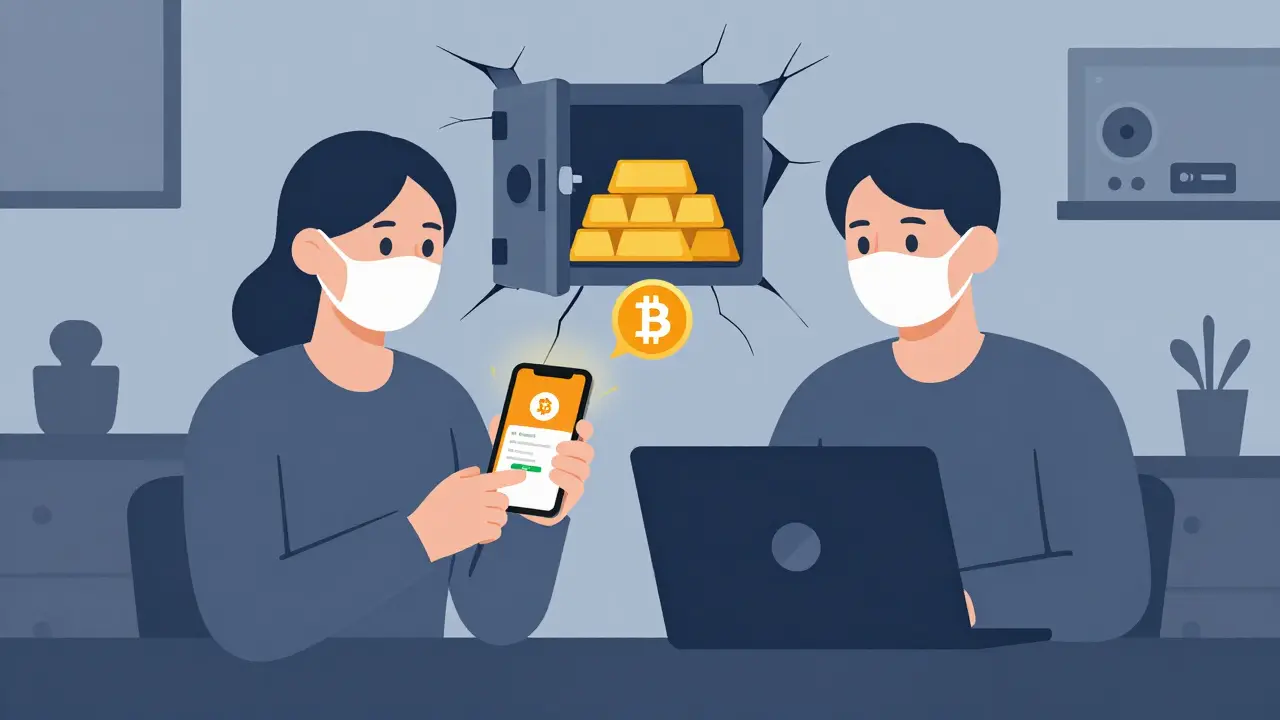
Despite China's 2021 crypto ban, peer-to-peer trading continues through VPNs, USDT, and encrypted apps. Learn how traders avoid detection, the risks involved, and why it's still thriving in 2025.
Peer-to-Peer Cryptocurrency: How Direct Crypto Trading Works and Why It Matters
When you trade peer-to-peer cryptocurrency, a system where buyers and sellers exchange digital assets directly without banks or centralized exchanges. Also known as P2P crypto, it’s the backbone of decentralized finance for people who want control over their money. Unlike traditional exchanges that hold your funds and set the rules, P2P crypto lets you match up with someone nearby or across the world and trade Bitcoin, Ethereum, or other coins using cash, bank transfers, or even gift cards. No middleman. No account freeze. No KYC unless you want it.
This model relies on decentralized crypto trading platforms, software that connects users securely and holds funds in escrow until both sides fulfill their part. Think of it like eBay for crypto—except instead of selling a phone, you’re selling Bitcoin, and instead of PayPal, the platform locks the coins until you confirm the payment landed in your bank. These platforms use smart contracts or escrow agents to reduce fraud, but they still depend on you to verify the other person’s identity and payment. That’s why crypto security, the practice of protecting your wallet, seed phrase, and transactions from scams is non-negotiable. A single mistake—like sending money before the crypto is released—can cost you everything.
Why does this matter now? Because in countries like Nigeria, Vietnam, and Argentina, where banks restrict access or inflation eats away savings, P2P crypto isn’t optional—it’s essential. Even in the U.S., traders use it to avoid high fees on big exchanges or to buy crypto with cash anonymously. But it’s not risk-free. Scammers pose as buyers, fake payment screenshots, and disappear. Some platforms, like crypto exchange alternatives, services that bypass traditional exchanges by enabling direct user-to-user trades, have weak moderation. That’s why you’ll find posts here covering real cases: how someone lost $12,000 on a fake P2P deal, why Bitskrix and BitbabyExchange are scams pretending to be P2P, and how to spot a fake escrow system.
What you’ll find below isn’t theory. It’s real-world stories from people who’ve used P2P crypto to survive, save, or profit—and others who got burned. You’ll see how Thailand’s new rules affect P2P traders, why China’s ban pushed users into direct trades, and how Algeria’s criminalization of crypto made P2P the only option left. You’ll also learn how to use multisig wallets to protect your trades, why liquidity pools don’t apply here, and how to avoid phishing scams targeting P2P users. This isn’t about hype. It’s about survival in a system where the rules aren’t written by corporations, but by the people who use it.