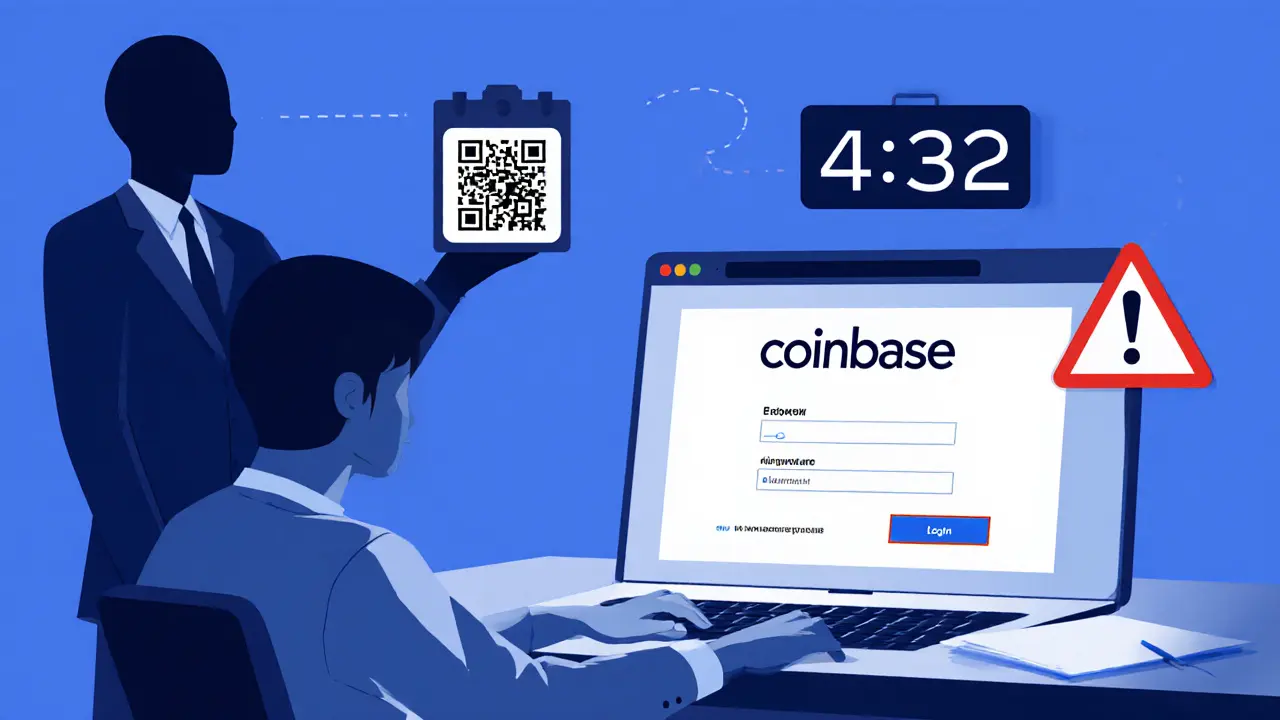
Learn how to spot crypto phishing scams in 2025 with real-world tactics, red flags, and a step-by-step verification checklist. Protect your seed phrase and digital assets from AI-powered scams.
Phishing Detection: How to Spot Crypto Scams Before You Lose Your Wallet
When you're new to crypto, phishing detection, the ability to recognize fake websites, messages, and airdrops designed to steal your crypto. Also known as crypto scam recognition, it's not optional—it's the first line of defense for your wallet. Every year, thousands of people lose thousands of dollars because they clicked a link that looked real. It’s not because they’re dumb. It’s because the scams are getting smarter—and they’re copying real platforms perfectly.
You’ve probably seen them: a Twitter post saying "Claim your free $3ULL tokens!" with a link. Or an email from "CoinMarketCap Support" asking you to verify your wallet. Or a billboard in Times Square advertising a crypto airdrop. fake airdrops, fraudulent token distributions that trick users into connecting their wallets to malicious sites. These aren’t just annoying—they’re designed to drain your funds the moment you sign anything. And they’re everywhere. Posts about the Sonar Holiday airdrop? Fake. Position Exchange billboard? Fake. TRO airdrop? Doesn’t exist. These aren’t rumors—they’re confirmed scams, and they’re all built to exploit the same weakness: trust in familiar names.
Good wallet security, the practice of protecting your crypto assets from unauthorized access through vigilance and tools. isn’t about using fancy hardware. It’s about asking one question before you click: "Why is this free?" Real airdrops don’t ask you to connect your wallet to claim tokens. Real exchanges don’t email you. Real projects don’t use billboards to distribute crypto. The moment you’re asked to sign a transaction for something "free," you’re already in danger. crypto phishing, a type of social engineering attack that tricks users into revealing private keys or signing malicious transactions. works because it feels real. It uses logos, colors, and language copied from CoinMarketCap, Binance, or Solana. But real platforms don’t need your private key to give you free tokens.
Phishing detection isn’t magic. It’s pattern recognition. If a site looks too clean, too fast, or too good to be true, it is. If a token has zero trading volume and a hype-driven name like "BOYS" or "BUILT," it’s likely dead—or a trap. If a project claims to be on CoinMarketCap but you can’t find it on the official site, it’s fake. These aren’t guesses—they’re facts backed by dozens of failed projects and scam alerts in 2025.
Below, you’ll find real cases of scams that fooled people, how they worked, and what you should’ve done differently. No fluff. No theory. Just what you need to spot the next one before it steals your crypto.