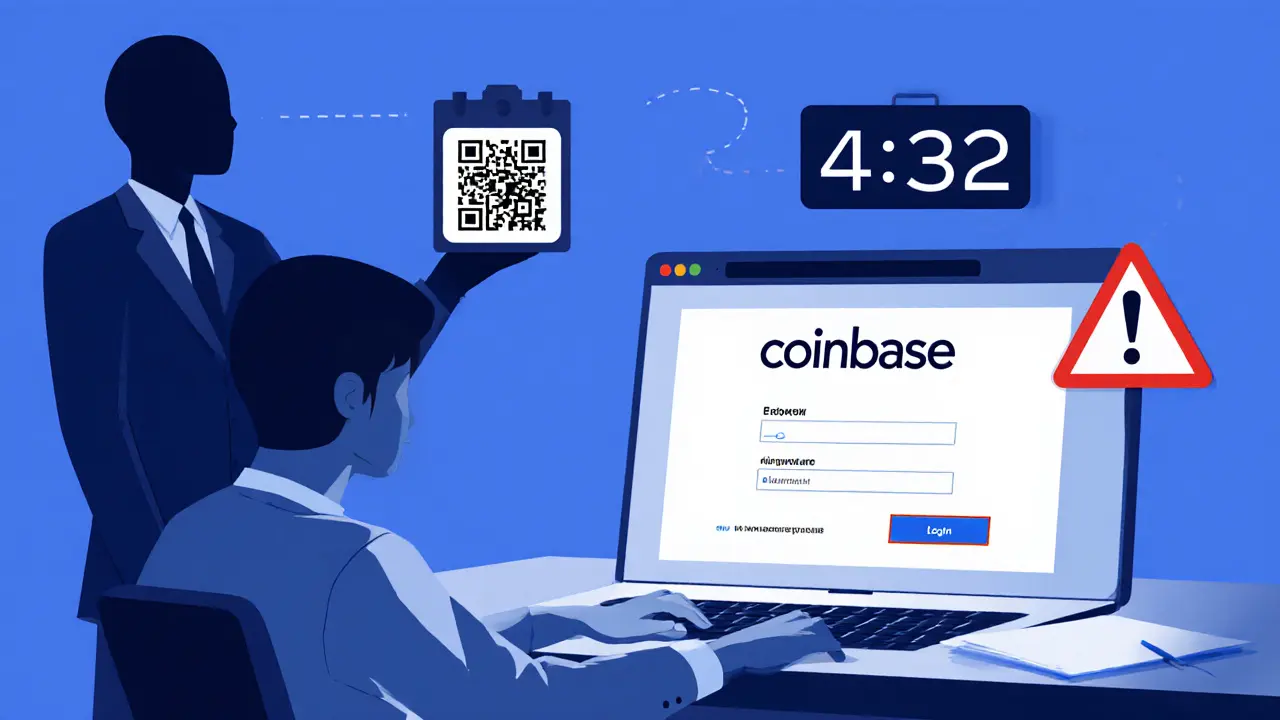
Learn how to spot crypto phishing scams in 2025 with real-world tactics, red flags, and a step-by-step verification checklist. Protect your seed phrase and digital assets from AI-powered scams.
Seed Phrase Safety: Protect Your Crypto from Theft and Scams
When you set up a crypto wallet, you’re given a seed phrase, a list of 12 to 24 words that acts as the master key to all your crypto assets. Also known as a recovery phrase, it’s the only way to restore your wallet if you lose your device or forget your password. If someone gets this phrase, they can drain your entire balance—no password, no two-factor authentication, no going back. There’s no customer support to call. No reset button. No refund. Once your seed phrase is stolen, your crypto is gone forever.
Most people treat their seed phrase like a password they can remember or jot down on a sticky note. That’s how scams succeed. In 2024, over 40% of crypto thefts came from users who stored their seed phrases in digital files, cloud backups, or screenshots. One guy saved his 12-word phrase in a Notes app on his iPhone and lost $87,000 when his phone got hacked. Another printed theirs and left it on their desk—someone walked into their house and stole it. These aren’t rare cases. They’re routine.
Your private key, the cryptographic code behind your wallet, is what actually controls your funds—but your seed phrase is the human-readable version of it. That’s why every wallet, from MetaMask to Ledger, asks you to write it down first. No wallet can recover it for you. No exchange can help. The only thing that matters is how you store it. Physical backup on metal, locked in a safe, never digital. Never shared. Never typed into a website. Even a photo of it on your phone is a risk.
Real crypto security isn’t about fancy apps or new tokens. It’s about treating your seed phrase like the last copy of a will or a bank vault key. You don’t post it online. You don’t email it. You don’t ask for help typing it in. And you don’t trust anyone who asks for it—even if they claim to be from support. The biggest scams in crypto today aren’t fake exchanges or rigged airdrops. They’re the ones that trick you into revealing your seed phrase under the guise of "helping you claim free tokens" or "fixing your wallet." The moment you type those words into a website, you’ve already lost.
What you’ll find below isn’t theory. It’s real stories—like the FEAR token airdrop that vanished, the fake Times Square billboard scam, or the Sonar Holiday airdrop that never existed. These aren’t just about fake giveaways. They’re about how scammers target people who don’t understand seed phrase safety. You’ll also see how projects like Archethic tried to replace seed phrases with fingerprint auth, and why even that still needs backup. Whether you’re holding $10 or $100,000, your safety starts with one thing: how you treat those 12 words.