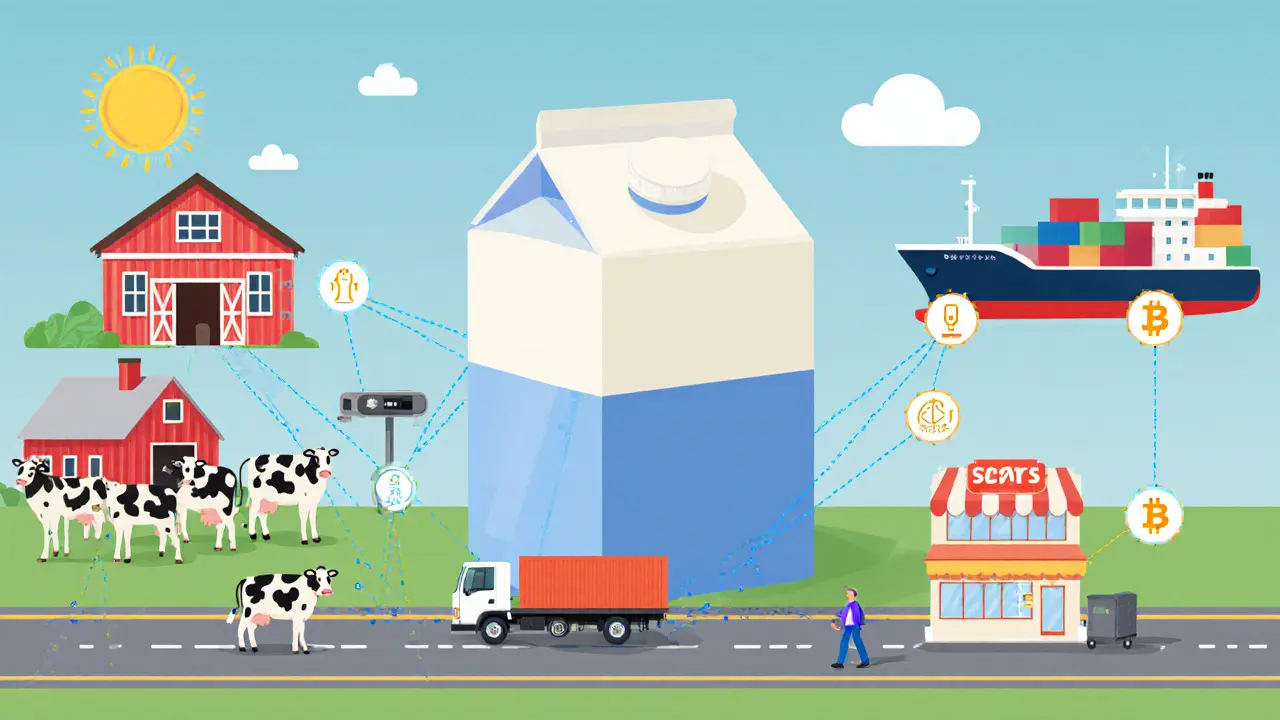
Blockchain tracks every step of a product’s journey-from raw materials to your hands-with tamper-proof records, real-time sensors, and smart contracts. It cuts fraud, speeds traceability, and builds consumer trust.
Supply Chain Transparency in Crypto: How Blockchain Tracks Real-World Assets
When we talk about supply chain transparency, the ability to track every step of a product’s journey from origin to consumer using verifiable digital records. Also known as blockchain traceability, it means you can see exactly where something came from, who handled it, and when—without trusting a single company’s word. In crypto, this isn’t just theory. It’s being built into real systems that turn physical goods like coffee beans, gold bars, and factory machines into digital tokens on the blockchain.
That’s where RWA tokenization, the process of converting real-world assets into blockchain-based tokens that represent ownership or rights. Also known as real world asset tokenization, it lets you break down a $10 million building into 10,000 digital shares, each traceable and tradeable. And when those tokens are linked to physical inventory, logistics data, or shipping records, you get true supply chain transparency. No more fake certificates. No more hidden middlemen. Every movement is recorded on a public ledger that anyone can verify.
This isn’t just about luxury goods or high-value commodities. It’s about food safety, ethical mining, and fair labor. If a company claims its diamonds are conflict-free, blockchain lets you check the mining location, transport logs, and certification timestamps. If a factory says it uses recycled materials, you can see the source receipts on-chain. Projects like Securitize, a platform that issues and manages tokenized securities and real-world assets and MANTRA Chain, a blockchain built specifically for compliant asset tokenization and enterprise use are already doing this—proving that crypto isn’t just about speculation. It’s about building trust where it’s been broken for decades.
What you’ll find below are real examples of how crypto projects are applying this idea. Some are tokenizing physical assets. Others are exposing shady practices in old supply chains. A few are even trying to fix how airdrops are distributed by making eligibility verifiable on-chain. You won’t find fluff here—just clear cases where blockchain made the invisible visible. Whether you’re tracking a piece of jewelry, a shipment of electronics, or the origin of a token’s distribution, the tools are here. And they’re changing what trust looks like in the digital age.
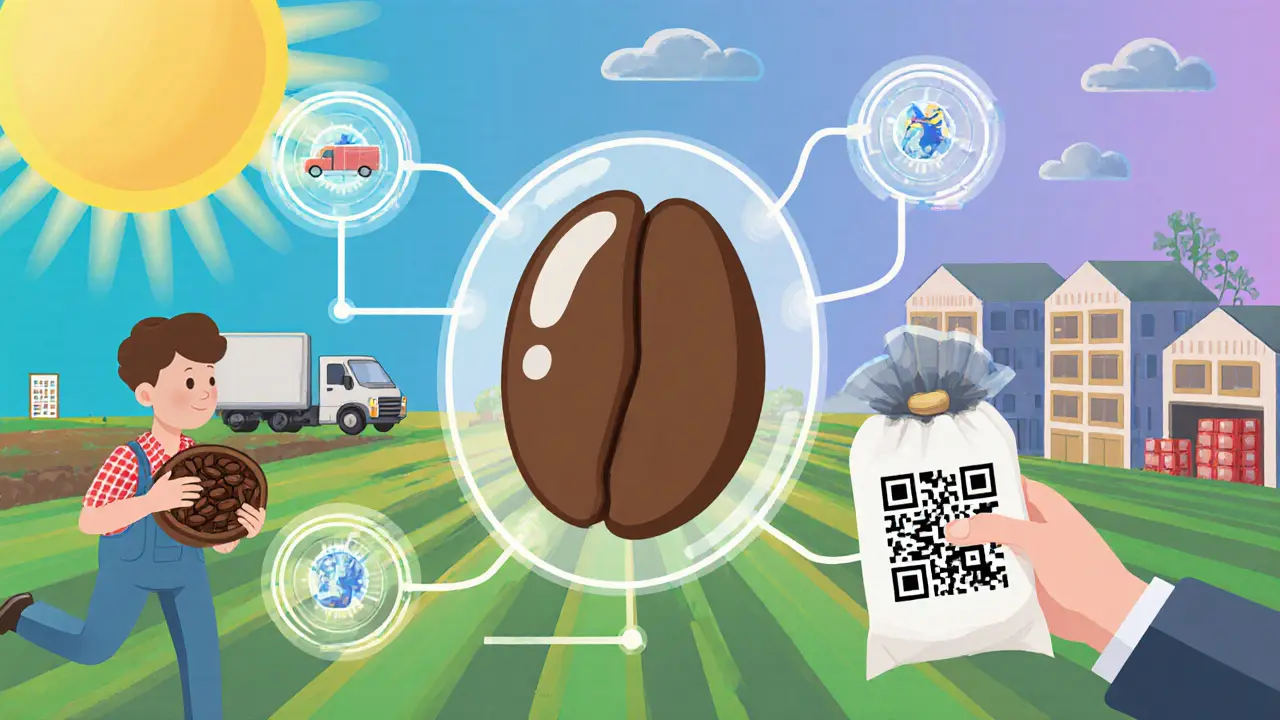
Blockchain for supply chain transparency creates tamper-proof records of every product movement, from raw materials to consumers. It cuts fraud, speeds up recalls, and builds trust with customers-no more guesswork.