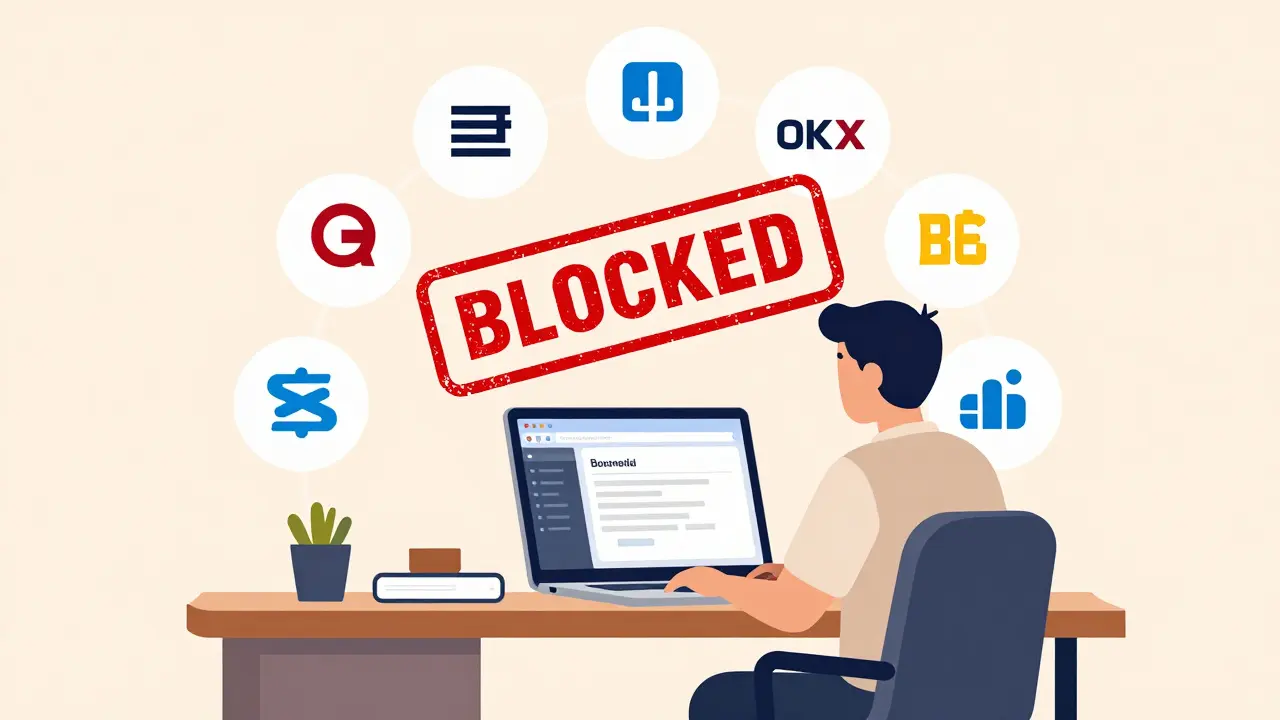
Thailand's SEC crypto regulations in 2025 require all exchanges serving Thai users to get licensed. Foreign platforms like Bybit and OKX have been blocked. Only nine exchanges are approved, with strict limits on coins, fees, and services.
Thailand SEC Crypto Regulations: What You Need to Know in 2025
When it comes to Thailand SEC crypto regulations, the official framework governing cryptocurrency trading, exchanges, and token offerings in Thailand under the Securities and Exchange Commission. Also known as Thai crypto law, it’s one of the most structured systems in Southeast Asia — not because it’s permissive, but because it’s strict. Unlike countries that ban crypto outright, Thailand lets you trade, invest, and even launch tokens — but only if you play by their rules.
The Thailand SEC, the government body that oversees financial markets, including digital assets. Also known as Securities and Exchange Commission of Thailand, it requires every crypto exchange operating locally to be licensed. That means Binance, Coinbase, and others can’t just show up and start selling — they need approval, KYC checks, and ongoing reporting. If they don’t? They’re blocked. And if you use an unlicensed platform? You’re not breaking the law by holding crypto, but you’re on your own if things go wrong. This isn’t just bureaucracy. It’s protection. The SEC also requires all token issuers to disclose their team, roadmap, and risks. No more anonymous projects with whitepapers written in Google Translate.
Then there’s crypto taxation in Thailand, how the government treats profits from trading, staking, and airdrops. Also known as Thai crypto tax rules, the SEC works with the Revenue Department to treat crypto as property. That means capital gains are taxed at your personal income rate — up to 35%. Staking rewards? Taxable when you sell. Airdrops? Taxable when you receive them. No loopholes. No offshore escapes. Even if you trade on Binance Global, if you’re a Thai resident, you owe taxes. And yes, they’re catching up. In 2024, the SEC started requiring exchanges to report user transaction data directly to tax authorities. If you didn’t report your 2023 trades, you’re already late.
What about DeFi? The SEC hasn’t fully cracked down yet, but they’re watching. Uniswap-style swaps? Technically unregulated. But if you’re earning yields from a token not approved by the SEC, you’re taking a legal risk. The same goes for NFTs — if they’re sold as investment contracts, they’re securities. And if they’re not? Still, you need to report the sale.
Thailand’s approach isn’t about stopping crypto. It’s about controlling it. The goal? To stop scams, protect investors, and bring the market into the financial mainstream. That’s why you’ll find so many Thai traders using P2P platforms or offshore exchanges — not because they want to break the law, but because they’re trying to avoid the paperwork, the taxes, and the oversight.
Below, you’ll find real stories from traders who’ve navigated these rules — some successfully, some painfully. You’ll see how others avoid fines, what exchanges still work legally in Thailand, and why some tokens vanish overnight when the SEC pulls the plug. This isn’t theory. It’s what’s happening right now — and what you need to know before you trade.