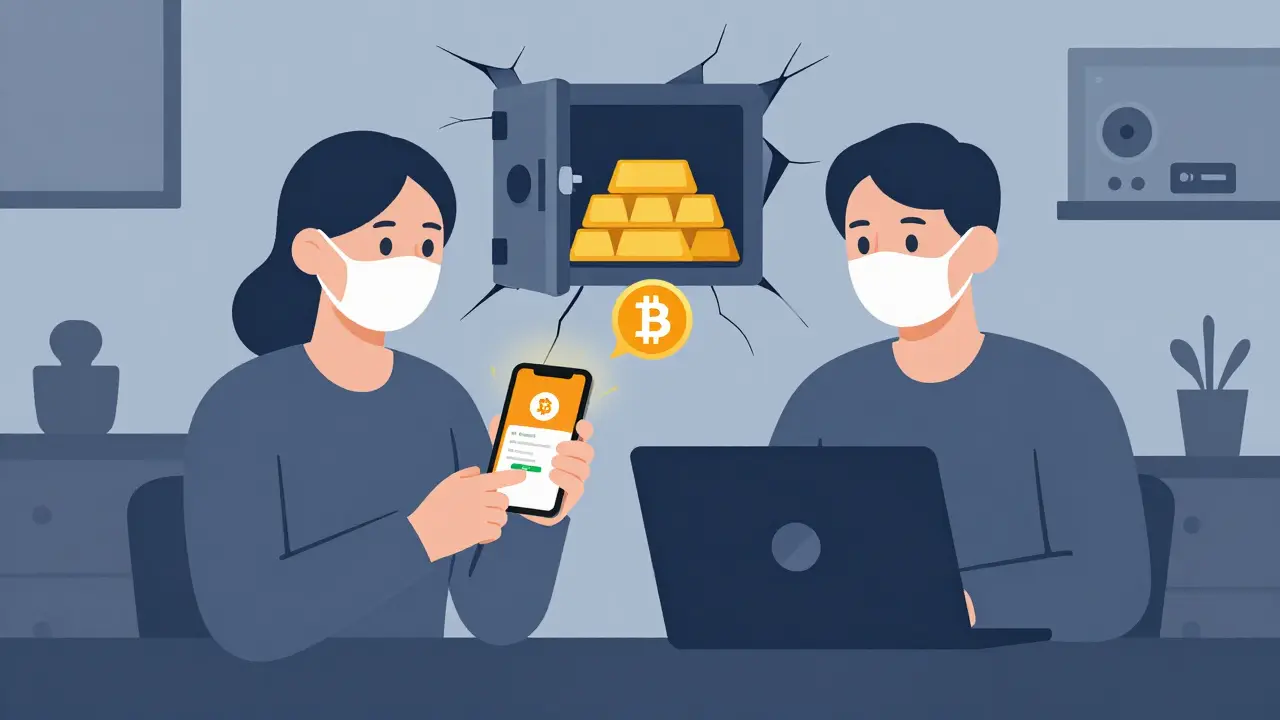
Despite China's 2021 crypto ban, peer-to-peer trading continues through VPNs, USDT, and encrypted apps. Learn how traders avoid detection, the risks involved, and why it's still thriving in 2025.
USDT China: What You Need to Know About Tether in China’s Crypto Ban
When it comes to USDT, a stablecoin pegged to the U.S. dollar and used globally as a bridge between fiat and crypto markets. Also known as Tether, it has become the most traded digital asset in China—even though trading crypto on local exchanges is illegal. Since 2017, China has shut down all domestic crypto exchanges, blocked access to platforms like Binance and Coinbase, and cracked down on peer-to-peer trading. But USDT didn’t disappear. It moved underground. People still buy, sell, and hold it through unofficial channels, peer-to-peer apps, and offshore wallets. Why? Because it’s the closest thing to cash in a system that bans cash-like digital money.
China’s government doesn’t outlaw holding crypto, but it makes trading nearly impossible. Banks freeze accounts linked to crypto activity. Payment apps like WeChat Pay and Alipay block transfers to crypto platforms. Yet, USDT remains the go-to workaround. Traders use it to store value, send money abroad, or enter DeFi markets without converting to yuan. It’s not legal, but it’s practical. And that’s why it survives. The same people using USDT are the ones avoiding capital controls, sending money to family overseas, or buying goods from international sellers who only accept crypto. USDT isn’t just a coin—it’s a financial bypass.
But using USDT in China isn’t risk-free. Authorities monitor digital footprints. Wallets tied to known P2P platforms get flagged. People have been fined or even jailed for large-scale transfers. And because USDT isn’t regulated, you’re on your own if a counterparty disappears or a wallet gets frozen. There’s no recourse. No customer support. No insurance. The same tools that help you avoid the ban—like decentralized wallets and encrypted messaging apps—also leave you exposed if something goes wrong.
What you’ll find below are real stories and breakdowns from people who’ve navigated this gray zone. From how USDT moves through hidden networks, to why Chinese traders prefer it over Bitcoin, to the scams that prey on those trying to stay compliant. These aren’t theoretical guides. They’re lessons from the front lines of China’s crypto underground.