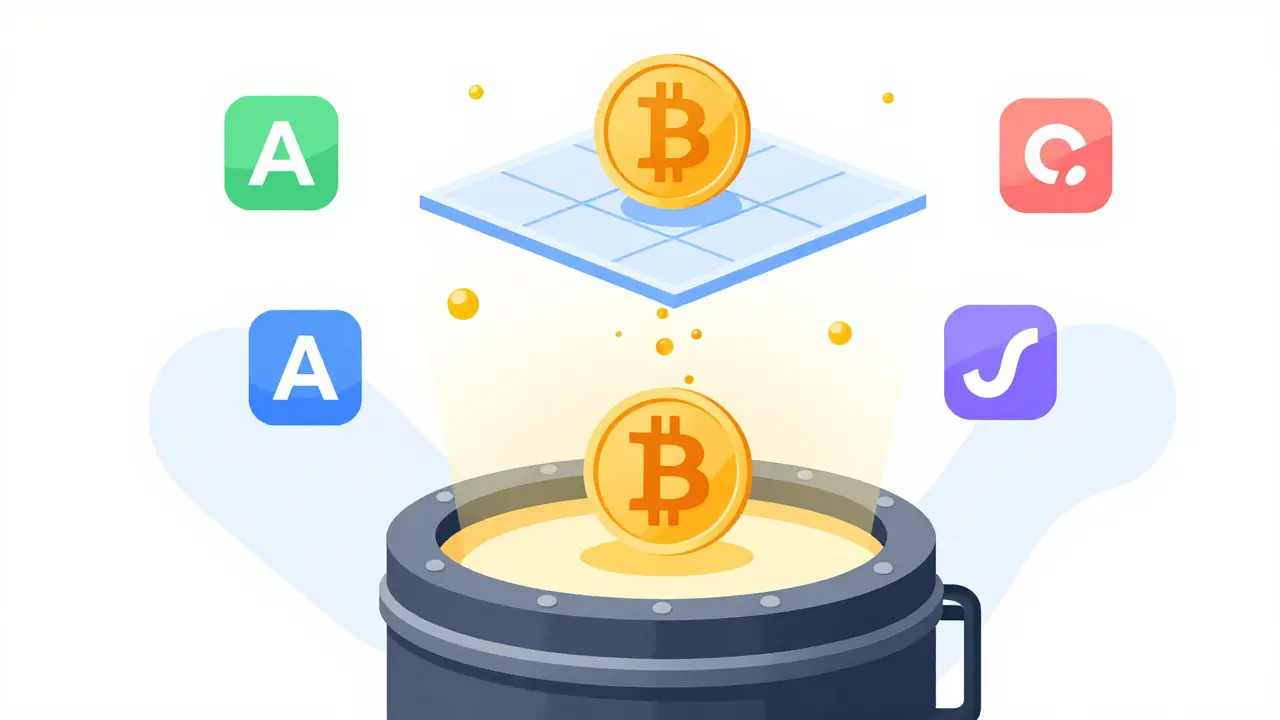
Wrapped tokens let Bitcoin and other cryptocurrencies interact with DeFi apps on different blockchains. Learn how WBTC, wLINK, and others unlock lending, yield farming, and cross-chain liquidity without selling your assets.
Blockchain Interoperability: How Different Chains Talk to Each Other
When you hear blockchain interoperability, the ability for separate blockchains to communicate and share data or assets without relying on third-party intermediaries. Also known as cross-chain communication, it’s what lets you move your Ethereum tokens to Solana without using a centralized exchange. Before this, each blockchain was its own island. You couldn’t send Bitcoin to a DeFi app on Avalanche. You couldn’t use your Polygon NFT in a game running on BSC. That changed when developers started building bridges, relays, and standardized protocols to connect these networks.
Today, cross-chain DeFi, DeFi protocols that operate across multiple blockchains to offer users more liquidity, lower fees, and better access is one of the biggest drivers of interoperability. Projects like Radiant Capital (RDNT), a lending protocol that lets you deposit on one chain and borrow on another without a bridge prove you don’t always need a bridge to move value. Then there are the actual bridges—tools like LayerZero, Wormhole, and Axelar—that lock tokens on one chain and mint equivalent tokens on another. But they’re not perfect. Many have been hacked. Some are slow. Others charge too much. That’s why newer systems are moving toward message-passing standards and shared security models instead of just token wrappers.
Interoperability isn’t just about moving coins. It’s about letting smart contracts on one chain trigger actions on another. Imagine a GameFi token earned on Solana unlocking a rare item on Ethereum. Or an NFT from a BSC marketplace being used as collateral on a lending app on Polygon. That’s the future—and it’s already here in pieces. The posts below show you real examples: how blockchain interoperability powers projects like Radiant Capital, how failed airdrops reveal the risks of fragmented ecosystems, and why some chains are building native cross-chain features instead of relying on bridges. You’ll also see how scams exploit confusion between chains, and why knowing where your assets live matters more than ever.

Blockchains communicate through protocols like IBC and CCIP, enabling secure, direct transfers of assets and data between networks without centralized intermediaries. This interoperability unlocks new DeFi possibilities and improves user experience.
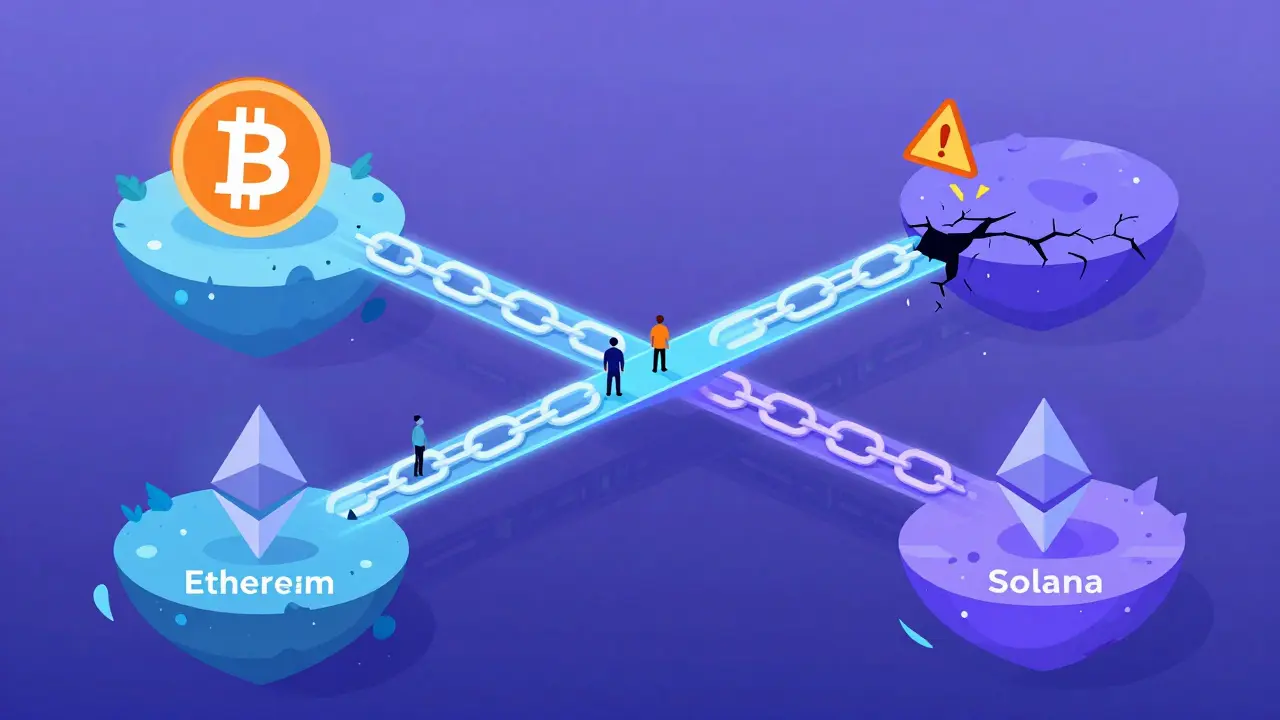
Cross-chain bridges connect isolated blockchains, letting you move assets like Bitcoin to Ethereum for DeFi. But with $2.1 billion stolen in 2022, security is critical. Learn how they work, which ones are safest, and what’s next.