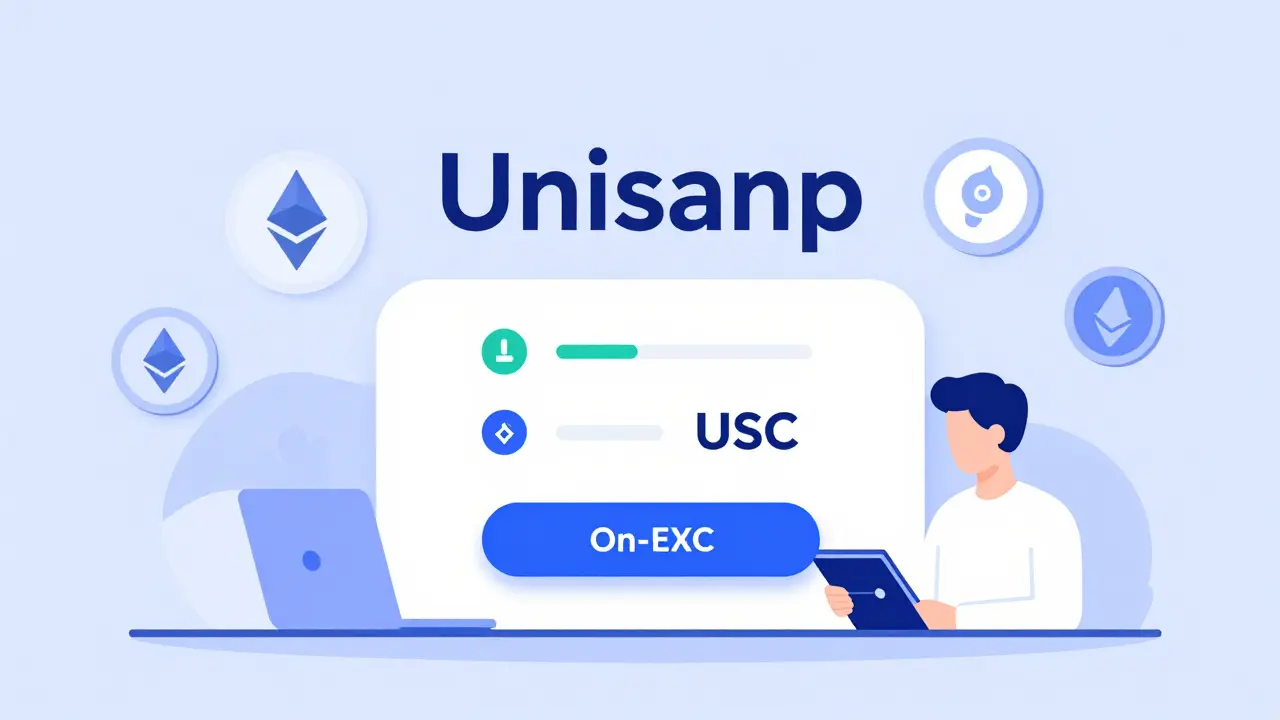
Uniswap and SushiSwap are two top decentralized exchanges. Uniswap offers simplicity and high liquidity, ideal for beginners. SushiSwap rewards users with tokens and supports more blockchains, perfect for experienced DeFi users.
Uniswap: The Leading Decentralized Exchange for Crypto Swaps
When you want to swap one crypto for another without signing up for a centralized exchange, you’re likely using Uniswap, a decentralized exchange built on Ethereum that lets anyone trade tokens directly from their wallet. Also known as a DEX, it runs on smart contracts—no company, no KYC, no account needed. Unlike traditional platforms like Binance or Coinbase, Uniswap doesn’t hold your money. You connect your wallet—MetaMask, Coinbase Wallet, or similar—and trade directly with a pool of liquidity. That’s it. No forms. No delays. No third parties.
What makes Uniswap special isn’t just how it works, but who uses it. Traders, liquidity providers, and even other DeFi apps rely on it every day. It’s the backbone for swapping tokens like rETH, Rocket Pool’s liquid staking token, or LON, Tokenlon’s governance token. It’s also where projects launch their tokens—often before hitting bigger exchanges. That’s why you’ll find it tied to nearly every major DeFi trend: yield farming, impermanent loss, automated market makers, and liquidity pools. And while it’s built on Ethereum, its influence reaches across chains through bridges and wrapped tokens.
Uniswap isn’t perfect. Gas fees on Ethereum can spike, and slippage can bite you on low-volume tokens. But it’s the most trusted DEX out there because it’s open-source, audited, and has been running since 2018 without a major exploit. It’s not a scam. It’s not a hype. It’s infrastructure—like the internet for crypto trading. That’s why posts here cover everything from how to add liquidity on Uniswap to why traders still use it even when alternatives like SpookySwap or GMX offer lower fees on other chains. You’ll find real stories: how people swapped USDT for ETH during China’s ban, how users avoided scams while trading tokens like WAG or BOO, and why some liquidity providers lost money—and how others made it.
Below, you’ll find no fluff. Just clear, real-world breakdowns of how Uniswap fits into the bigger picture of crypto trading, DeFi, and security. Whether you’re trying to swap your first token or managing a liquidity pool, these posts cut through the noise and show you exactly what’s working in 2025.
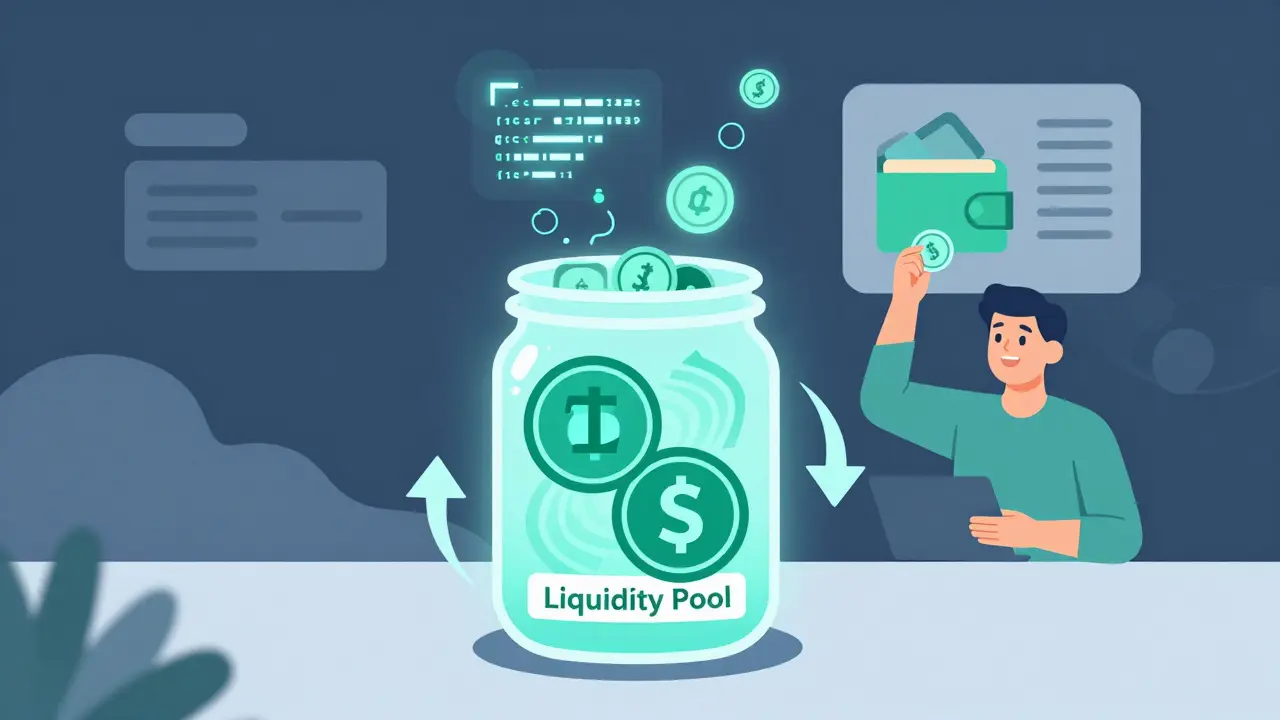
Liquidity pools are the backbone of DeFi, enabling instant crypto trading without intermediaries. Learn how they work, the risks like impermanent loss, and how to safely earn fees by providing liquidity.