Uniswap and SushiSwap are two top decentralized exchanges. Uniswap offers simplicity and high liquidity, ideal for beginners. SushiSwap rewards users with tokens and supports more blockchains, perfect for experienced DeFi users.
DeFi Explained: How Decentralized Finance Is Changing Crypto
When you hear DeFi, short for decentralized finance, it means using blockchain technology to do banking tasks—like lending, borrowing, or trading—without banks or middlemen. Also known as decentralized finance, it runs on smart contracts that automatically enforce rules, so no one needs to trust a company to handle your money. This isn’t theory—it’s what people use daily on platforms like GMX, SpookySwap, and Rocket Pool to earn interest on their crypto or trade with leverage, all without handing over their ID.
DeFi doesn’t just replace banks; it rebuilds them from scratch. Smart contracts, self-executing code on blockchains like Ethereum and Arbitrum that run when conditions are met. Also known as blockchain protocols, they’re the engine behind every DeFi app. For example, rETH lets you stake Ethereum without locking up 32 ETH—just 0.01 ETH gets you a token that grows as you earn rewards. That’s liquid staking, a DeFi innovation that turns locked-up crypto into usable assets. Meanwhile, crypto exchanges, like GMX or SpookySwap, that operate without central control, letting users trade directly from their wallets. Also known as decentralized exchanges, they’re the storefronts of DeFi. Unlike Binance or Coinbase, you don’t deposit funds—you connect your wallet and trade peer-to-peer, with no one holding your keys.
But DeFi isn’t all smooth sailing. Many projects, like WAG or CYT, started with big promises and vanished. Others, like Bitskrix or BitbabyExchange, are outright scams pretending to be DeFi platforms. That’s why knowing the difference between real DeFi tools and fake ones matters. You’ll find guides here on how to spot safe platforms, understand liquid staking tokens like rETH, and avoid phishing traps that steal your seed phrase. You’ll also see how cross-chain bridges connect DeFi across networks—and why they’ve lost billions to hackers. This isn’t about chasing the next hype coin. It’s about understanding what’s actually working, who’s building it, and how to protect your money in a space where rules are written in code, not courts.
Below, you’ll find real reviews, deep dives, and scam alerts—all focused on what DeFi actually looks like in 2025. No fluff. Just what you need to trade, earn, and stay safe without a bank.
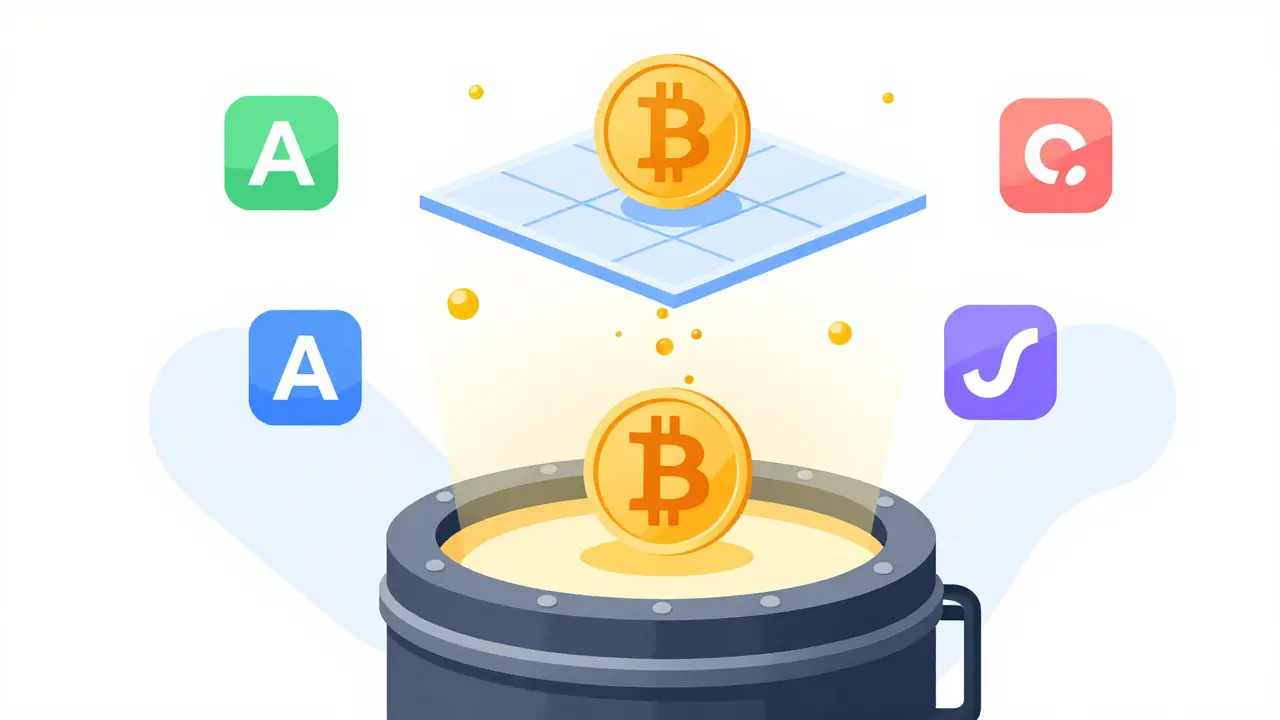
Wrapped tokens let Bitcoin and other cryptocurrencies interact with DeFi apps on different blockchains. Learn how WBTC, wLINK, and others unlock lending, yield farming, and cross-chain liquidity without selling your assets.
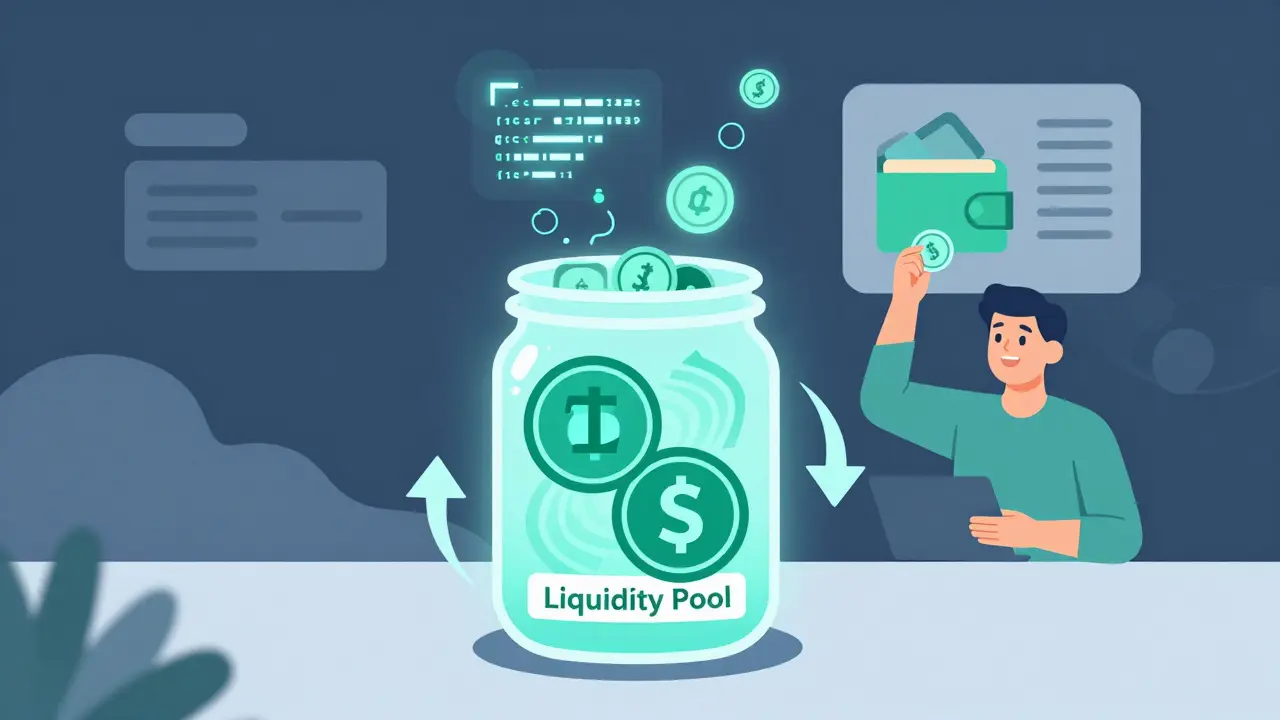
Liquidity pools are the backbone of DeFi, enabling instant crypto trading without intermediaries. Learn how they work, the risks like impermanent loss, and how to safely earn fees by providing liquidity.