Honest review of Mandala Exchange. We explore its Binance Cloud integration, ultra-low fees, and the catches for US users and beginners.
Crypto Exchange: How to Choose, Avoid Scams, and Trade Smarter
When you hear crypto exchange, a platform where you buy, sell, or trade digital currencies like Bitcoin and Ethereum. Also known as cryptocurrency trading platform, it’s the gateway to the entire blockchain economy. But not every site calling itself a crypto exchange is real—and many are designed to steal your money.
A real decentralized exchange, a platform that lets you trade directly from your wallet without a middleman like Serum DEX or Tokenlon works without needing your ID, while centralized ones like Coincall or Bitpin require KYC verification, the process of proving who you are to comply with financial laws. The difference isn’t just technical—it’s about control. On a decentralized exchange, you hold your keys. On a centralized one, they do. That’s why scams love fake exchanges like Coinrate or 3xcalibur—they pretend to be centralized platforms so you hand over your funds, then vanish.
And it’s not just about picking the right platform. The same people running fake exchanges also push fake airdrops—like the Position Exchange billboard or Sonar Holiday scam—using the same names and logos to trick you into giving away your seed phrase. You don’t need to be a tech expert to stay safe. Just remember: if it sounds too good to be true, it is. No billboard drops crypto. No free tokens require you to connect your wallet first. Real exchanges don’t beg you to join—they earn your trust with security, transparency, and clear rules.
Below, you’ll find real reviews of platforms that actually work, deep dives into how scams trick people, and clear breakdowns of what to look for before you trade. Whether you’re in Iran using Bitpin, chasing early DeFi tokens on Thruster v3, or just trying to avoid getting ripped off, this collection cuts through the noise. No fluff. No hype. Just what you need to trade without losing everything.
A detailed review of ThunderSwap crypto exchange reveals significant risks. Learn why this BSC DEX is non-tracked, lacks audits, and why safer alternatives like PancakeSwap are better for your funds in 2026.
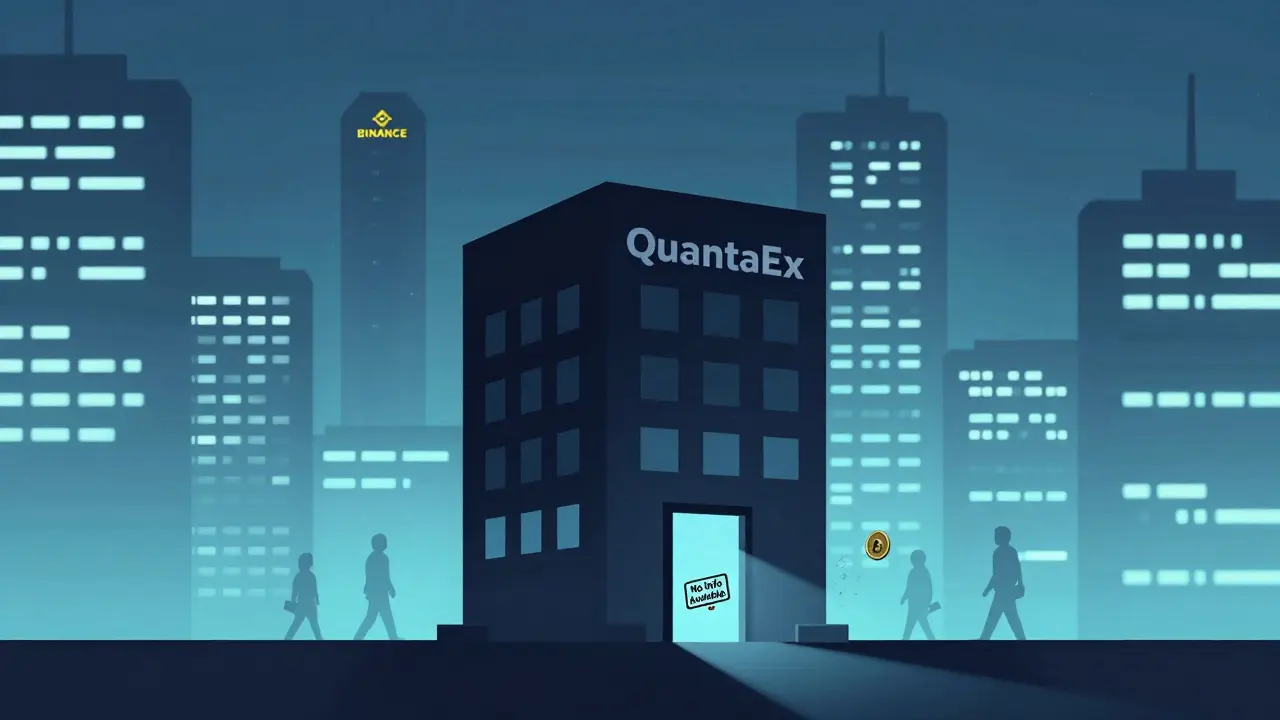
QuantaEx is a little-known centralized crypto exchange with almost no public information. In 2026, it lacks security details, trading features, and user support-making it risky for anyone holding more than a small amount of crypto.
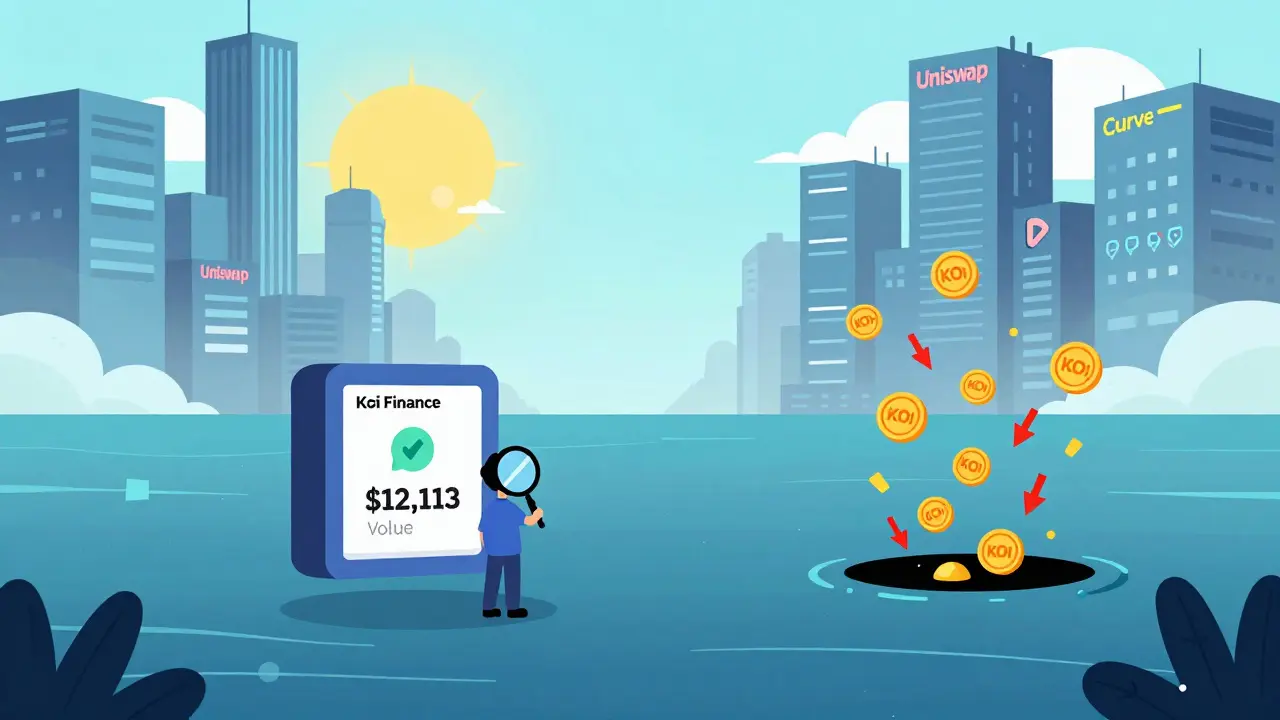
Koi Finance is a nearly invisible crypto exchange with minimal trading volume and a crashing token. Here's why it's not worth your time or money.
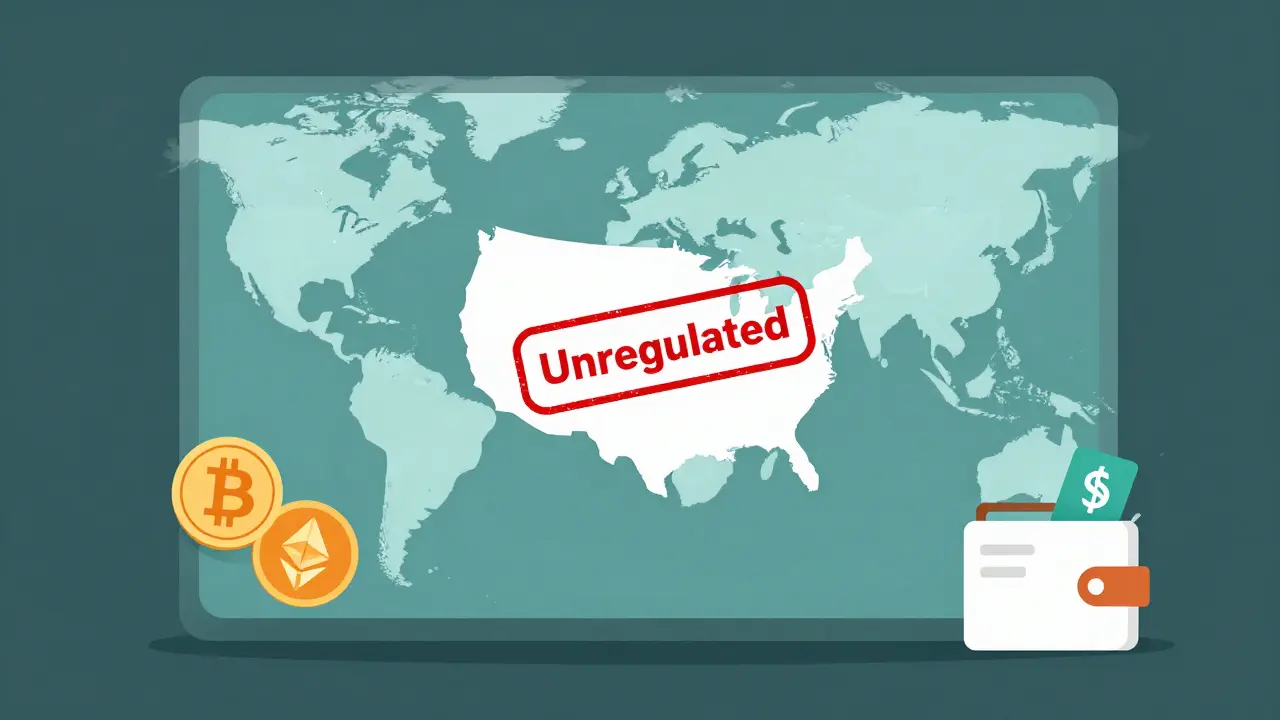
Hydax Exchange offers low fees and no withdrawal charges but operates without regulation. Learn if its 100+ coins and fast trading make it worth the risk - especially if you're outside the U.S.
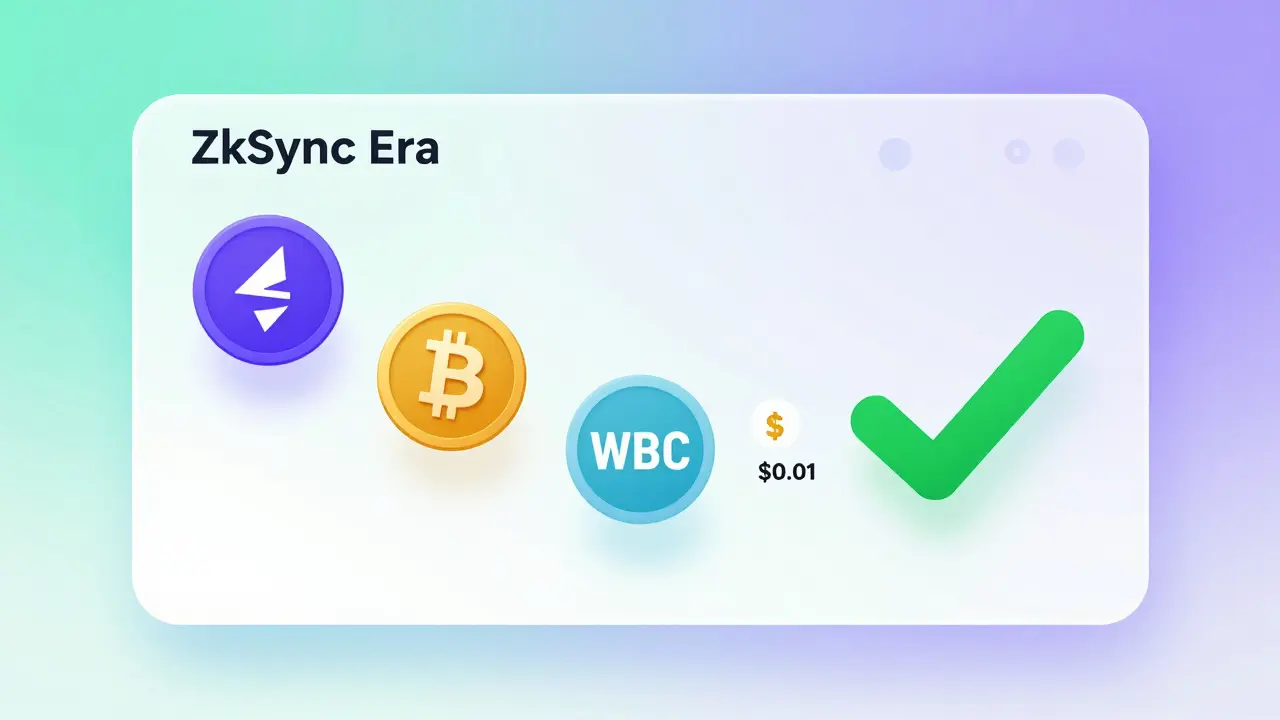
SyncSwap is the leading decentralized exchange on zkSync Era, offering near-zero gas fees, high liquidity, and multi-chain support. With over $63M TVL and $8B in volume, it's the top choice for crypto swaps on Ethereum Layer 2.
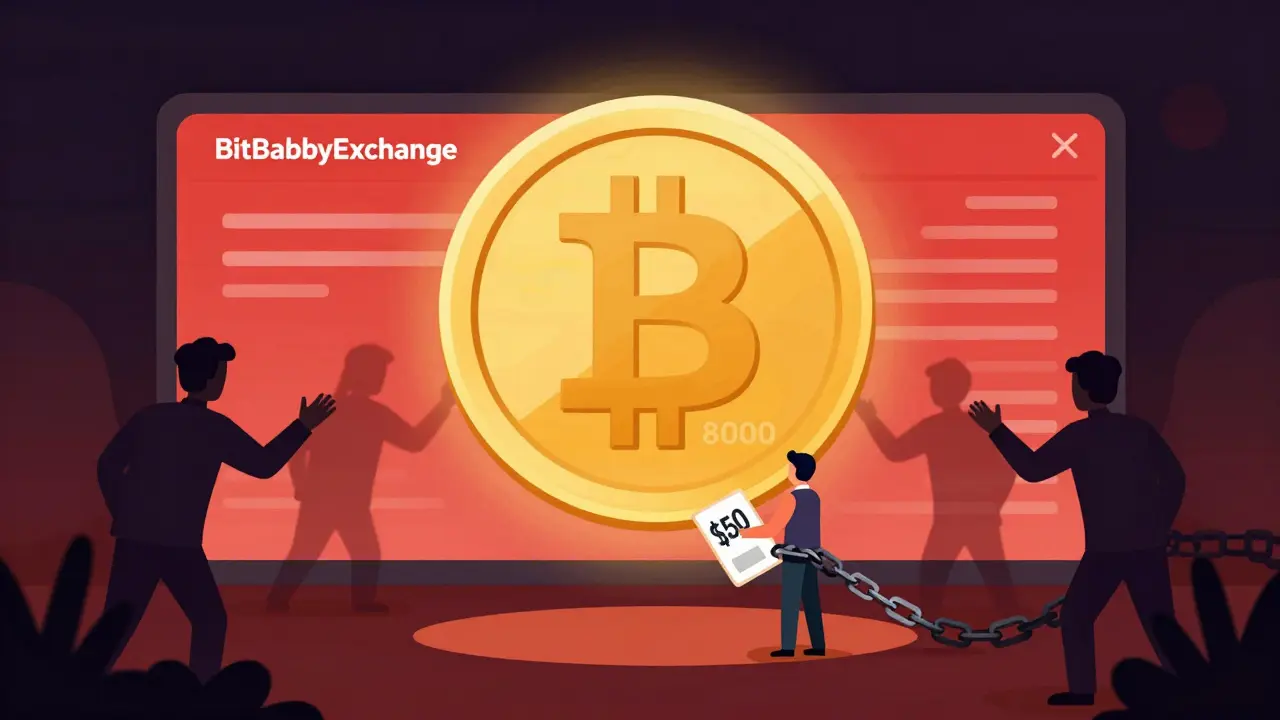
BitbabyExchange claims to be an AI-powered crypto exchange with huge bonuses-but it's listed as a scam by Crypto Legal. Learn why this platform is dangerous and what to use instead.
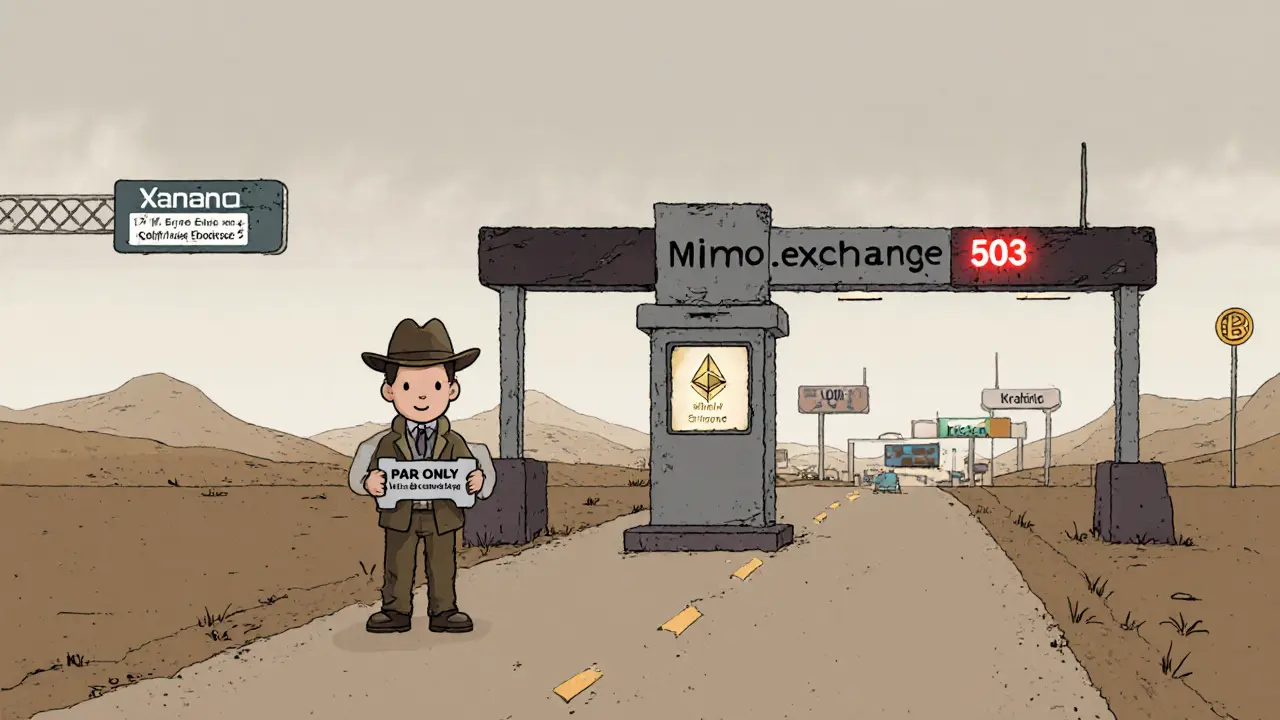
Mimo.exchange is a niche crypto exchange focused on Euro-pegged stablecoins, but it suffers from poor uptime, zero user reviews, no regulatory compliance, and minimal liquidity. Avoid unless you're a DeFi specialist with high risk tolerance.